




 Parenting Guide


 Child Health & Growth


 Learning & Skills Development


 Food & Nutrition


 Bournvita





Introduction
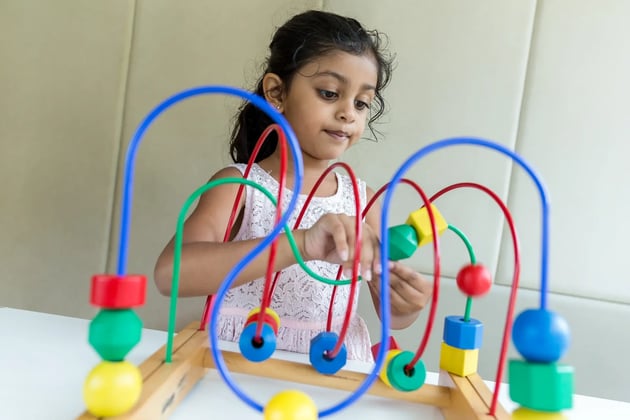
Winter often keeps kids indoors for longer hours, changing how learning happens at home. Shorter days, colder weather, and reduced outdoor play make it important to keep young minds active in simple and meaningful ways. This is where learning activities at home for kids play an important role during winter. These activities help kids stay curious, engaged, and mentally stimulated without relying heavily on screens.
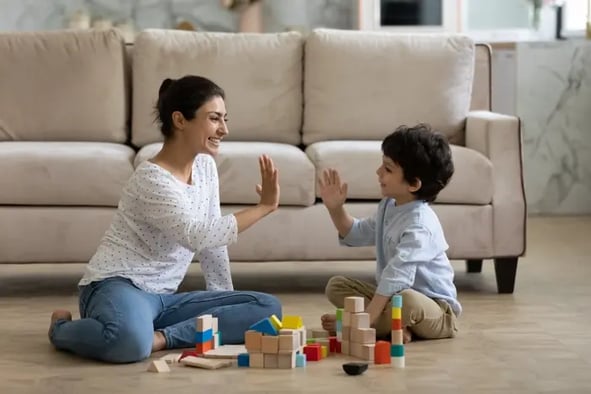
Indoor learning does not need to feel like schoolwork. Simple activities built around play, creativity, and daily routines can quietly support skill development. Reading aloud, hands-on tasks, problem-solving games, and creative challenges help kids strengthen thinking, communication, and focus. These activities also encourage independence and confidence, especially when kids feel safe exploring ideas at home.
Parents often notice that winter can affect attention levels and motivation. Learning activities at home help create structure without pressure. Even short daily sessions can support memory, language skills, and logical thinking. Activities that involve movement, storytelling, or building also support brain development and emotional balance.
Nutrition and learning work together during winter. Foods rich in iron support oxygen flow to the brain, while vitamin C helps the body absorb iron better. Warm meals and regular snacks help maintain steady energy levels, making it easier for kids to concentrate during activities.
Choosing simple learning activities at home for kids helps turn winter indoors into a season of growth. Small, consistent efforts can support skills that last well beyond the winter months, while keeping kids engaged, confident, and mentally active every day.
5 Winter Learning Without Screens: Building Skills Through Simple Home Activities

Winter often increases indoor time, making at-home learning activities for kids more important than ever. Short days and limited outdoor play can reduce natural stimulation, which is why thoughtful indoor activities help maintain curiosity and focus. Parents play a key role in shaping these moments by creating routines that balance learning and play. Screen-free learning supports attention span, imagination, and emotional balance. Activities that involve thinking, creating, speaking, and problem-solving help kids develop skills naturally without pressure.
Story Building With Picture Prompts
Story-building activities encourage language development, imagination, and logical thinking. Parents can use old magazines, newspapers, or printed images to create picture prompts. Kids are encouraged to describe what is happening, predict outcomes, or create their own endings. According to the Department of Education, Meghalaya, this activity improves vocabulary, sentence formation, and confidence in expression. Speaking stories aloud also strengthens listening and communication skills. Winter is an ideal time for such quiet, focused learning. Adding warm snacks like roasted chana or peanuts supports energy levels, as protein helps keep kids full and attentive. Story-building helps kids think creatively while reducing screen exposure in a natural and enjoyable way.
Everyday Math Through Household Tasks
Math skills grow best when connected to real situations. Parents can involve kids in simple household tasks such as measuring rice, counting fruits, or dividing snacks equally. These activities build number sense, estimation, and problem-solving skills without worksheets. Winter meals offer many chances to practice counting and measuring. According to research, foods rich in iron, like jaggery, help support brain oxygen flow, which supports focus and learning. Practical math activities are engaging and meaningful, helping students understand concepts better. This approach keeps learning stress-free while strengthening thinking skills during indoor winter days.
Creative Writing With Daily Journals
Daily journaling helps kids express feelings, improve writing, and build self-awareness. Parents can encourage kids to write a few lines about the day, winter weather, or a favourite activity. Drawing and labeling pictures also count as early writing. This habit improves spelling, sentence structure, and emotional clarity. According to a study published in Environ Health Perspect. 2008, writing during winter supports routine and calm focus. Including vitamin C-rich foods like oranges helps the body absorb iron better, supporting mental alertness. Journaling helps kids slow down, reflect, and build communication skills while staying away from screens.
Puzzle and Pattern Games
Puzzles and pattern games support logic, memory, and concentration. Parents can use jigsaw puzzles, matching cards, or homemade pattern games using buttons or grains. These activities help kids recognise shapes, sequences, and relationships. Winter afternoons are ideal for quiet learning. According to ICMR, healthy fats from foods like peanuts or seeds support brain development and sustained attention. Puzzle-based learning improves patience and problem-solving skills. It also provides a shared activity for parents and children, making learning enjoyable and collaborative on colder days indoors.
Hands-On Science With Simple Experiments
Simple science activities spark curiosity and critical thinking. Parents can guide children through safe experiments such as floating and sinking objects, melting ice, or observing plant growth. These activities teach observation, questioning, and cause-and-effect relationships. Winter makes indoor experiments more appealing and manageable. Warm foods like vegetable soups help maintain body warmth and steady energy, supporting focus. As per a study published in Children (Basel). 2025, hands-on science builds confidence and curiosity while reducing screen time. Kids learn best by doing, and these activities make winter learning active and engaging.
Conclusion

Winter learning does not need screens to be effective. Simple, thoughtful learning activities at home for kids help build skills, confidence, and curiosity during colder months. Parents play an important role by creating routines that combine learning, warmth, and care. Small daily activities support long-term growth while keeping kids engaged, balanced, and mentally active throughout winter.
Her love for storytelling began with reading her grandfather’s speeches, where Tarishi saw the power of words in creating lasting memories. Combining her passions for food and writing, she has turned her life into a fulfilling path of sharing stories that celebrate flavours and how food brings communities together.
The views expressed are that of the expert alone.
Popular Topics