
 Parenting Guide


 Child Health & Growth


 Learning & Skills Development


 Food & Nutrition


 Bournvita





Introduction
Snacking is a part of every child’s daily routine; it can be after school, during playtime, or while studying. The challenge for parents is to make snacks both tasty and healthy so that children get the fuel they need without falling into the trap of processed junk food. Healthy snacks can be fun, colorful, and exciting, and give a steady supply of energy, protein, and vitamins that support growth and activity.
You can turn simple ingredients into quick and wholesome snacks. Fruits, whole grains, lentils, nuts, and vegetables can all be combined in creative ways that appeal to children’s taste buds. From crunchy bites to soft and flavorful options, these snacks not only satisfy hunger but also introduce kids to healthier eating habits early on.
The best part of making snacks at home is the control over ingredients, less oil, balanced seasoning, and plenty of freshness. Whether it’s a quick energy boost before sports, something light to keep them focused during homework, or a small treat packed in a tiffin, healthy snacks can be designed to fit every moment of the day.
What Makes a Snack Healthy for Kids?
Healthy snack choices for children include mixing snacks that contain different kinds of nutrients, rather than using only one food item for snacks. The basic rule is to combine fruits or vegetables or whole grains along with protein sources like yogurt, cheese, nuts, or seeds. The portion size will depend on the child's age. If the child is a toddler, then he/she needs to eat soft foods that are not a choking hazard.
7 Wholesome And Healthy Treats That Kids Will Love
Snack cravings are natural for children, but what matters most is the kind of food that goes into those little breaks. Choosing wholesome snacks instead of packaged junk food ensures that kids get energy, growth-supporting nutrients, and habits that stay with them for life. The good news is that healthy snacks don’t need to be boring—they can be colorful, delicious, and fun enough to compete with fast food.
With a little creativity, common ingredients from your kitchen can be transformed into exciting dishes that keep kids happy while nourishing their bodies. These snacks combine proteins, healthy carbs, vitamins, and good fats in simple yet tasty forms, making them ideal for school tiffins, after-play hunger, or evening family time.
Vegetable Uttapam
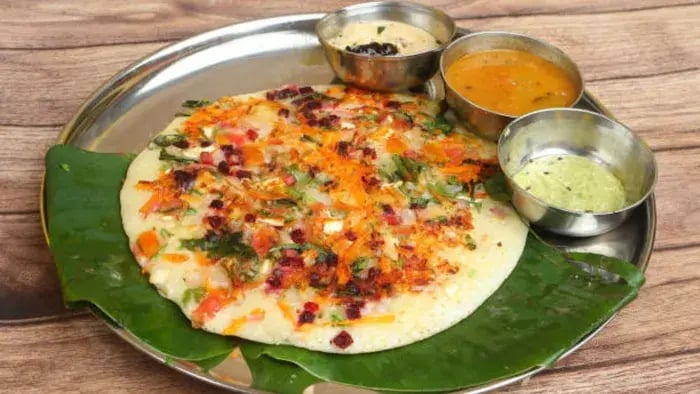
Using dosa batter topped with onions, carrots, tomatoes, or capsicum, uttapam makes a balanced snack. The bright toppings add crunch and variety while the fermented batter helps digestion. Served with chutney, it becomes a filling yet light snack that children enjoy without fuss.
Prep time: 15-20 minutes; serves well as a fresh preparation with a soft consistency for a packed lunch.
Storage: Store leftover food refrigerated in a tight container for up to one day.
Allergen: Contains fermented grain food products; check toppings for any allergens, including dairy.
Younger children choking modification: Avoid whole vegetables; cut them finely or grate for easier chewing
Substitution: Replace standard toppings with finely grated carrots, pumpkin, or chopped spinach.
Paneer Tikka Skewers
Marinated paneer cubes grilled or pan-seared with capsicum and onions turn into a protein-rich snack. Paneer helps in bone development, while vegetables add fiber and antioxidants. The skewers make it easy for kids to hold and eat, adding a playful touch to snack time.
Prep time: 20-25 minutes; can be easily packed in a lunch box, separate from chutney.
Storage: Refrigerate prepared paneer for up to one day and then warm it slightly.
Allergen: Contains milk; yogurt-based marinating ingredients also contain dairy.
Younger children choking modification: Remove skewers and cut paneer into small and soft pieces.
Substitution: Substitute paneer with firm tofu to have a dairy-free dish.
Poha Cutlets
Soaked poha mixed with boiled potatoes, peas, and spices can be shaped into cutlets and lightly pan-fried. This snack is crunchy on the outside yet soft inside, offering carbs for energy and fiber for digestion. Unlike deep-fried junk food, these cutlets are light and nutritious, making them a guilt-free favorite.
Prep time: 25-30 minutes; ready for packing in a lunch box after complete cooling.
Storage: Keep cutlets in the refrigerator for up to two days in a tight container.
Allergen: Check for wheat, gluten, and other allergens in breadcrumbs and packaged food.
Younger children choking modification: Prepare small, soft cutlets and avoid a hard or crispy crust.
Substitution: Replace breadcrumbs with crushed roasted makhana.
Corn and Peanut Chaat
Boiled corn kernels tossed with roasted peanuts, cucumber, tomatoes, and a dash of lemon make a tangy and filling snack. Corn provides carbohydrates, while peanuts add protein and healthy fats. The mix of textures and flavors makes it a refreshing option that keeps hunger at bay for long hours.
Prep time:10 minutes; better to prepare shortly before consumption for maximum freshness.
Storage: Keep leftover chaat in the refrigerator without any dressing for up to one day.
Allergen: Contains peanuts; avoid them in case of peanut allergy.
Younger children choking modification: Do not include whole peanuts in your chaat; use peanut butter instead.
Substitution: Replace peanuts with finely chopped roasted nuts if suitable.
Besan Chilla with Vegetables
Made with gram flour and chopped vegetables, besan chilla cooks quickly and tastes delicious. It is naturally rich in protein and iron, while the vegetables bring vitamins and minerals. Served with mint chutney, it becomes an attractive and wholesome dish that kids accept easily.
Prep time: 15-20 minutes; good for lunch boxes when prepared in small pieces.
Storage: Keep cooked chillas in the refrigerator for up to two days and warm them gently.
Allergen: Besan itself is gluten-free, but check any packaged food for cross-contact.
Younger children choking modification: Prepare thin and soft chillas and cut them into strips.
Substitution: Include grated vegetables instead of chopping them.
Makhana Masala Bites
Makhana, when dry roasted with a pinch of salt and mild spices, makes a crunchy snack perfect for small hunger pangs. These seeds are rich in calcium, protein, and antioxidants. Their popcorn-like texture appeals to kids, while parents can be assured they’re munching on something nourishing.
Prep time: 10-15 minutes; suitable for snack boxes after complete cooling.
Storage: Keep dry roasted makhana bits in a tight container.
Allergen: Check any seasoning mixes for the presence of dairy, nuts, and other allergens.
Younger children choking modification: Avoid hard whole makhana; roast and crush it.
Substitution: Replace makhana with roasted chickpeas.
Fruit and Yogurt Bowl
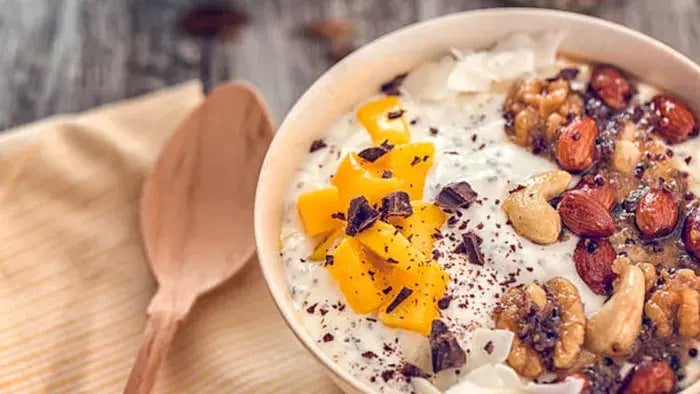
A mix of banana, apple, or papaya topped with a spoonful of yogurt becomes both refreshing and nutritious. Fruits add natural sweetness and vitamins, while yogurt gives calcium and probiotics for better digestion. For extra crunch, a sprinkle of oats or nuts can be added, making it a complete snack in itself.
Prep time: 5-10 minutes; best suited for home snacks.
Storage: Refrigerate prepared bowls for up to one day and consume immediately after preparation.
Allergen: Contains dairy; select any suitable substitute.
Younger children choking modification: Choose soft fruits, remove seeds from them, and cut all ingredients into small pieces.
Substitution: Substitute yogurt with milk.
Quick No-Cook Healthy Snacks
Healthy snack ideas for kids that can quickly and easily be put together on busy days:
Fruit & Yogurt: Banana, berry, or chopped apple with plain yogurt; dairy-free yogurt can be used in case of food allergies.
Hummus and soft veggie sticks: Hummus with cucumber, steamed carrot or avocado; bean dip instead of hummus in case of sesame allergies.
Whole-grain toast & nut butter: Smooth nut butter is used wherever possible; seed butter can be used in nut-free schools.
Cheese & fruit: Cubes of cheese with pear or banana slices; dairy-free cheese may be considered in some cases.
Oats & banana: Mix oats with banana and yogurt; plant yogurt with added nutrients for dairy-free diets.
How to Pack Snacks Safely for School
Snacks should always be packed in clean and sealed containers. Keep perishable items like yogurt and cheese cold using an ice pack. Always check the school's nut policy first before packing any nuts or nut butter. Cut the food according to the age of the child. Cut the grapes in lengthwise quarters. Do not pack any nuts or anything else that might cause choking in toddlers.
Conclusion
Healthy Snacks For Kids
Children don’t need to give up taste to eat healthy. With options like uttapam, paneer skewers, or even a fruit-yogurt bowl, snacks can be fun, vibrant, and packed with the right nutrition. By keeping ingredients fresh, flavors balanced, and presentation playful, you can turn snack time into a happy habit that supports both health and happiness. These simple choices prove that homemade snacks can truly beat junk food, one tasty bite at a time.
Frequently Asked Questions
What are the healthiest snacks for kids?

The healthiest snacks will have a combination of different food groups like fruit and yogurt, vegetables and hummus, or whole grains and protein/fats. Portion size should be according to the child’s age and needs.
Which snacks are suitable for a school lunchbox?
Examples include fruits, yogurt, easily transportable vegetables, homemade chilla, poha cutlets, and whole-grain sandwiches. These depend on the rules of the school concerning allergies and nuts.
How can parents make snacks filling?
It involves combining carbohydrates with either protein or healthy fat. Examples include fruit with yogurt, whole grain bread or toast with seed butter, or vegetables and hummus.
What are healthy alternatives to packaged chips?
These may include makhana chips, poha cutlets, roasted chickpeas for older children, and vegetable uttapam. Avoid anything crunchy and hard for toddlers since it is a choking hazard.
Deepali is a senior food and wellness writer with over a decade of experience in top media houses, crafting engaging narratives. She is a professional home baker and loves exploring food from every corner of the world to reading cookbooks. She believes a healthy lifestyle is a combination of both mental and physical fitness. Her goal always remains to keep moving, eating seasonal and practicing gratitude.
The views expressed are that of the expert alone.