



 Parenting Guide


 Child Health & Growth


 Learning & Skills Development


 Food & Nutrition


 Bournvita





Introduction
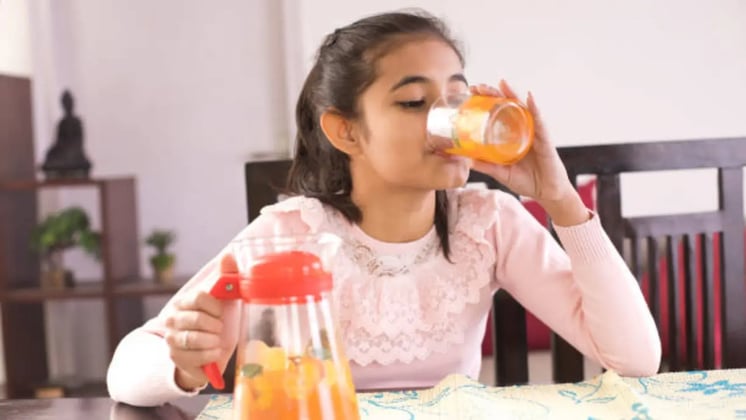
Homemade juices can be a colourful and refreshing addition to a child’s diet. Made with fresh fruits and vegetables, these drinks can provide fluids along with naturally occurring vitamins and minerals. From orange and carrot juice to watermelon and mint juice, there are plenty of kid-friendly combinations to try. The key is to serve juice in moderation, without added sugar, while continuing to prioritise whole fruits, water, and balanced meals.
What Are Homemade Juices for Kids?
Homemade juices for kids are drinks prepared at home using fresh fruits, vegetables, and occasionally herbs such as mint or basil. They can be made by blending or juicing ingredients without adding refined sugar. When served in suitable portions, homemade juice can offer variety, flavour, and nutrients alongside a balanced diet.
7 Healthy Homemade Juice Recipes for Kids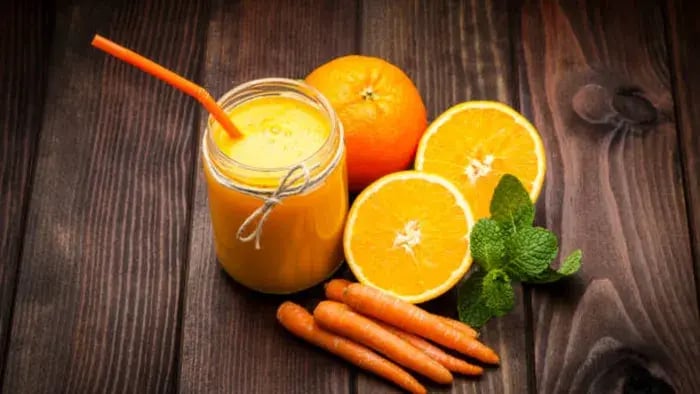
Juices are natural energy boosters when prepared thoughtfully at home. Fresh fruits and vegetables bring a powerful mix of vitamins, minerals, antioxidants, and natural sugars that fuel a child’s body and mind.
Orange and Carrot Juice
Orange and carrot juice is a naturally sweet and tangy drink that is made with fresh ingredients providing overall nutrients
Ingredients-
- 2 medium oranges, peeled
- 1 small carrot, peeled and chopped
- ½ cup water, if needed
Preparation Steps
Blend the oranges and carrots until smooth, add water if needed, and strain before serving
Benefits
Provides vitamin C from oranges and beta-carotene from carrots while offering a naturally sweet way to include vegetables in a child’s diet.
Beetroot and Orange Juice
Beetroot and orange juice is a vibrant, mildly sweet drink that provides goodness of beetroot and vitamin C.
Ingredients-
- 1 small beetroot, peeled and chopped
- 2 oranges, peeled
- ½ cup water
-
- Blend the chopped beetroot, peeled orange and water until smooth, then strain if needed and serve fresh.
-
- Provides vitamin C and naturally occurring nutrients while introducing children to the taste and color of beetroot.
Watermelon and Mint Juice
Watermelon and mint juice is a light and cooling drink that is great for kids to stay hydrated.
Ingredients-
- 2 cups seedless watermelon cubes
- 4–5 fresh mint leaves
- A squeeze of lemon, optional
-
- Blend the watermelon and mint until smooth, add lemon juice if desired and serve immediately.
-
- Helps add fluids to the diet, while mint provides a refreshing flavor that makes the drink enjoyable during warm weather.
Pomegranate Juice
Pomegranate juice is a great way to include plant compounds in kids' diets.
- Ingredients
-
- Seeds from 1–2 pomegranates
- A little water, if needed
-
- Blend or juice the pomegranate seeds with a little water if needed, strain and serve fresh.
-
- Contain naturally occurring plant compounds and antioxidants while offering a colorful and refreshing drink.
Mango Juice
Mango juice is naturally sweet, and refreshing drink that provides natural energy and essential nutrients, making it a delicious seasonal treat for kids.
Ingredients-
- 1 ripe mango, peeled and chopped
- ½ cup water
- A squeeze of lemon, optional
-
- Blend the chopped mango with water until smooth, adjust the consistency if needed and serve.
-
- This drink provides naturally occurring carbohydrates and several vitamins.
Watermelon and Basil Juice
Watermelon and basil juice is a light and refreshing drink that has a subtle fresh flavor of basil for a unique summer beverage.
Ingredients-
- 2 cups watermelon cubes
- 2–3 fresh basil leaves
- A squeeze of lemon, optional
-
- Blend the watermelon and basil until smooth, add lemon juice if desired, and serve immediately.
-
- Adds fluids and natural sweetness to the diet while basil add freshness and support bone health, immunity, and digestion.
Pear and Carrot Juice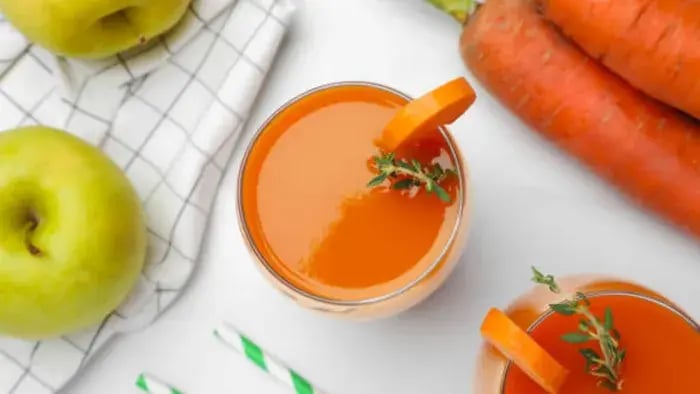
Pear and carrot juice is a mildly sweet and smooth drink creating a nutritious and kid-friendly beverage.
Ingredients-
- 1 ripe pear, chopped
- 1 small carrot, peeled and chopped
- ½ cup water
-
- Blend the pear and carrot with water until smooth, and add more water for the desired consistency and serve fresh.
-
- Pears provide beta- carotene and carrots provide essential vitamins and fiber.
How to Make Homemade Juice More Appealing for Kids
- Use colorful fruits and vegetables.
- Serve juice in a fun cup or colourful glass.
- Add a reusable, child-friendly straw.
- Let children help choose the ingredients.
What Are The Best Times to Give Juice to Children
Juice is best served in small portions with meals or snacks, while water should remain a child’s main drink throughout the day.
How Much Homemade Juice Can Kids Drink?
The amount of juice children should have depends on their age. The American Academy of Pediatrics recommends no juice for infants under 12 months and limited portions for older children, while encouraging whole fruits instead.
- Under 1 year: Avoid juice unless medically advised.
- 1–3 years: Up to about 4 ounces (120 ml) per day.
- 4–6 years: About 4–6 ounces (120–180 ml) per day.
- 7–18 years: Up to 8 ounces (240 ml) per day.
Key Takeaways
- Homemade juice can add variety and nutrients when prepared fresh without added sugar.
- Whole fruits are generally a better choice because they provide more dietary fibre.
- Different juices, such as orange-carrot and watermelon blends, support different nutritional needs.
- Serve juice in small, age-appropriate portions instead of allowing children to sip throughout the day.
- Water and plain milk should remain children's main everyday drinks, while juice should be limited.
Frequently Asked Questions
Which homemade juice is best for kids?

Orange and carrot juice is nutritious, naturally sweet, and generally appealing to children.
Can children drink homemade juice every day?
Yes, in limited portions, but whole fruits should remain the healthier everyday choice.
Is homemade juice healthier than packaged juice?
Homemade juice without added sugar is generally healthier than sugary packaged juice drinks.
What juice helps boost immunity in children?
Orange and carrot juice provides vitamin C and beta-carotene to support overall immunity.
How much juice should kids drink daily?
Serving sizes depend on age; younger children generally need smaller portions of juice.
Which juice is best during summer?
Watermelon and mint juice is refreshing and hydrating, making it ideal for hot days.
Her love for storytelling began with reading her grandfather’s speeches, where Tarishi saw the power of words in creating lasting memories. Combining her passions for food and writing, she has turned her life into a fulfilling path of sharing stories that celebrate flavours and how food brings communities together.
The views expressed are that of the expert alone.
Popular Topics