




 Parenting Guide


 Child Health & Growth


 Learning & Skills Development


 Food & Nutrition


 Bournvita





Introduction
Playing outside is important for a child's overall wellness. As per the Porto Biomedical Journal, it can be really helpful for a child's mental and cognitive development. Other than keeping a child fit, playing outside can enhance a child's social skills and emotional development and improve their focus in the classroom.
Hence, encouraging your child to play outside is necessary. However, it's also essential for your child to practice some basic safety measures while playing outside. This is because your child can be exposed to various kinds of threats. This may include passing by high-speed vehicles, mosquitoes, injuries from running around, and much more. Hence, to reduce the susceptibility to such risks, you can teach your child some necessary safety measures and ensure that they practice them while outside.
Why outdoor play is important for a child’s development
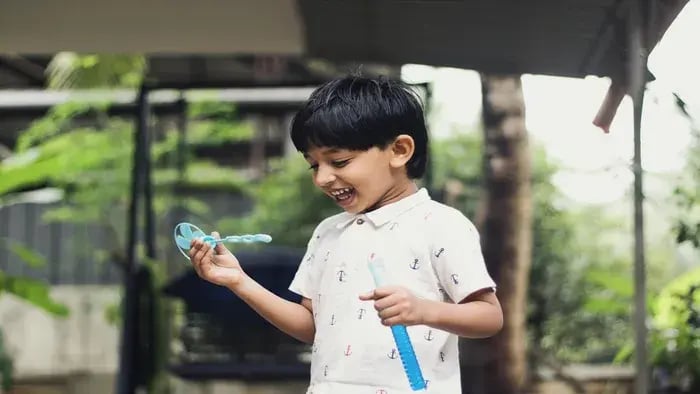
The first step in outdoor play safety is understanding why outdoor play is so important. The outdoors helps children develop physically, socially, and emotionally. Fresh air and movement are good for sleep, focus, and mood. The playground safety checklist works best if children already love the outdoors. Playing outdoors naturally develops coordination, balance, and gross motor strength. Sharing, teamwork, and conflict resolution are social skills learned through play. Children who regularly play outside show stronger academic performance indoors. Exposure to nature reduces anxiety and helps build resilience in developing children. The real harm is the complete elimination of outdoor play in an attempt to avoid risk. Balance safety and freedom. Both are essential for healthy child development.
How to introduce outdoor safety to kids at home
Teaching outdoor play safety does not require a classroom or formal lesson. Start at home using simple, engaging methods children actually enjoy and remember.
- Role-play real scenarios with your child before they face them outside. Practice crossing a road safely, refusing food from strangers, and what to do if they feel lost or separated from you.
- Use picture books or short videos about outdoor safety made for young children. Visual stories make rules feel real, relatable, and easy to recall in an actual situation outdoors.
- Create a checklist or poster listing the seven safety rules and put it on the fridge or bedroom wall. Let your child decorate it — ownership makes them more likely to remember and follow the rules.
Starting these habits early helps kids stay safe and genuinely confident outdoors every single day.
7 Safety Rules for Kids to Remember Outdoors

While playing outside can be an exceptionally rejuvenating experience for your child, it's also important for you to take care of their safety and well-being. Here are some tips to make your child's playtime safer and enjoyable.
Seasonal Awareness
With different seasons come different types of allergies and health concerns. For example, in summer, there is a higher likelihood of sunburns and feeling dehydrated because of excessive sweating. Hence, your child needs to wear sun protection before stepping out and carry a water bottle to hydrate themselves occasionally. Similarly, during the monsoon season, your child can apply a mosquito repellent cream to stay protected from mosquito bites that may further worsen health problems.
Know the Playing Area
Parents can try educating their kids about the difference between an appropriate area for playing and an inappropriate one. For example, kids should know that the street is unsafe for playing games, as many high-speed vehicles are moving there. Similarly, pedestrians or areas meant for walking are also not appropriate places for playing activities. On the other hand, grounds and parks can be used by kids to play games.
Increased Self-Awareness
While stepping outside, a child should be encouraged to be aware of the surroundings and always know what's happening around them. For example, if another child is riding a bicycle near them, the child should be aware and stay a particular distance from that bicycle to avoid any accident. It's also important for a child to stay away from uneven surfaces, iron rods, and other kinds of obstacles that may lead to injuries and imbalance.
Stay Away From Water Pits
Kids should try to stay away from water pits as much as possible. Water pits are quite common, especially during the monsoon, when one may see many potholes filled with rainwater. This is a breeding ground for mosquitoes and other harmful germs. A child might also end up falling into such pits and injuring themselves quite seriously. Hence, kids need to be aware of such water pits and stay away from them as much as possible.
Avoid Unhealthy Food
While playing outside, children may feel hungry because of continuous exhaustion. The child may look for instant options, such as street food, to satiate this hunger. Parents can educate their children about the harmful effects of such street foods. As an alternative, parents can pack healthy snacks for their children that they may eat between their play breaks.
Not Speaking With Strangers
While playing outside, your child can be vulnerable to some dangerous people or groups targeting kids. Hence, to keep your child safe, you must teach them about staying away from strangers and not getting lured. You may also teach your child about not taking any eatables from someone they don't know. Additionally, in case they feel in danger, the child should be educated about asking for help from a trustworthy person if parents are not around.
Staying in Safe Boundaries
While playing in parks or gardens, kids should be educated about staying in safe spaces and not going to remote corners alone. This can be dangerous for a child and can have negative repercussions. For better safety, you may make your child wear watches or bands with GPS trackers to know their locations at all times. Moreover, if your child is young, it's always better to let them play under an adult’s supervision.
Conclusion
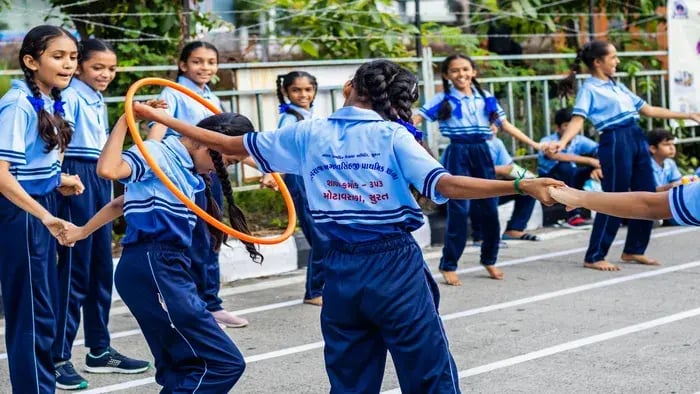
Practicing outdoor safety is important to ensure that your child remains safe and immune from outside threats. It may also help your child understand the difference between right and wrong from an early age and help them make mindful decisions related to their safety.
Frequently Asked Questions
Why is outdoor play important for children?

Outdoor play builds physical strength, social skills, and emotional resilience. It helps with focus, reduces anxiety, and aids with sleep. Children who are allowed to play outside regularly grow more confident than those who are kept inside regularly.
What are the basic safety rules for kids playing outside?
Stay near a trusted adult, do not go near strangers, know what to do if you get lost, use equipment correctly, wear protective clothing, drink plenty of water, and follow road safety rules at all times when outside.
How can parents teach outdoor safety to a 4–7‑year‑old?
Use role-play, picture books, and simple safety posters at home. Keep rules simple and practice them often. Children of this age learn best through repetition, stories, and calm, consistent conversations with their parents.
Is it safe for kids to play outside during the monsoon?
Yes, but take care. However, avoid waterlogged areas, slippery surfaces, and open grounds during lightning. Get kids in non-slip shoes and watch them closely. With awareness, it is possible to make monsoon play safe and enjoyable.
Pakhi writes with the belief that dessert isn’t just a dish—it’s a mood. Her work blends storytelling with tips, turning timeless treats and trendy bites into accessible moments of comfort, celebration, and creative expression.
The views expressed are that of the expert alone.
Popular Topics