



 Parenting Guide


 Child Health & Growth


 Learning & Skills Development


 Food & Nutrition


 Bournvita





Introduction
Regular exercise can help alleviate problems related to muscles, bones, and even the stomach. It is not only beneficial for a person's body but may also have positive effects on a person's mind as well. Yoga is one such form of exercise that originated in India and spread to different parts of the world because of its wonderful benefits.
As per NIH, yoga can help in awakening the navel chakra, which can take care of a person’s digestive system. One may not realize the mental stress and anxiety associated with stomach-related disorders. The good part about Yoga is that it may also help in alleviating mood-related problems related to the stomach. One can try different yoga poses to stimulate the digestive fire and improve their gut health.
Can Beginner Yoga Support Digestion?
Movement and Digestion
Gentle twists and forward bends in yoga may help to stimulate the abdominal organs and encourage movement through the digestive tract, although outcomes can differ from person to person.
The Importance of Breathing
The slow, deep breathing cultivated during yoga stimulates the body's relaxation response and can facilitate smoother digestion compared to the shallow breathing that often accompanies stress.
Relaxation and the Role of the Gut
Stress can mess up digestion, so the calming effect of beginner yoga practice may indirectly support gut comfort, even apart from the physical poses themselves.
Yoga Poses to Try for Better Digestion
One of the major benefits of Yoga is obviously better digestion and health. This article is specifically meant for people who want to get rid of their digestive problems and focus on better maintenance and physical health. Here are some yoga poses to try.
Wind Relieving Pose
As per IAMJ, the wind-relieving pose is practiced by getting rid of the excessive air in the gastrointestinal tract. It is also called pavanamuktasana. For this, one has to lie in the supine position and draw their bent knees towards the chest. The arms have to be wrapped around the shins. Simultaneously, one has to keep the head and the shoulder lifted off the floor by bringing the chin between the knees. This pose is also pawanmuktasana. One has to retain the position for at least 15 to 20 seconds and then come back to the relaxed position.
Seated Forward Bend Pose
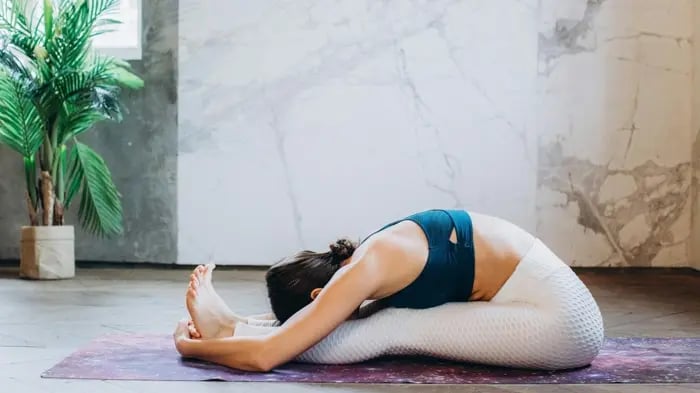
Also called the paschimottanasana, this is performed by staying in a sitting position and extending the legs in front. The upper body is folded forward with arms extended to grab the toes with one's respirator hands, and the forehead touches the knees. As per ResearchGate, this exercise can help the body be in a horizontal position. By putting pressure on different parts of the body, it may show some significant results. One should not try to extend their body too much.
Half Lord of The Fish Pose
As per IJRPR, this is a seating posture that can squeeze the internal organs and any blood flow of the blood in the lower abdomen. It's also called the matsyendrasana. One has to sit on the bending of the knee and place the left foot near the right hip. The right foot outside, the left knee has to be placed simultaneously. During this position, the spin is sold by taking the left on the outside of the right knee and grabbing the right foot. The arm is wrapped around the neck, which is drawn to look like it passes the right shoulder.
Bow Pose
This asana is called the dhanurasana. It is an asana that is slightly complex and should only be done by people who have practiced yoga and meditation before. In this post, one has to stretch their arms and legs, like a bow, string and extend the abdominal muscles. While lying on one's belly, the knees are bent, the feet are raised, and the arms are extended back to grab the ankles. It can be enhanced by simultaneously lifting the chest and pulling the legs.
Thunderbolt Pose
Also called the vajrasana, it can serve as a catalyst for promoting a person's digestion. One has to kneel on the floor and bring their toes together simply. With their toes, one has to form a V while keeping their heels apart. Then the buttocks have to rest on the heels with the palms of the hands on the knees. As per IAMJ, it can be especially beneficial for digesting the complex food particles and promoting increased blood supply. This is perfect for people who cannot perform complex yoga poses.
Boat Pose
Navasana is performed by balancing the upper body over the sit bones. In this, the body attains a V-like structure. The boat pose can efficiently help in enhancing the health of the liver, pancreas, and kidneys. It can also help in better digestion as it contracts the abdominal muscles. It may also create stress hormones in the body, which can improve bowel movement.
Camel Pose
As per ResearchGate, this pose is called Ustrasana and can help in improving the blood circulation to the digestive tract. One has to perform it by kneeling on the floor and arching the spine back to draw an arm towards the heels. The heads are then pressed on the heels and the head is put in a backward position. This is an exercise that stretches the neck muscles and can benefit the navel chakra. It can also regulate the proper circulation of blood and air around each cell of the body.
10-Minute Beginner Yoga Sequence
Start Breathing (1 minute)
Sit comfortably, and take a few slow, deep breaths to bring mind and body into ease before you move into any poses.
Gentle Warm-Up (2 mins)
A few simple seated stretches, like gentle neck rolls and shoulder shrugs, can warm up the body without immediately putting strain on the digestive area.
Seated Twist (2 min)
A gentle seated spinal twist held for a few breaths on each side can help stimulate the abdominal organs by gently compressing and releasing them.
Cat-Cow Stretch (2 min)
Slowly moving between cat and cow positions on hands and knees gently massages the abdominal area while warming up the spine.
Rest & Closing Breath (3 min)
Lie down in a relaxed position and breathe slowly to finish, allowing the body and digestive system to settle after the sequence.
When to Practise Yoga Around Meals
Avoid Practicing After Big Meals
After a large meal, avoid poses that involve strong abdominal compression or twisting, as this can cause discomfort rather than relief.
Reasonable Time of Delay
After a big meal, it’s best to wait about one to two hours before practicing yoga to allow the body to start to digest before moving.
No hard timing guaranties
These timeframes are a general guide and not a hard and fast rule that applies to everyone exactly the same because each person digests food at a different speed depending on the size and makeup of the meal.
Morning Practice on an Empty Stomach
A lot of people like to do their yoga in the morning before breakfast, as they don’t have to worry about eating recently when doing more active poses.
Safety Tips and When to Seek Medical Advice
Stay in a Pain-Free Zone
Poses should never be painful. A little stretching is normal, but real pain means you should come out of the pose right away.
Adjust Poses as Needed
If you’re a beginner, you can use props like cushions or blocks, or you can reduce the depth of a stretch to make a pose more comfortable, but still get the benefit.
Look out for digestive warning signs
If you’re experiencing persistent abdominal pain, unexplained weight loss, blood in your stool, or ongoing digestive symptoms, these are red flags that warrant a medical evaluation rather than just relying on yoga.
Pre-existing Conditions See a Doctor
Those with diagnosed digestive disorders, recent surgery, or chronic pain should check with their doctor before beginning a yoga practice that focuses on the abdominal area.
Prioritize Intensity over Consistency
For beginners still learning proper form, a short, regular practice is generally safer and more sustainable than occasional long sessions.
Conclusion
One can perform these yoga asanas at home to improve food, digestion, blood circulation, and overall health. The best part is that these can be done for free and do not require a lot of time. All that one needs is a yoga mat and some active wear.
Frequently Asked Questions
Which yoga pose is easiest for beginners?

The cat-cow stretch is an easy pose for beginners, and you don’t need to be flexible, and it gives a gentle abdominal massage effect.
Can yoga cure digestive problems?
No, yoga can help with digestion and relaxation, but it's not a proven cure for diagnosed digestive conditions, which should be assessed by a doctor.
Is yoga safe after eating?
Usually gentle stretching is fine shortly after eating, but strenuous twists or compression poses are best left for an hour or two after a meal.
How often can beginners practice?
Most beginners can safely practice gentle yoga daily or a few times a week, provided they keep the poses within a comfortable, pain-free range.
Smriti is a content writer who creates clear, practical, and informative content backed by science and relevant data. With a strong understanding of structured writing, she breaks down complex topics into simple, actionable insights. Her work is focused on helping readers prepare, learn, and grow with confidence and clarity.
The views expressed are that of the expert alone.