


 Parenting Guide


 Child Health & Growth


 Learning & Skills Development


 Food & Nutrition


 Bournvita





Introduction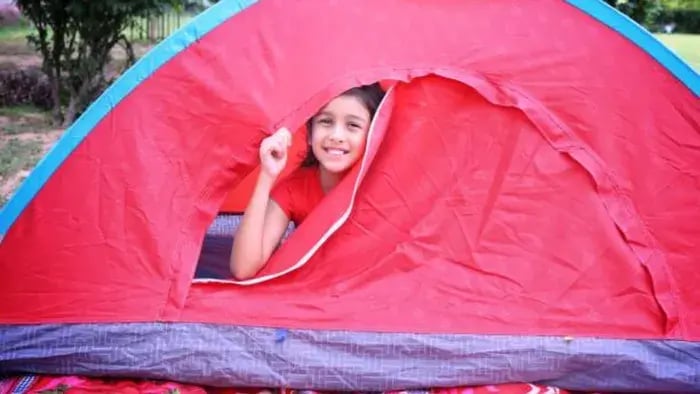
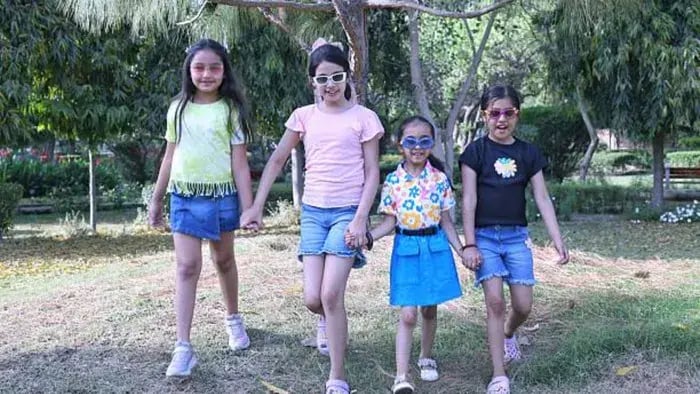
Summer camp activities offer children a fun way to learn new skills, make friends, and explore their interests beyond everyday routines. From creative arts and science experiments to outdoor adventures and team challenges, these hands-on experiences help develop confidence, communication, problem-solving, and teamwork. Age-appropriate activities keep learning enjoyable while encouraging curiosity, creativity, and personal growth.
How to Choose Summer Camp Activities
Choose activities based on the children's ages and abilities. What works for 10-year-olds may not suit younger children in a mixed-age group. Consider the group size, as some activities work best with larger groups, while others need smaller groups for safety and participation.
Plan activities according to the location and weather. Keep indoor alternatives ready for rainy days or extreme heat, and allow enough time for children to enjoy each activity without feeling rushed.
Ensure every activity is accessible to children with physical, sensory, or learning disabilities. Adapt activities to suit different needs so that all campers can participate.
Before starting, check that enough staff are available to supervise the group safely. Prepare all the required materials in advance to ensure activities run smoothly and children can participate fully.
Summer Camp Activity Comparison Table
| Activity | Age Range | Duration | Setting | Group Size | Main Skill | Supervision |
| Nature Treasure Hunt | 6-12 | 30-45 min | Outdoor | Small groups | Observation | Moderate |
| DIY Science Experiments | 7-13 | 30-40 min | Indoor | Small groups | STEM curiosity | High |
| Story Circle & Puppets | 4-9 | 20-30 min | Indoor/Outdoor | Any size | Creative expression | Moderate |
| Camp Newspaper | 8-13 | 45-60 min | Indoor | Small groups | Writing, teamwork | Low |
| Build-It Challenge | 6-12 | 30-45 min | Indoor/Outdoor | Small groups | Problem-solving | Moderate |
| Eco-Crafts | 5-11 | 30-40 min | Indoor/Outdoor | Any size | Creativity, sustainability | Moderate |
| Camp Olympics | 6-13 | 45-60 min | Outdoor | Larger groups | Teamwork, physical activity | High |
| Campfire Debates | 9-14 | 30-45 min | Indoor/Outdoor | Small-medium | Communication | Moderate |
Sample One-Day Summer Camp Schedule
When kids look back at summer camp, what they remember the moments where they discovered something new, made something with their hands, or surprised themselves by learning in a fun way. The right camp activities blend adventure with purpose, helping children learn through curiosity and play, not pressure.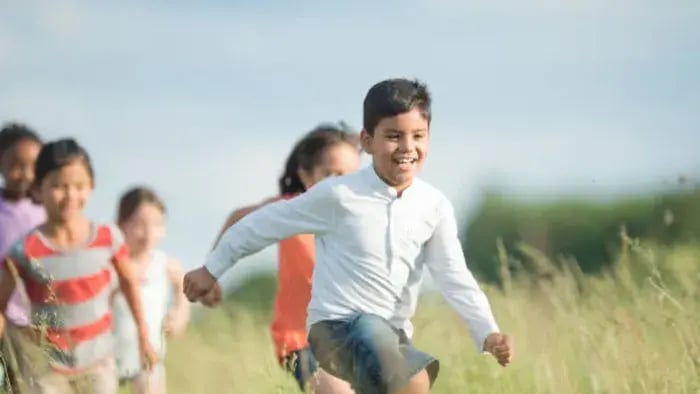
Nature Treasure Hunt
Children love exploring, and a nature treasure hunt gives that excitement a purpose. Prepare a list of natural objects for kids to find—such as a feather, a smooth pebble, something green, or a tree with rough bark. For each item, include a fun fact or question like “Why do leaves have different shapes?” or “Can you find something that smells nice?”
Split kids into small groups and encourage them to work together, observe closely, and talk about what they find. This activity teaches environmental awareness, sharpens observation skills, and promotes teamwork—all while giving kids a fresh appreciation for the outdoors.
DIY Science Experiments
Children are natural scientists, they love asking “why” and “what if.” Let them explore that curiosity with a DIY science corner at camp. Use easy materials like vinegar, baking soda, balloons, or saltwater. Try classics like erupting volcanoes, invisible ink, magnet tests, or growing crystals.
Encourage children to make predictions, write down steps, and explain their observations. For older kids, introduce basic concepts like density, reaction, or energy. This not only supports science learning but also teaches patience, careful observation, and confidence in experimenting.
Story Circle and Puppet Making
Let imaginations soar through storytelling and puppet play. Begin by having children invent short stories based on prompts like “A day at a magical zoo” or “The time I met a talking cloud.” Then provide simple materials—socks, buttons, yarn, paper bags—and guide them in making their own puppets. Once the puppets are ready, children perform their stories for the group.
Camp Newspaper or Journal
Capture the spirit of camp through words and pictures. Assign roles like writers, editors, photographers, and illustrators to campers based on their interests. Let them report on daily events, interviews with fellow campers, or draw cartoons and reviews of their favourite activities.
Younger children can contribute drawings or talk about their day while an adult or teen writes it down. Once complete, compile the pages into a printed or digital newsletter.
Build-It Challenge
Give children a theme and a table full of recyclable and craft materials, cardboard, tape, straws, string, paper cups, and popsicle sticks. Then ask them to build something creative: a wind-powered car, a bridge that holds weight, or a boat that floats. Children can plan their design, sketch ideas, test, and revise.
Imaginative Time Travel Day
Let kids become time travelers for a day! Choose a historical period, like Ancient Egypt, the Mughal Era, or even the future, and build activities around it. Children can create simple costumes using scarves, paper crowns, or handmade jewelry. Encourage them to act out scenes like being a merchant in a medieval bazaar or an inventor from the future.
Add storytelling sessions where a “time guide” narrates fun facts and challenges from that era. Let kids build small props, try themed crafts (like writing in hieroglyphs or designing futuristic gadgets), or prepare a skit based on the time period.
Eco-Crafts and Recycling Projects
Turn waste into wonder by teaching kids how to make art or valuable items out of recycled materials. Make planters from plastic bottles, bird feeders from milk cartons, or creative sculptures from scrap cardboard. Pair the craft session with a short talk on why reducing waste matters.
Camp Olympics with a Twist
Physical games are a camp favourite, but you can add a learning layer to make them even better. Create a mini “Olympics” with a mix of sporty events and brain games. For example, after a relay race, kids solve a riddle before tagging the next teammate. Or have them name an animal or capital city before jumping through hoops.
Campfire Debates and Discussion Circles
Bring older kids together in a circle to talk about fun, age-appropriate topics—like “Should school have homework?” or “Is chocolate better than ice cream?” Create a safe space for children to share opinions, listen respectfully, and respond thoughtfully.
You can also mix in moral dilemmas or story-based questions to explore empathy and decision-making.
Summer Camp Safety and Inclusion Checklist
- Heat and hydration. Plan frequent water breaks and schedule strenuous outdoor activities during times when temperatures are cooler.
- Prevention of allergies and food safety. Prepare the allergy information beforehand and clearly label any food-related activities or snacks given.
- First aid readiness. Have at least one adult member of staff trained in first aid, and have a first aid box on hand at all times.
- Consent and accessibility. Ensure parents consent to activities beforehand and arrange activities accordingly for campers with disabilities and/or additional needs.
- Staff ratios. Use the proper camper/staff ratio for the age group and the activity.
- Safety of tools and materials. Ensure close supervision during all activity using tools, sharp objects, and/or reactive materials.
- Outside boundaries and emergency numbers. Establish clear boundaries for outdoor play and ensure emergency contact numbers, such as 112 in India, are accessible to all staff.
Conclusion
The best learning comes from experience, these summer camp activities allow kids to play, explore, create, and connect in ways that build real-life skills. They come away with more than just memories, they gain confidence, curiosity, and the joy of learning without pressure. Whether you're organising a large camp or planning backyard fun, these nine ideas can turn summer into a season of discovery, growth, and laughter, for every kind of learner.
Frequently Asked Questions
What are good summer camp activities for kids?

A variety of activities, including active games, creative crafts, STEM activities, and quiet reflection activities, ensure a camp day with a variety of interests.
Which activities work for mixed-age groups?
Story circles, eco-crafts, and basic nature hunts work for a broad age range, as they can be simplified or enhanced depending on the skill level.
How can summer camp mix fun and learning?
If you're writing or teaching basic science, for example, you can make it more interesting by putting it into a game-like, creative context.
What safety planning is needed for camp activities?
In advance of any activity, staff should make sure they are hydrated, aware of any allergies, prepared with first aid supplies, have a supervisor-to-activity ratio appropriate to the activity, and have clear emergency contact information.
Smriti is a content writer who creates clear, practical, and informative content backed by science and relevant data. With a strong understanding of structured writing, she breaks down complex topics into simple, actionable insights. Her work is focused on helping readers prepare, learn, and grow with confidence and clarity.
The views expressed are that of the expert alone.