



 Parenting Guide


 Child Health & Growth


 Learning & Skills Development


 Food & Nutrition


 Bournvita





Introduction
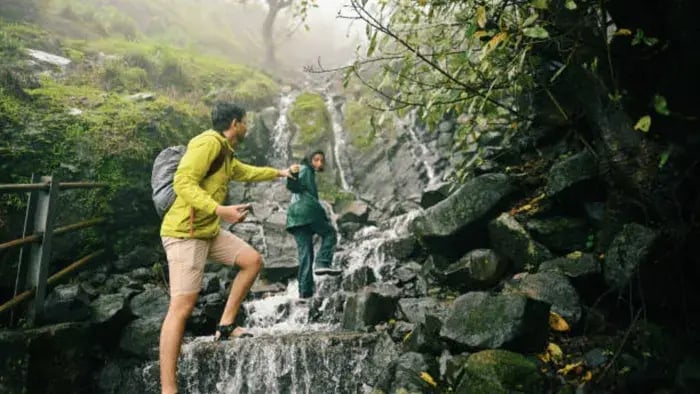
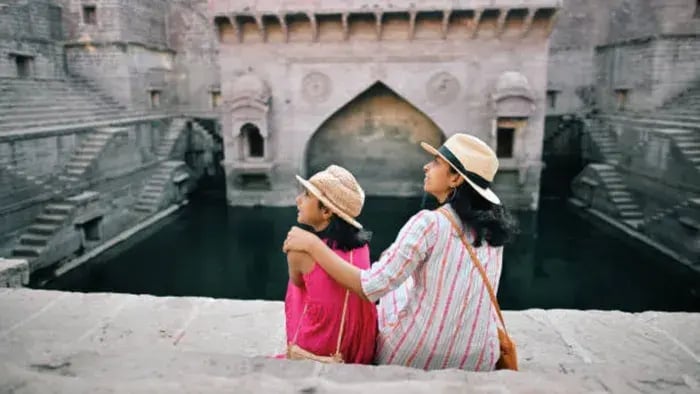
Planning a summer vacation with kids means balancing fun, rest and something meaningful. While theme parks and hotel stays have their charm, some places go a step further, they make learning an adventure. In India you’re never too far from places that spark curiosity, encourage hands-on exploration and turn simple moments into lasting knowledge.
When watching history come alive at a fort, taking a nature walk with a local expert or visiting a science centre where your child can touch, try and discover, these are the trips that stay with them long after the holiday is over. It happens through stories shared by locals, traditions observed in real time and questions that come naturally when you’re in a new place together.
A well chosen destination not only helps children understand the world better, it also brings families closer. Long walks, shared meals, quiet train rides and curious questions spark moments of connection that daily routines often miss. So if you’re looking for a holiday that’s both joyful and enriching here are seven places in India where travel becomes a doorway to discovery.
Learning-Rich Destinations in India for a Family Summer Vacation
India offers far more than scenic views and hotel comforts, it’s a living classroom with every region holding something new to discover. As a parent, if you’re hoping to mix fun with learning this summer, you don’t have to search too far. Here are 7 incredible places across India where travel turns into a journey of curiosity, growth, and family bonding.
Jaipur, Rajasthan
From the grandeur of Amer Fort to the clever architecture of Jantar Mantar, Jaipur invites children to see history beyond books. You can take guided heritage walks, learn block printing in local workshops, or simply explore vibrant bazaars that reflect stories from centuries ago.
Sikkim
Swap Darjeeling for the lesser-known but equally rich learning experience of Sikkim. Visit Gangtok’s Namgyal Institute of Tibetology to explore Tibetan culture and history. The lush tea gardens, monasteries, and eco-tourism projects provide children a real-world connection to nature, spirituality, and sustainability.
Mysuru, Karnataka
Mysuru’s palace offers a peek into India’s royal past, while the Regional Museum of Natural History and the Railway Museum make learning interactive and fun. Visit nearby Ranganathittu Bird Sanctuary to help kids spot wildlife and understand ecosystems in action.
Bhopal, Madhya Pradesh
Bhopal beautifully blends history, science, and nature. Take your family to the Indira Gandhi Rashtriya Manav Sangrahalaya (Museum of Man), where open-air exhibits bring tribal culture to life. Bharat Bhavan introduces kids to contemporary art and theatre, and a visit to the Van Vihar National Park helps connect with wildlife in a serene setting.
Ahmedabad, Gujarat
Take a trip to the Sabarmati Ashram to explore Gandhiji’s life, visit the Auto World Vintage Car Museum, or the Calico Museum of Textiles to learn about crafts. This city shows how freedom, design, and innovation can all belong in the same place.
Kolkata, West Bengal
Known as the cultural capital, Kolkata is rich in literature, art, and science. Take your child to the Birla Industrial & Technological Museum, ride a tram, or browse old books in College Street. Even a boat ride on the Hooghly can open up deep questions about rivers and trade.
Mahabalipuram, Tamil Nadu
This UNESCO heritage site by the sea is known for its rock-cut temples and sculptures. Kids can explore ancient art and architecture, and even sketch the figures they see. It’s a peaceful way to introduce mythology, design, and cultural heritage.
Shimla, Himachal Pradesh
Shimla is a cool hill town where kids can see and touch history easily. The Kalka-Shimla toy train, a UNESCO World Heritage railway, turns a journey into a lesson in engineering. Children can explore the colonial-era Viceregal Lodge and stroll along Mall Road, where stories of the British summer capital come alive.
Ooty, Tamilnadu
Ooty is a cool escape in the Nilgiri Hills and offers a lot of hands-on learning. Another UNESCO listed toy train, the Nilgiri Mountain Railroad, takes families through forests and tea gardens. See rare plants and trees at the Government Botanical Garden. Visit a tea factory and see how the leaves turn into the tea in your cup.
Munnar, Kerala
Munnar’s rolling tea estates are a living classroom on farming, ecosystems and wildlife. Eravikulam National Park is home to the endangered Nilgiri Tahr and guided walks allow children to get a close-up look at conservation. The Tea Museum adds the story behind the plantations. Check park hours and seasonal closures before you go.
Destination Comparison Table
| Destination Type | Typical Weather | Best Age | Trip Length | Key Activities | Travel Effort | Budget Level |
| Hill Stations | Cooler, mild | All ages | 4-5 days | Nature walks, sightseeing | Moderate | Moderate |
| Coastal Destinations | Warm, humid | All ages | 3-4 days | Beaches, water activities | Low-moderate | Moderate |
| Wildlife Destinations | Varies by region | School-age+ | 3-5 days | Safaris, nature exploration | Moderate-high | Moderate-high |
| Heritage/Cultural Cities | Often hot | All ages | 2-4 days | Museums, historical sites | Low-moderate | Moderate |
Ideal Time To Visit
Choosing the right month can make the difference between a great family vacation and a terrible one, particularly in the summer. April and early May is generally the most manageable windows for the best places to visit with family, as schools are out and the weather remains tolerable. Cities like Jaipur and Ahmedabad can be very hot by late May and June, so plan your sightseeing for early mornings and late afternoons. Reserve museums and other indoor stops for midday.
The hilly areas like Sikkim are cooler, but as the monsoon approaches, it starts raining, and the heavy rains can cause landslides on the mountain roads. Check the forecast a few days before your departure and try to travel before the monsoon arrives. Coastal destinations like Mahabalipuram can be hot and humid, so keep your trips short and take frequent breaks in the shade.
Booking and Early Planning
It’s the height of summer, and popular stays and trains book up quickly. Book hotels at least a few weeks in advance and look for family rooms near the main attractions so you won't have to spend as much time travelling with kids.
School holidays boost demand on most routes, so book your train and flight tickets early. Most museums, forts, and parks have a weekly closure day, so check the timings and ticket rules on the official website before you go. Book in advance if a place has a guided tour or time slot, this saves families from standing in long queues in the heat.
What to Bring for the Family
- Everyone should wear light cotton clothing and a hat or cap to keep the children out of the sun.
- Even in summer evenings can get cold in hilly places like Sikkim, so do carry a light jacket or jumper.
- Don’t forget sunscreen, sunglasses and a reusable water bottle for each family member.
- Take a small first-aid kit with child-safe fever medicine, rehydration salts and any prescribed drugs with you.
- If you travel in late May or June, bring a light rain jacket, as early showers are frequent.
- Bring comfortable walking shoes for adults and sturdy, closed-toe sandals for kids, as most learning-rich spots include a lot of walking.
- Bring a small notebook or sketchbook for the children to write down what they see and learn on the trip.
How to Choose a Summer Destination
- Take the heat level into account. The summer heat can be quite intense in many parts of India, so places at higher altitudes or with a milder climate tend to be more comfortable family travel destinations during the peak summer months.
- Think elevation. Destinations in the hills can be cooler but may require altitude adjustment for very young children or those with respiratory sensitivities, which may be worth discussing beforehand with a pediatrician if relevant.
- Be honest about travel time. The longer the trip, the more young children get tired, so compare the destination's allure to how long it actually takes to get there.
- Match to your child’s age. Younger kids tend to do better with simpler itineraries and shorter travel stretches than older kids or teens.
- Create a realistic budget. Costs can vary widely by destination and season, so it’s always best to check current pricing before booking to avoid unpleasant surprises.
- Check for accessibility and medical needs. Before you book, make sure the destination can accommodate any special medical or access needs your family may have.
Learning-Rich Family Activities
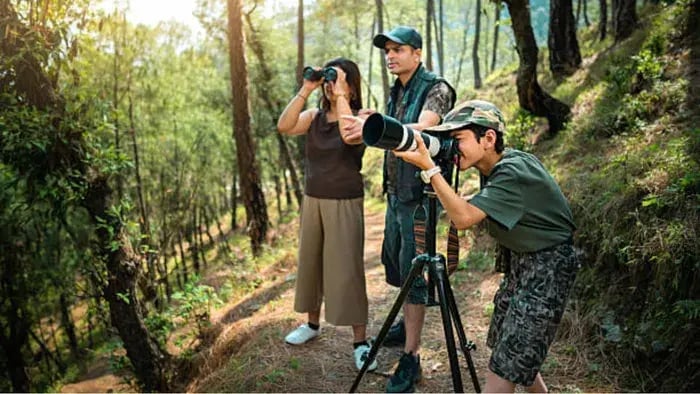
- Exploration based on nature: A trip to a national park or nature reserve, preferably with a trained guide, offers a fun and practical introduction to local ecosystems and wildlife for children.
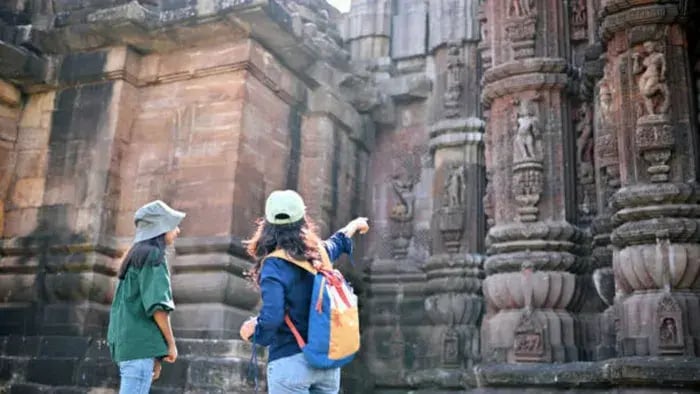
- Historic site visits: Visiting forts, monuments, or heritage sites offers a tangible connection to history that textbooks often fail to deliver.
- Cultural experiences: Children are introduced to local culture and traditions through a local festival, craft demonstration, or traditional performance.
- Community-based tourism: You can learn in a meaningful way without turning a family vacation into a formal lesson—by visiting a local market or community-run initiative, for example, and engaging with local communities in a responsible and respectful way.
Summer Travel Safety Checklist
- Control heat exposure. If you work outside, try to work when it is cooler outside and ensure there is enough shade and rest time during the hottest part of the day.
- Hydration is important. Take water along and encourage your child to drink regularly. This is especially important for young children, who may not recognize thirst accurately.
- Remember altitude compensation. With very young children, give the body time to adjust to elevation changes at hilly destinations.
- Practice food safety. Select restaurants with good reviews and a focus on hygiene. Be careful with street food, particularly with very young children, as their immune systems are still developing.
- Make transport safety a plan. Ensure you have good transport arrangements in place beforehand, particularly for longer or more remote routes.
- Check for weather disruption risk. Be sure to check the weather forecast for any disruptions that could affect your travel plans, like heavy rain or heat advisories.
- Consult official guidance. Before you go, check government or tourism board advisories for your destination.
Conclusion
The best kind of learning doesn’t always happen inside four walls, it happens when your child sees, asks, and feels something new. A well-planned summer trip can open their mind, build empathy, and help them connect deeper with your family and your roots. So as you pack your bags, remember to leave space for questions, stories, and small discoveries, because those are the souvenirs that truly last.
Frequently Asked Questions
Which are the best places to visit in India during summer?

Hill stations, coastal areas and wildlife destinations have different summer experiences. It is contingent upon what your family likes and what you can afford.
Which summer destinations are good for kids?
Families tend to do well with destinations that have milder weather, reasonable travel times, and kid-friendly activities like nature walks or beaches.
Where can families find cooler weather?
If you like cooler temperatures during summer, then choose hill stations or places at higher altitudes.
What should families pack for summer travel?
On a family’s summer travel packing list, lightweight clothing, sun protection, enough hydration supplies, and any necessary medications should be at the top.
Smriti is a content writer who creates clear, practical, and informative content backed by science and relevant data. With a strong understanding of structured writing, she breaks down complex topics into simple, actionable insights. Her work is focused on helping readers prepare, learn, and grow with confidence and clarity.
The views expressed are that of the expert alone.