




 Parenting Guide


 Child Health & Growth


 Learning & Skills Development


 Food & Nutrition


 Bournvita





Introduction
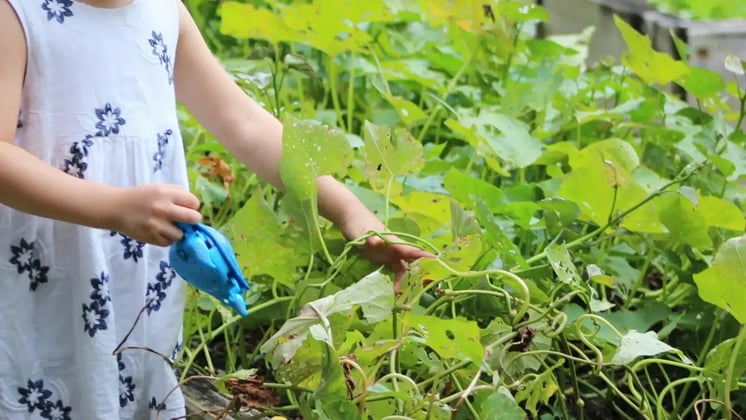
Introducing children to gardening at an early age can be a wonderful learning experience. Simple gardening activities for kids help toddlers explore nature, build confidence, and develop important life skills through play. From planting seeds to watering plants, these hands-on experiences encourage curiosity and responsibility. Toddler gardening also creates opportunities for sensory exploration, outdoor discovery, and family bonding. Whether you have a backyard, balcony, or a few pots at home, gardening for kids can turn everyday moments into exciting learning adventures while helping children connect with the environment around them.
Why Is Gardening Good for Toddlers?
Gardening introduces young children to nature while encouraging learning, exploration, and meaningful interaction with the world around them.
Builds Patience, Responsibility, and Care for Nature
Looking after plants teaches children that living things need attention, care, and time to grow successfully.
Encourages Sensory Learning Through Soil, Seeds, Leaves, and Flowers
Touching soil, exploring leaves, smelling flowers, and handling seeds stimulate sensory development and curiosity.
Supports Early Motor Skills and Curiosity
Digging, watering, planting, and carrying small tools help strengthen coordination and fine motor development.
Benefits of Gardening for Kids
These benefits of gardening for kids support emotional, physical, and educational growth during early childhood.
Mental Benefits of Gardening
Gardening helps children improve focus, patience, empathy, and emotional awareness. Spending time around plants can create a calming environment while encouraging responsibility and care.
Physical Benefits of Gardening
Activities such as digging, watering, planting, and harvesting encourage movement, build hand strength, and support physical development.
Learning Benefits of Gardening
Children learn about plant growth, weather, seasons, food sources, and nature cycles through direct observation and participation.
Simple Gardening Activities for Toddlers
These enjoyable gardening activities are easy to introduce at home and suitable for young children.
Seed Planting Activity
A simple seed planting activity is one of the best plant activities for kids. Choose easy options such as moong, chana, coriander, or methi. Let toddlers fill pots with soil, place seeds carefully, and water them gently. Watching sprouts emerge helps children understand growth, patience, and responsibility while making learning exciting and interactive.
Growing Saplings from Kitchen Seeds
Growing saplings from kitchen seeds allows toddlers to observe each stage of plant growth. This activity makes gardening enjoyable while teaching basic science concepts.
Watering the Plants
Watering plants is an easy daily task that helps children build routines and develop a sense of responsibility toward living things.
Flower Picking and Color Sorting
Among the most enjoyable nature activities, flower picking and color sorting help children identify color, textures, and shapes while supporting sensory learning.
Harvesting Fruits and Vegetables
Harvesting vegetables and fruits helps toddlers understand where food comes from while making healthy eating more exciting and rewarding.
Soil Leveling and Digging Play
Digging and leveling soil encourages touch-based exploration, movement, coordination, and curiosity about gardening processes.
Fun Garden Activities for Toddlers at Home
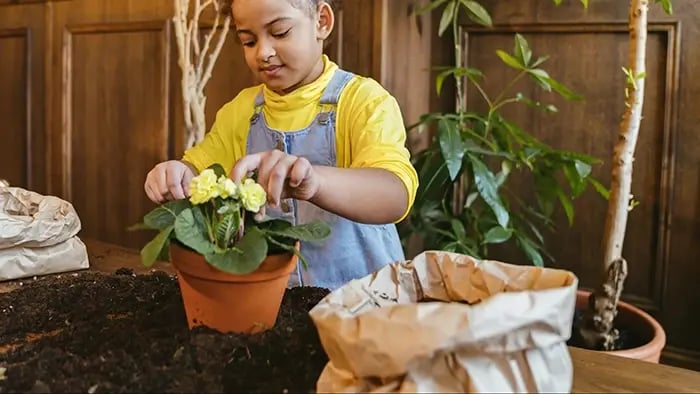
These creative activities keep children engaged while encouraging exploration and learning.
Garden Sensory Bin
Fill a container with soil, leaves, seeds, and pebbles for a fun sensory experience that encourages exploration and discovery.
Leaf and Flower Painting
Children can use leaves and flowers to create colorful artwork while learning about different plant shapes and patterns.
DIY Paper Plate Flowers
Paper plate flower crafts combine creativity with learning about plants, color, and nature-inspired art.
Mini Kitchen Garden
Growing herbs or vegetables in small containers introduces children to food-growing basics through hands-on experiences.
Nature Treasure Hunt
Ask children to find leaves, flowers, twigs, or seeds while exploring outdoor spaces and observing nature closely.
Easy Kids Gardening Ideas for Small Spaces
Limited space should never stop children from enjoying kids gardening activities.
Balcony Herb Garden
Grow mint, coriander, basil, or curry leaves in pots to create a simple and productive balcony garden.
Small Pot Gardening
Small containers are perfect for beginners and help children manage plants independently.
Hanging Planters
Hanging baskets save space while adding greenery and visual interest to compact areas.
Window-Sill Microgreens
Microgreens grow quickly and provide children with a rewarding gardening experience within a small area.
Rooftop Gardening with Supervision
A supervised rooftop setup offers opportunities for growing vegetables, herbs, and flowers safely.
Safety Tips for Toddler Gardening
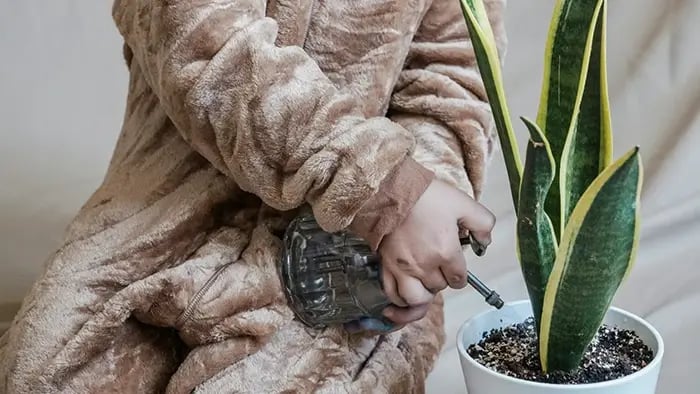
A safe environment allows children to enjoy gardening comfortably while reducing potential risks.
- Choose lightweight tools designed for young children to ensure safe participation.
- Select child-friendly plants that do not contain harmful substances or sharp thorns.
- Adult supervision helps maintain safety during gardening activities involving water and soil.
- Encourage proper hygiene after outdoor play and gardening sessions.
- Use child-safe gardening methods and keep chemical products away from young children.
How Parents Can Make Gardening More Fun
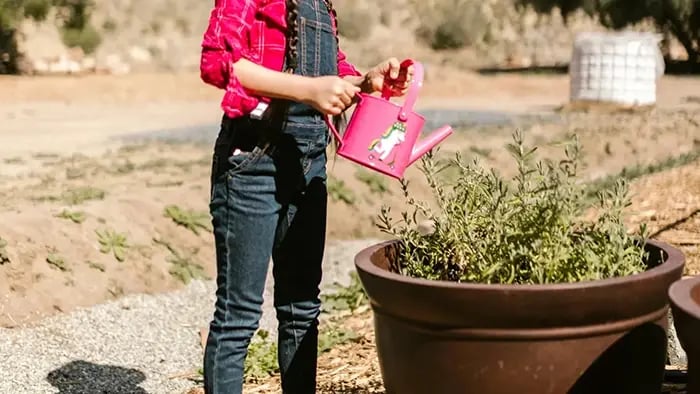
Simple ideas can make gardening for kids even more engaging and enjoyable.
Let Toddlers Name Their Plants
Giving plants names creates a personal connection and increases excitement about caring for them.
Use Colorful Pots
Bright containers make gardening visually appealing and encourage participation.
Create a Simple Watering Chart
A colorful chart helps children remember tasks and follow routines independently.
Celebrate the First Sprout
Recognizing growth milestones keeps children motivated and excited about gardening.
Turn Gardening Into a Weekend Family Activity
Family gardening sessions create learning opportunities while strengthening relationships and teamwork.
Frequently Asked Questions
What are easy gardening activities for toddlers?

Seed planting, watering plants, color sorting with flowers, digging soil, and growing herbs in pots are simple activities suitable for toddlers.
Which seeds are best for kids to plant?
Moong, chana, coriander, methi, and mustard seeds are easy choices because they sprout quickly and are simple to manage.
What are the benefits of gardening for kids?
Gardening supports physical activity, sensory development, responsibility, patience, curiosity, and learning about plants and nature.
Can toddlers do gardening in a balcony or a small space?
Yes. Pots, containers, window-sill gardens, and hanging planters make gardening possible even in compact homes and apartments.
Smriti is a content writer who creates clear, practical, and informative content backed by science and relevant data. With a strong understanding of structured writing, she breaks down complex topics into simple, actionable insights. Her work is focused on helping readers prepare, learn, and grow with confidence and clarity.
The views expressed are that of the expert alone.
Popular Topics