




 Parenting Guide


 Child Health & Growth


 Learning & Skills Development


 Food & Nutrition


 Bournvita





Introduction
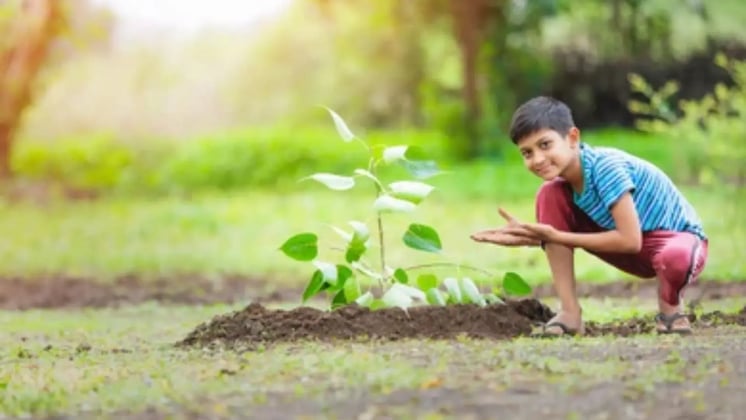
Learning patience is like learning how to garden; it is a skill that can be improved with practice from a young age. Gardening teaches kids patience and instils the belief that good things take time to grow. Garden activities for kids also give them a sense of responsibility as they care for plants, foster a love of nature, and nurture self-confidence. Dive deeper to learn how gardening is one of the simplest activities that help kids become more patient when facing real-world challenges.
Why Is It Important to Teach Kids Gardening?
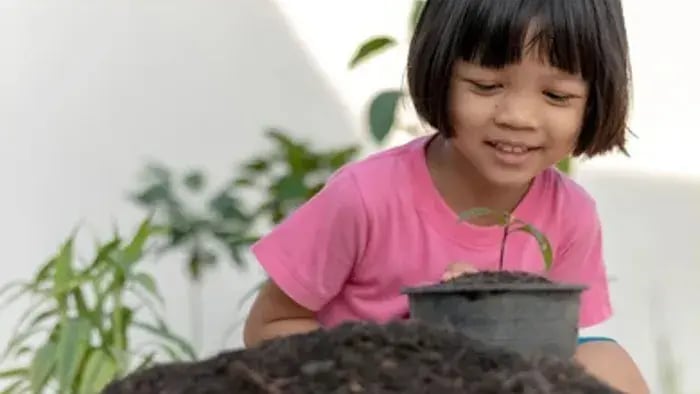
Through gardening activities for kids, they learn how to connect with nature, learn about the life cycle of plants and the importance of biodiversity. Children develop life skills such as nurturing living organisms and understanding the impact of their actions on the environment. Gardening also encourages children to adopt healthy habits, such as eating fresh produce they have grown. Once children learn to garden, they develop lifelong skills and a sense of stewardship towards the environment.
How Does Gardening Help Build Patience in Kids?
1. Waiting for Growth
Children learn that plants take time to grow and flourish, requiring patience to observe the gradual changes from seed to plant.
2. Dealing with Challenges
Gardening teaches resilience as children encounter challenges like pests, weather fluctuations, or plant diseases, requiring patience and problem-solving skills to overcome them.
3. Delayed Gratification
Kids experience the satisfaction of waiting patiently for efforts to bear fruit, literally and figuratively, as they harvest vegetables or enjoy blooming flowers nurtured over time.
4. Learning from Mistakes
Gardening provides opportunities for trial and error, teaching children that mistakes are part of the learning process. They learn to be patient and adapt their approach based on their experiences.
5. Seasonal Cycles
Understanding seasonal changes and the rhythm of nature in gardening reinforces the concept of patience, as different plants require care at specific times of the year for optimal growth.
Other Benefits of Gardening for Kids
1. Improves Mood and Reduces Stress
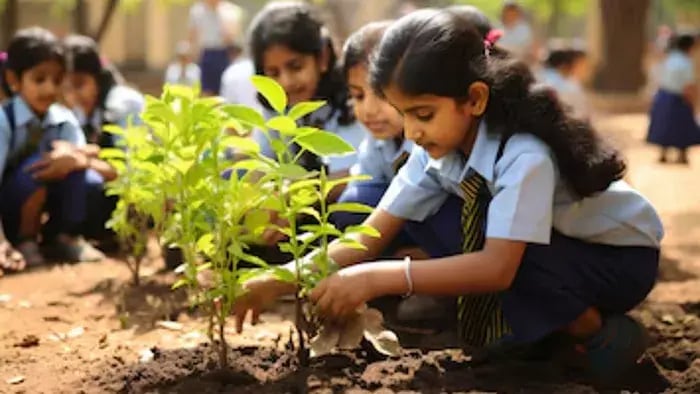
Gardening has been shown to have a positive impact on a child’s mood and overall well-being. Being in nature and engaging in hands-on gardening activities can help reduce stress and anxiety, promoting a sense of calm and relaxation.
2. Gardening is a Form of Exercise
Gardening is a physical activity that requires movement and strength. Digging, pulling weeds, and planting seeds all involve various muscle groups, providing children with a fun and interactive way to stay active and promote healthy physical development.
3. Encourages Healthy Eating
Growing fruits and vegetables in a garden exposes children to fresh and nutritious produce. It allows kids to understand the origins of food and encourages a preference for healthier eating habits.
4. Gardening Teaches Responsibility
Taking care of plants and the garden teaches children to be responsible and helps to develop a sense of ownership and accountability and also inculcates important life skills.
Tips for Gardening with Kids
Maintain a Gardening Diary
Encourage children to keep a diary to track plant growth weekly. This helps them observe and appreciate the gradual progress of plants, creating patience and understanding.
Safety First
Ensure garden safety by keeping sprays and fertilizers out of reach of children. Opt for organic weed killers and fertilizers when possible. Store gardening tools in an easily accessible place and secure fences and gates to prevent accidents.
Protective Gear
To protect children from the sun and pests while gardening, equip them with shaded umbrellas, floppy hats, sunscreen, and insect repellent.
Make It Interactive
Involve kids in all aspects of gardening, from seed selection and planting to watering and harvesting. Let kids explore and discover through hands-on activities.
Teach Sustainability
Teach children about composting kitchen scraps and using rainwater for watering plants. Teach values of sustainability from an early age.
Celebrate Achievements
Celebrate milestones and successes in the garden, whether the first sprout, a bountiful harvest, or a beautifully bloomed flower. This motivates children and reinforces their love for gardening.
Encourage Creativity
Allow kids to express creativity by decorating plant pots, creating garden labels, or making garden art from natural materials like rocks and sticks.
Enjoy the Process
Above all, the joy of gardening and spending time outdoors. Let kids explore and connect with nature, nurturing a lifelong appreciation for the natural world.
Easy Plants for Kids to Start Gardening With
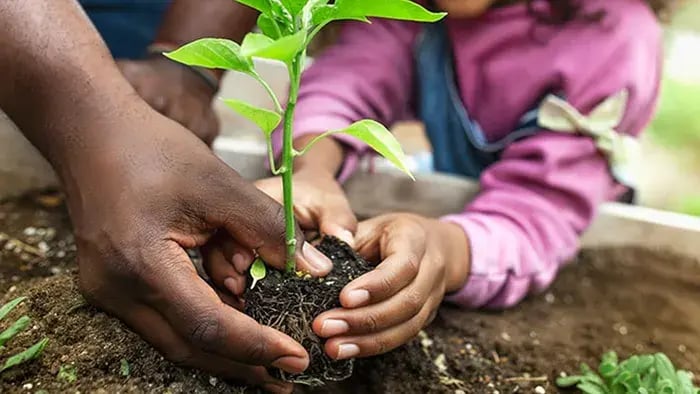
When kids start gardening, they need to plant the ones that are beginner-friendly and grow quickly so that they feel rewarded. Some plants include sunflowers, as they grow quickly and dramatically, cherry tomatoes are easy to tend and satisfying to harvest, beans sprout fast enough to hold a child's attention, and marigolds are hardy, colourful, and nearly impossible to get wrong. Starting with fast-growing options builds early confidence before moving on to more demanding plants.
Conclusion
The patience children build in the garden does not stay just there. Learning to wait for a seed to sprout, work through a setback, or care steadily for something over time are skills that carry directly into schoolwork, friendships, and everyday challenges. A simple patch of soil can teach some of childhood's most valuable lessons.
Frequently Asked Questions
What age is best to start gardening with kids?

Most children can begin simple gardening activities from around age three or four, starting with easy tasks like watering or planting seeds under supervision. As they grow older, they can take on more responsibility, from weeding to full plant care.
What are the easiest plants for kids to grow?
Sunflowers, cherry tomatoes, beans, and marigolds are among the easiest and most rewarding plants for beginners. They grow quickly, are relatively low-maintenance, and give kids visible results within a few weeks, helping keep their interest and motivation high throughout the process.
The views expressed are that of the expert alone.
Popular Topics