




 Parenting Guide


 Child Health & Growth


 Learning & Skills Development


 Food & Nutrition


 Bournvita




Why Carbs Matter for Kids
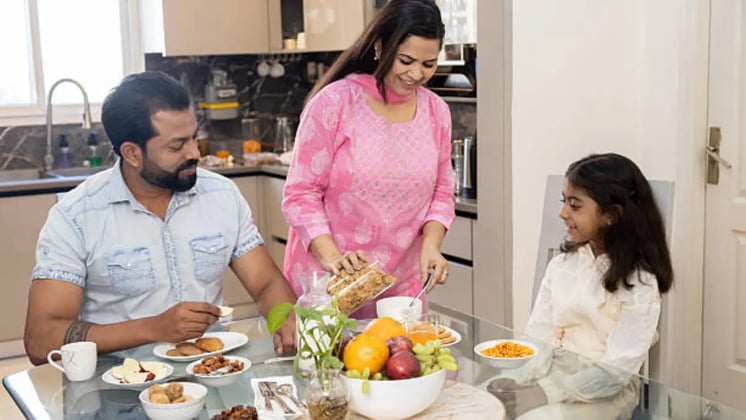
Carbohydrates are often misunderstood, but they are one of the body's main sources of energy especially for growing children. Healthy carbohydrates provide a steady supply of fuel that supports brain development, concentration, learning, and active play throughout the day. Instead of avoiding carbs, the focus should be on choosing wholesome, nutrient-rich sources.

Foods such as whole grains, fruits, vegetables, pulses, rice, roti, oats, and sweet potatoes provide carbohydrates along with fibre, vitamins, and minerals. These foods release energy gradually, helping children stay fuller for longer while supporting growth, focus, and everyday activities.
Good Carbs vs Refined Carbs
Not all carbohydrates are the same. Good carbohydrates come from natural, minimally processed foods such as whole grains, fruits, vegetables, legumes, and pulses. They contain fibre, which slows digestion, provides steady energy, supports healthy digestion, and helps children stay satisfied between meals.
Refined carbohydrates, on the other hand, are processed foods that have much of their fibre removed. Sugary drinks, biscuits, cakes, sweets, white bread, and many packaged snacks provide quick bursts of energy but are often followed by energy crashes. Rather than avoiding these foods completely, aim to enjoy them occasionally while building most meals around wholesome carbohydrate sources. A varied, balanced diet helps children develop healthy eating habits without unnecessary restrictions.
Healthy Carbohydrate Foods for Kids

Rice
According to a study published in Br J Nutr 2015, rice provides easy-to-digest carbohydrates that fuel daily activities. Pair white or brown rice with dal, vegetables, or curd for a balanced, satisfying meal.
Whole Wheat Roti
As per a study published in Nutr Rev. 2021, whole wheat roti provides complex carbohydrates and fibre for slow, steady energy. Serve it with sabzi, dal, or curd for a wholesome everyday meal.
Poha (Flattened Rice)
According to the National Institute of Nutrition, poha is light, easy to digest, and rich in carbohydrates. Add peanuts, vegetables, and lemon juice to make it a balanced breakfast or evening snack.
Sweet Potatoes
As per a study published in Antioxidants (Basel) 2022, sweet potatoes provide complex carbohydrates, vitamin A, and fibre. Roast, steam, or prepare healthy tikkis for a naturally sweet, child-friendly meal.
Bananas
According to the National Horticulture Board, bananas provide carbohydrates, potassium, and fibre for quick, natural energy. They're perfect for school tiffins, sports snacks, or breakfast.
Oats
As per a study published in J Food Sci Technol 2013, oats contain complex carbohydrates and fibre that release energy gradually. Serve them with milk, fruits, and nuts for a filling breakfast.
Dalia (Broken Wheat)
According to ICMR, dalia is rich in complex carbohydrates and fibre while being easy to digest. Prepare it as a savoury vegetable porridge or a lightly sweetened breakfast with milk.
Chickpeas (Chana)
As per a study published in Nutrients 2016, chickpeas provide carbohydrates, protein, and fibre. Boiled chana or colourful chana salad makes a nutritious snack that keeps children fuller for longer.
Rajma (Kidney Beans)
According to the Directorate of Pulses Development, rajma provides carbohydrates, protein, and iron. Serve it with rice for a balanced meal that supports energy, growth, and satiety.
How Carbs Fit into a Balanced Diet
Healthy carbohydrates work best when combined with protein, vegetables, fruits, and healthy fats. A balanced plate might include rice or roti alongside dal, paneer, eggs, beans, vegetables, yogurt, or lean meat, creating meals that provide both energy and essential nutrients.
In general, carbohydrates should make up a good portion of a child's meal because they are the body's preferred energy source. Rather than focusing on exact amounts, parents should aim for colourful, balanced meals with a variety of whole foods that support healthy eating and steady energy throughout the day.
Conclusion: Building Energy with the Right Carbs
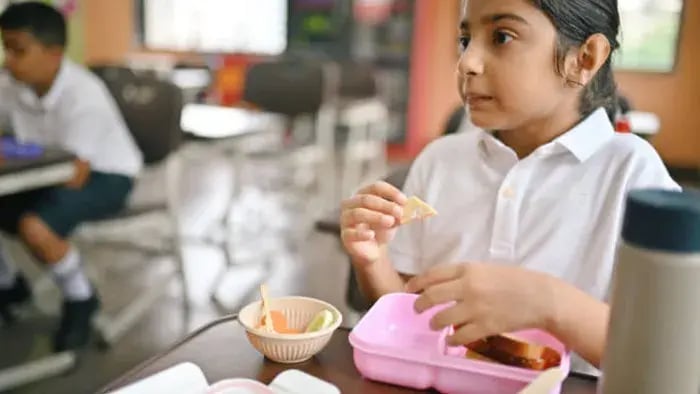
Healthy carbohydrates are an important part of every child's diet. Foods like rice, whole wheat roti, oats, fruits, sweet potatoes, and legumes provide steady energy that supports growth, learning, play, and concentration. By filling your child's plate with wholesome carbohydrates alongside protein, vegetables, and healthy fats, you can help build lifelong healthy eating habits and support their overall well-being.
Frequently Asked Questions
What are good carbohydrates for kids?

Good carbohydrates include whole grains, oats, rice, whole-wheat roti, fruits, vegetables, sweet potatoes, beans, and pulses, which provide fibre and steady energy.
How much carbohydrate does a child need?
Children need enough carbohydrates to support growth, brain function, and daily activities. A balanced diet with a variety of whole-food carbohydrate sources usually meets these needs.
What are the best carb foods for kids?
Some of the best carbohydrate-rich foods for kids include rice, whole-wheat roti, oats, dalia, bananas, sweet potatoes, chickpeas, rajma, fruits, and other whole grains.
Her love for storytelling began with reading her grandfather’s speeches, where Tarishi saw the power of words in creating lasting memories. Combining her passions for food and writing, she has turned her life into a fulfilling path of sharing stories that celebrate flavours and how food brings communities together.
The views expressed are that of the expert alone.
Popular Topics