




 Parenting Guide


 Child Health & Growth


 Learning & Skills Development


 Food & Nutrition


 Bournvita






Introduction
Building a balanced diet for children is about creating daily meals that support growth, energy, and development while respecting individual needs. Some kids thrive on regular dairy, while others need lactose-free options. Some kids manage well with nuts, while others require nut-free meals due to allergies. A balanced diet works when it adapts, not when it restricts.

According to the Dietary Guidelines for Indians-2024, a good diet plan supports physical growth, brain development, and immunity. Carbohydrates provide energy for school and play. Proteins support muscle growth and repair. Healthy fats help brain development. Fruits and vegetables provide vitamins and minerals that support immune function. Vitamin C helps the body absorb iron more effectively, supporting stamina and focus. Calcium supports bone strength and can be obtained from milk, curd, fortified plant milks, or seeds for lactose-intolerant children. Protein sources can shift easily between dairy, pulses, eggs, tofu, or meats based on tolerance.
Food allergies require thoughtful planning, not fear. Nut-free diets can still be rich in healthy fats through seeds, grains, and oils. Lactose intolerance does not mean calcium deficiency when alternatives are used regularly. Reading labels, rotating foods, and keeping meals simple help avoid accidental exposure while maintaining balance.
A balanced diet also depends on routine. Regular meal times improve digestion and appetite. Home-style meals with familiar ingredients help kids eat confidently. Small changes work better than sudden switches. Parents help kids develop healthy food habits by offering variety, respecting limits, and keeping meals calm and predictable.
With practical planning and flexible choices, kids receive the nourishment they need to grow strong, active, and healthy every day.
Practical Planning Tips That Help Parents Build a Balanced Diet for Children
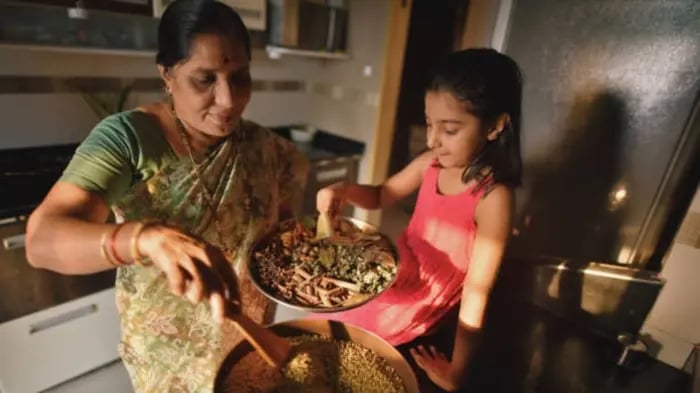
Creating a balanced diet for children becomes easier when planning focuses on flexibility, routine, and inclusion rather than fixed food rules. Parents are building a base diet that can adapt for lactose intolerance, nut allergies, or other sensitivities without losing nutrition.
Balanced planning matters because growing bodies need steady energy, strong immunity, and proper nutrient absorption. Immune-boosting foods work best when meals stay regular and digestion remains comfortable. Simple planning habits help kids eat confidently at home and school.
These 7 planning tips focus on how parents can design balanced diet plans that support development while respecting allergies and intolerances.
Plan Meals Around Food Groups, Not Single Foods
Planning meals by food groups helps cover nutrition without stress. According to FSSAI, each meal can include energy foods, body-building foods, and protective foods. This approach allows easy swaps for allergies. For lactose intolerance, calcium can come from fortified plant milk, sesame seeds, or leafy greens. For nut allergies, seeds and grains are easy substitutes for nuts. Variety supports immunity because different nutrients work together. This method keeps meals flexible and balanced across the week.
Keep Dairy Alternatives Ready for Lactose Intolerance
Lactose intolerance does not limit bone nutrition. Calcium supports bone growth and muscle function and can come from curd alternatives, soy milk, ragi, tofu, or fortified products. According to the National Institutes of Health (NIH), vitamin D supports calcium absorption. Regular intake supports growth and immunity. Including alternatives daily helps avoid gaps. Planning dairy substitutes ahead prevents last-minute food stress and keeps meals balanced and inclusive.
Build Nut-Free Protein Options Into Daily Meals

Protein supports growth, muscle repair, and immunity. According to Eat Right India, nut-free diets can rely on pulses, eggs, dairy alternatives, soy, lentils, meat, or seeds like pumpkin and sunflower. Protein helps kids feel full and focused. Regular protein intake supports stable energy and reduces fatigue. Rotating protein sources through the week ensures nutrient variety.
Maintain Fixed Meal and Snack Timings
Regular meal timing supports digestion and nutrient absorption. Predictable meals reduce overeating and energy crashes. As per a study published in Food Sci Nutr. 2023, stable digestion helps immune cells function better. Fixed snack times support school routines and appetite control. Consistent timing matters more than exact portions. This habit helps kids feel secure and energetic throughout the day, especially during growth phases.
Read Labels and Simplify Ingredients
Label reading helps manage allergies safely. According to FSSAI, simple ingredient lists reduce risk and improve digestion. Fewer additives support gut health, which influences immunity. Familiar foods are easier to tolerate and accept. Planning meals with basic ingredients makes cooking easier and safer. This habit supports confident eating at home and school.
Rotate Foods Across the Week
Food rotation prevents nutrient gaps and reduces boredom. Different fruits, vegetables, grains, and proteins provide varied vitamins and minerals. Research shows that vitamin C helps the body absorb iron better, supporting stamina and focus. Rotation also reduces repeated exposure to allergens. Weekly planning supports balance without daily pressure. This habit strengthens immunity and growth steadily.
Keep Portions Balanced, Not Restricted
Balanced portions support growth and energy. Over-restriction affects mood and appetite. Children need enough fuel for learning and activity. According to Dietary Guidelines for Indians, balanced plates support blood sugar stability and immunity. Listening to hunger cues helps avoid stress around food. This approach builds a healthy relationship with eating and supports long-term development.
Conclusion

A balanced diet for children grows from thoughtful planning, not strict rules. Parents support development by focusing on variety, safe alternatives, and regular routines. Simple, flexible diet plans help kids with allergies or intolerances grow strong, energetic, and confident every day.
Her love for storytelling began with reading her grandfather’s speeches, where Tarishi saw the power of words in creating lasting memories. Combining her passions for food and writing, she has turned her life into a fulfilling path of sharing stories that celebrate flavours and how food brings communities together.
The views expressed are that of the expert alone.
Popular Topics