




 Parenting Guide


 Child Health & Growth


 Learning & Skills Development


 Food & Nutrition


 Bournvita






Introduction
Cold winter months bring a stronger focus on warmth, nourishment, and steady energy for growing children. During this season, food plays a bigger role in supporting both physical strength and mental development. When days are shorter and immunity needs extra care, choosing the best foods for kids' growth becomes an important part of daily family routines. With thoughtful planning, parents help children stay active, focused, and healthy through winter.

Research shows that winter foods such as milk, ghee, seasonal vegetables, nuts, and whole grains provide essential nutrients that support bones, muscles, and brain function. Calcium and protein help build strong bones and tissues, while healthy fats support memory and concentration. Iron-rich foods help carry oxygen in the body, keeping children energetic during school and playtime. Vitamin C from winter fruits helps the body absorb iron better and supports immunity naturally.
Parents play a key role by offering warm, freshly cooked meals and encouraging regular eating habits. Simple choices like adding soaked almonds to breakfast, serving vegetable-rich soups for lunch, or including paneer and dal at dinner make daily meals more nourishing. These small steps help children get steady energy without relying on processed snacks.
A healthy winter diet does not need to be complicated. Balanced meals, regular timings, and seasonal ingredients work together to support growth and learning. When parents stay consistent and make nutritious food easily available, healthy eating becomes a natural habit. These everyday food choices help children grow stronger, think sharper, and stay active throughout the winter season and beyond.
7 Winter Foods That Strengthen Growing Bodies and Sharpen Parenting Minds

Cold weather places extra demands on growing bodies, making food choices more important than ever. During winter, parents help kids stay active, focused, and healthy by offering meals that provide warmth, steady energy, and essential nutrients. The best foods for kids' growth during this season support bones, muscles, brain function, and immunity together.
Winter-friendly ingredients are naturally richer in healthy fats, minerals, and vitamins that support children's strength and alertness. Small steps like warm breakfasts, nourishing snacks, and balanced dinners help kids meet daily nutrition needs without stress. These food habits support physical growth, mental development, and stronger immunity throughout winter.
Milk and Homemade Paneer
Milk and paneer are classic winter staples that support height, bone strength, and muscle development. According to research, calcium helps build strong bones and teeth, while protein supports tissue growth and repair. Vitamin B12 supports brain health and concentration. Parents strengthen daily nutrition by serving warm milk at night or adding paneer to sabzi, paratha fillings, or sandwiches. Paneer is easy to digest and keeps kids full for longer, reducing unhealthy snacking. Winter meals with milk-based foods also support immunity, as warmth improves digestion and nutrient absorption. Simple additions like grated paneer in soups or curries make meals richer without changing taste.
Seasonal Green Vegetables
Spinach, methi, and bathua are winter greens packed with iron, folate, and vitamin C. According to the National Institutes of Health (NIH), iron supports oxygen flow in the body, helping kids stay energetic and active. Vitamin C helps the body absorb iron better, improving its benefits. Cooking greens lightly helps retain nutrients while improving taste. Regular inclusion of seasonal vegetables supports immunity, digestion, and brain development, especially during school months when focus and stamina matter most.
Almonds and Walnuts
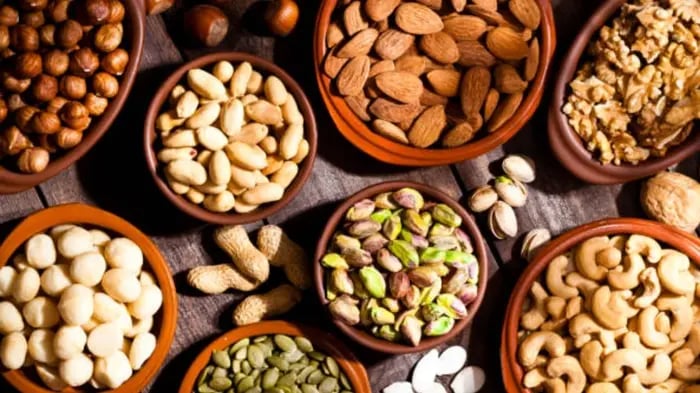
Almonds and walnuts are powerful winter foods for brain development and steady energy. Healthy fats support memory, focus, and nerve function. According to the study published in Curr Neuropharmacol. 2018, vitamin E protects brain cells, while magnesium supports muscle growth. Parents can make them kid-friendly by soaking almonds overnight and serving them chopped with breakfast or adding crushed nuts to porridge. Walnuts pair well with homemade laddoos or smoothies. A small daily portion improves immunity and supports overall growth without overwhelming digestion.
Whole Grains Like Ragi and Oats
Whole grains provide complex carbohydrates that release energy slowly, helping kids stay active longer. Research published in Front Plant Sci. 2017 shows that ragi supports bone strength due to its high calcium content, while oats help maintain digestion and heart health. Parents include these grains through porridge, dosa, or rotis suited for winter mornings. Fiber keeps digestion smooth and supports gut health, which plays a role in immunity. Whole grains also prevent sudden energy crashes, helping kids stay focused during school hours.
Eggs
Eggs provide high-quality protein, vitamin D, and choline, which supports brain development and memory. As per a study published in Nutrients. 2010, protein helps muscle growth, while vitamin D supports bone health. Parents serve eggs boiled, scrambled, or added to warm curries during winter. Eggs keep kids full and provide lasting energy, making them ideal for breakfast or lunch. Regular inclusion supports physical development and mental alertness without complicated preparation.
Ghee
Ghee supports digestion, immunity, and brain health during winter. According to thw National Institutes of Health (NIH), healthy fats help absorb fat-soluble vitamins like A and D, essential for growth. Parents add small amounts of ghee to rotis, rice, or vegetables to improve taste and nutrition. Ghee also provides warmth, supporting joint health and energy levels. Moderation keeps meals balanced while enhancing nutrient absorption naturally.
Winter Fruits Like Oranges and Apples
Research shows that winter fruits provide vitamins, antioxidants, and hydration. Oranges are rich in vitamin C, which supports immunity and helps absorb iron. Apples provide fiber for digestion and steady energy. Parents serve fruits whole, in salads, or lightly stewed for warmth. Daily fruit intake supports skin health, immunity, and brain function while satisfying sweet cravings in a healthy way.
Conclusion

Balanced winter foods play a major role in supporting kids’ physical growth, mental development, and immunity. Parents create long-lasting habits by choosing seasonal ingredients, planning regular meals, and keeping nutrition simple. Small daily choices help kids grow stronger, stay focused, and remain energetic throughout winter and beyond.
Her love for storytelling began with reading her grandfather’s speeches, where Tarishi saw the power of words in creating lasting memories. Combining her passions for food and writing, she has turned her life into a fulfilling path of sharing stories that celebrate flavours and how food brings communities together.
The views expressed are that of the expert alone.
Popular Topics