




 Parenting Guide


 Child Health & Growth


 Learning & Skills Development


 Food & Nutrition


 Bournvita






Introduction
Cold weather often limits outdoor play, but children still need daily movement to stay energetic, focused, and emotionally balanced. During the winter months, reduced sunlight and shorter outdoor playtime can affect mood, appetite, and attention span. This makes indoor physical games an important part of a child’s daily routine. Parents play a key role in helping children stay active indoors without relying on screens or structured workouts.

Indoor physical play supports muscle strength, coordination, and heart health, even in small spaces. Simple movement-based games help release stored energy, improve sleep quality, and support better concentration during study time. Regular physical activity also supports immunity by improving circulation, which helps the body deliver nutrients and oxygen more efficiently. Pairing active play with warm, balanced meals ensures children receive the energy they need to stay strong during winter.
Encouraging indoor movement does not require special equipment or long schedules. Small changes such as creating play-friendly spaces, offering short activity breaks, and turning everyday tasks into playful challenges can make movement feel enjoyable rather than forced. Children respond better when physical games feel fun, achievable, and part of normal family routines.
Winter is also a time when screen usage tends to increase. Introducing engaging indoor physical games helps reduce sedentary behavior while supporting physical and mental well-being. With the right approach, parents can help children view indoor movement as a natural and enjoyable part of winter days—keeping energy levels steady, minds active, and bodies healthy throughout the season.
7 Practical Ways Parents Can Encourage Kids to Stay Active Indoors During Winter
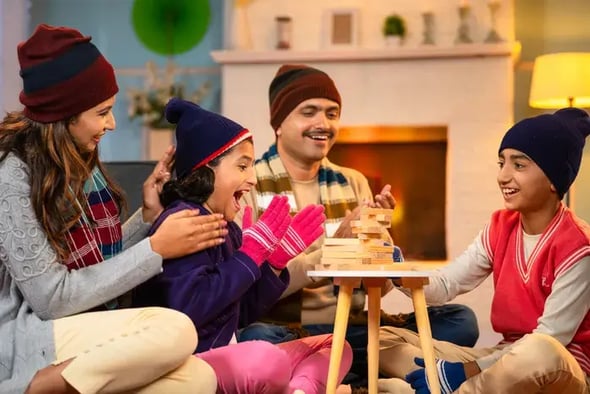
Indoor movement during cold weather can be challenging for kids, so parents play a key role in shaping how children stay active at home. Indoor physical games help children release energy, improve coordination, and maintain focus even when outdoor play is limited. Short, engaging activities spread across the day support muscle strength, balance, and overall immunity by keeping the body active.
Turn Daily Movement Into a Routine, Not a Task
Children respond better when activity feels like a regular part of the day. Parents can schedule short breaks between homework, screen time, or meals. Predictable routines help kids accept movement without resistance. Even 10–15 minutes at a time builds consistency and helps maintain balanced energy levels throughout winter days.
Create a Small “Movement-Friendly” Space at Home
Parents do not need large areas. Clearing a small corner for safe movement sends a strong signal that activity is welcome indoors. A defined space reduces the fear of mess or breakage and gives children the freedom to move confidently during the colder months.
Replace Some Screen Time With Play-Based Challenges
Instead of removing screens completely, parents can offer fun movement challenges as an alternative. Simple reward-based motivation works well in winter when kids naturally feel sluggish. Gradual replacement avoids conflict and builds healthy habits without pressure.
Join In Occasionally to Set an Example
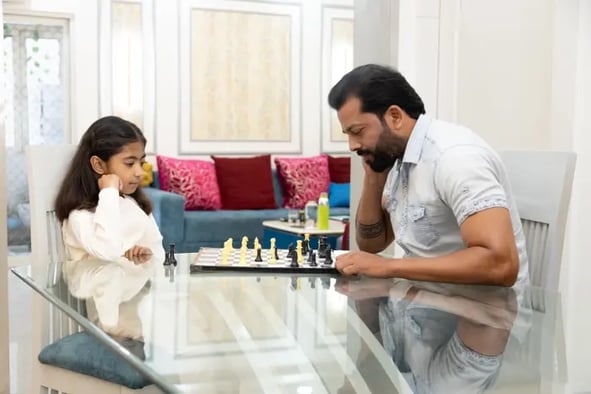
Kids mirror behaviour. When parents participate even briefly, children feel encouraged and valued. Shared activity builds emotional connection and reduces the feeling that movement is a rule. This approach works especially well during gloomy winter evenings.
Use Music, Stories, or Imagination to Spark Interest
Winter boredom often kills motivation. Parents can use music, storytelling, or role-play to make movement exciting. Imaginative play keeps kids active without calling it exercise, which helps overcome seasonal laziness.
Appreciate Effort, Not Performance
Winter activity levels may look different from summer. Parents can focus on effort rather than results. Simple praise boosts confidence and keeps kids willing to stay active indoors even on low-energy days.
Keep Activities Short and Flexible
Long sessions feel overwhelming in winter. Parents can encourage short bursts of movement spread across the day. Flexibility prevents burnout and fits naturally into indoor schedules, helping kids stay active without stress.
Conclusion
Winter does not need to slow children down. With small, thoughtful changes, parents can create an environment where movement feels easy, enjoyable, and natural. Encouragement, routine, and positive involvement help kids stay active indoors while supporting physical health, focus, and emotional well-being throughout the colder months.
Her love for storytelling began with reading her grandfather’s speeches, where Tarishi saw the power of words in creating lasting memories. Combining her passions for food and writing, she has turned her life into a fulfilling path of sharing stories that celebrate flavours and how food brings communities together.
The views expressed are that of the expert alone.
Popular Topics