




 Parenting Guide


 Child Health & Growth


 Learning & Skills Development


 Food & Nutrition


 Bournvita






Introduction
A homemade paper craft kit can be one of the most thoughtful and actually cool gifts parents can create for kids. It is about sparking little imaginations, giving them the focus, and giving them the joy of making something all on their own. When kids explore paper craft ideas for kids, they feel really proud of turning material into creations.
Making your own kit at home lets kids tailor the DIY paper craft for children to their age and interests. Young kids can have fun with pre-cut shapes and some thick paper, while older kids can get creative with origami, patterns, and all sorts of layered designs. The paper craft project at home helps kids understand responsibility, with kids learning to organize materials and clean up by themselves.

And the most important thing is that it is a great way to bring families together, away from the screens, and get everyone laughing and chit-chatting while they get creative.
Why Are Paper Crafts Activities Great For Skill Development?
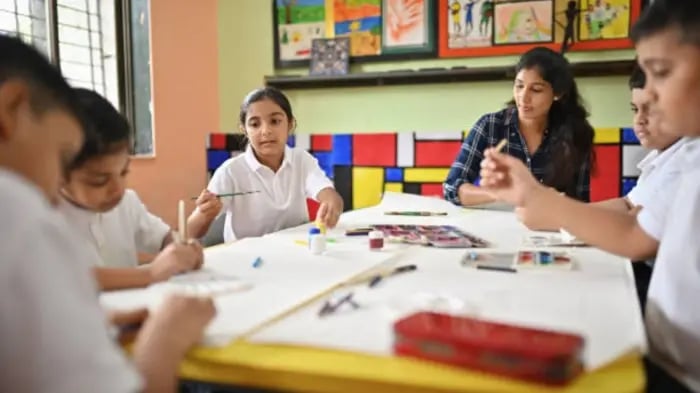
Improves fine motor skills
Cutting, folding, tearing, and pasting paper strengthen small hand muscles. These movements improve hand–eye coordination and prepare children for tasks like writing, drawing, and using tools confidently.
Boosts concentration and patience
Following steps in easy paper craft activities teaches children to slow down, focus on details, and complete tasks from start to finish without rushing.
Encourages creativity and imagination
Open-ended creative paper crafts allow children to explore colours, shapes, and ideas freely, helping them express thoughts and emotions in their own unique way.
Enhances problem-solving skills
When children figure out how pieces fit together or fix small mistakes, they learn to think logically and find solutions independently.
Builds confidence and independence
Completing paper craft projects at home gives children a strong sense of achievement, encouraging them to try new tasks without fear.
Making A DIY Paper Craft Kit At Home
Creating a paper craft kit at home can be one of the simplest yet most thoughtful ways to encourage creativity in your child. It gives them a space to imagine, cut, fold, and design their own colorful world. Unlike store-bought kits, a homemade craft kit feels more personal, tailored to your child’s interests, age, and skill level. It’s also a wonderful way to introduce them to organization and hands-on learning while keeping their screen time in check.
Gather Essential Craft Materials
Start with the basics: colored paper, glue sticks, child-safe scissors, and pencils. Include a mix of plain, textured, and patterned papers to make the kit more exciting. The goal is to give your child enough variety to experiment with shapes and layers. Keep all materials safe, easy to handle, and appropriate for their age.
Include Fun Add-Ons and Craft Extras
Add small decorative items like stickers, buttons, ribbons, or glitter sheets. These extras help children bring life to their creations and inspire imaginative projects. Variety encourages experimentation, allowing kids to explore their own sense of style while crafting.
Use Safe and Age-Appropriate Tools
Select tools that match your child’s abilities. For younger kids, rounded-tip scissors and non-toxic glue are essential. Older kids can use more detailed tools like craft knives under supervision. Always prioritize safety; it keeps the experience fun and worry-free for both of you.
Add Instruction Cards or Simple Project Ideas
Include a few cards with step-by-step instructions for easy crafts like greeting cards, paper flowers, or bookmarks. These act as creative guides when your child needs inspiration. Over time, they’ll start making their own versions, developing confidence and independence.
Organize Everything Neatly
A well-arranged craft kit helps children find what they need without frustration. Use a box with compartments or small pouches for different supplies. Labeling items also teaches them organizational skills and responsibility for their materials.
Personalize the Kit for Your Child
Make the kit special by adding your child’s name, favorite colors, or themes they love, animals, nature, or space. Personal touches make them feel proud and connected to their creative space. It becomes a reflection of their imagination.
Encourage Creative Freedom
Once the kit is ready, let your child take the lead. Resist the urge to guide every step; instead, appreciate their choices and unique ideas. The purpose of a craft kit is not perfection but self-expression. Every folded corner or uneven cut is part of their learning and growth.
Simple Paper Craft Ideas Kids Can Try
Paper Flowers
Cut colored paper into petal shapes and glue them around a circular base. Add a paper straw or rolled stem. This activity teaches layering and symmetry and is one of the most loved easy paper craft activities for beginners.
Paper Butterflies
Fold colored paper in half, cut wing shapes, and decorate with crayons or stickers. Attach a small rolled paper body in the centre. This simple craft encourages creativity and color coordination.
DIY Bookmarks
Cut rectangular strips, decorate with drawings or patterns, and laminate using tape if needed. These paper craft projects at home help children connect creativity with reading habits.
Paper Masks
Cut mask shapes from cardboard paper, add eye holes, and decorate with paint or paper pieces. Attach a string or stick handle. This craft supports imaginative play and storytelling.
Handmade Greeting Cards
Fold paper in half and decorate the front with drawings, cut-outs, or messages. These creative paper crafts teach emotional expression and thoughtful gifting.
Organising Craft Time For Children
Well-planned craft time makes DIY paper crafts for children more enjoyable and stress-free.
- Set a fixed craft corner or table to build routine
- Keep supplies sorted in labelled boxes or trays
- Choose short craft sessions for younger kids to avoid fatigue
- Let children pick from paper craft ideas for kids to feel involved
- Encourage creativity without correcting every step
- End with a simple clean-up routine to teach responsibility
Organized craft time helps children stay focused and excited about paper craft projects at home.
Conclusion
Making a paper craft kit at home is a small effort with big benefits. It supports creativity, emotional growth, and learning, all while keeping children happily engaged. With the right setup and age-appropriate paper craft ideas for kids, crafting becomes a joyful habit rather than a one-time activity.
Through regular easy paper craft activities, children gain confidence, patience, and imagination, skills that stay with them far beyond craft time.
Her love for storytelling began with reading her grandfather’s speeches, where Tarishi saw the power of words in creating lasting memories. Combining her passions for food and writing, she has turned her life into a fulfilling path of sharing stories that celebrate flavours and how food brings communities together.
The views expressed are that of the expert alone.
Popular Topics