



 Parenting Guide


 Child Health & Growth


 Learning & Skills Development


 Food & Nutrition


 Bournvita





Introduction
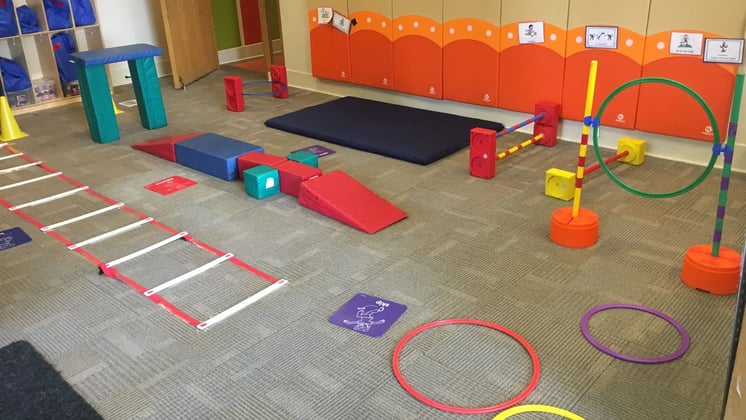
Regular physical activity is an important part of overall health, especially for growing children. According to a 2022 report card by the Journal of Exercise Science & Fitness, being active not only improves a child's physical health but also offers cognitive and emotional benefits, such as improving attention span and mental well-being. Also, as growing kids require a lot of energy, it is good to channel it into physical activities from time to time to provide a healthy outlet and emotional regulation. However, most Indian kids do not meet the basic requirement of being physically active on a regular basis.
The truth is, children are hardwired for movement, and stifling that natural urge does not just make them restless. It affects their focus, sleep, as well as overall mood. For working parents, vacation time can be hectic as most are working double shifts (one as an employee and the other as a parent). They often default to the easiest solution: a screen. But reaching for the TV or tablet every time the weather forces your kids indoors is a missed opportunity. Utilise the space you have at home. Your living room, bedroom, or even hallway can be transformed into the best jungle gym or obstacle course your kids have ever had. It is limited only by imagination and perhaps the sturdiness of homely furniture.
Why Indoor Fitness Matters For Kids?
- Kids can stay active all day long with indoor fitness, even if they don't have a lot of room to play outside.
- It makes a perfect controlled space where movement is safe, easy to see, and easy to keep an eye on.
- Structured movements in everyday indoor activities help people get stronger, more balanced, and more fit.
- Kids learn discipline by doing simple things that help them move and coordinate their bodies better.
- Indoor exercise for kids cuts down on screen time by giving people physical tasks to do.
- Active play helps keep your kids' moods steady.
- Kids gain confidence as they learn to solve small problems in places they know through play.
- You work out indoors on a regular basis, which is good for your health in the long run.
Simple Indoor Exercises Kids Can Do Anytime
Warm-Up Exercises
Warm-up exercises get the body ready by relaxing the joints and waking up the muscles. Kids can get fit at home without worrying about getting hurt by doing gentle marching, arm circles, and light twists. These indoor exercises, which can be done anywhere and don't need any equipment, are based on moderate, controlled movement that gets blood flowing and gets kids to work out inside.
Strength Exercises
Strength training uses bodyweight to make you stand up straighter and more stable. Kids can safely work out inside by doing simple squats, wall sits, and push-ups with less force. Kids can get more fit at home by doing short sets that teach them how to control their bodies. These indoor workouts for kids focus on activities that don't require any equipment and help kids feel better about themselves as their muscles get used to them.
Cardio Exercises
Quick, rhythmic movements make your heart rate go up for a short time. High knees, fast feet, and skipping in place are fun indoor exercises that keep things interesting. Kids are more likely to enjoy working out inside if the speed changes often. These fun, no-equipment activities for kids help them get more energy and get in better shape at home by getting them to play actively.
Balance & Mobility Exercises
Slow balancing exercises help you become more aware of your body. Standing on one foot, moving your weight, and slowly reaching in different directions can help you get better at coordinating your movements. Indoor exercises for kids that focus on control help their core stability. These indoor exercises help kids stay healthy at home by giving them fun, relaxing activities that don't require any equipment and improve their posture and flexibility.
10-Minute Workout Plans for Busy Parents
Living Room Obstacle Course
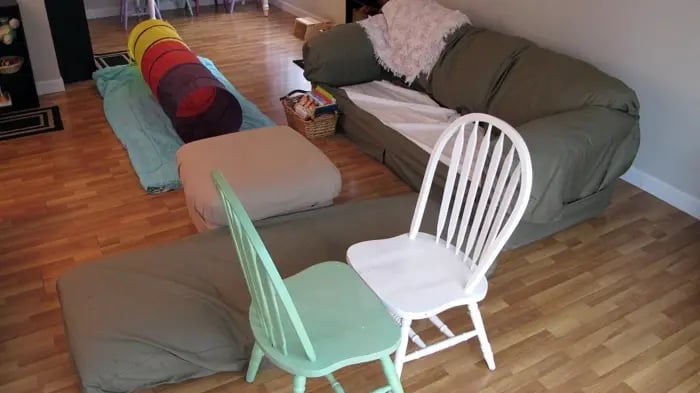
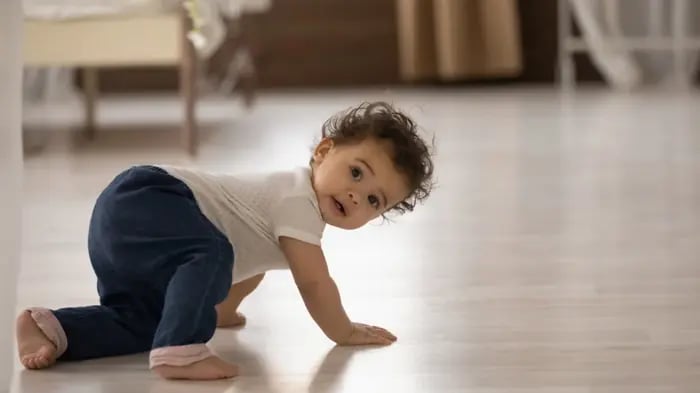
The organized and structured play of an obstacle course is brilliant because it taps into every child’s intrinsic desire for challenge and sequence. After all, it is not just random jumping and scooting. It is a mission for them, just like world-famous spies. The best part? You can build it with things you already have at home, without spending an extra rupee. Here is an example of a simple obstacle course at home.
Start by clearing the path and space of the room. To create a faux laser grid, you can drape a few scarves or wool strands loosely between two chairs at varying heights. Your child must crawl or wriggle underneath, without touching any part of the laser grid. This activity builds core strength and spatial awareness in kids. The next obstacle is a dingy swamp that your child must leap over.
Lay three or four pillows or rolled-up blankets on the floor. Your child must jump from one to the next, sticking the landing on each without stepping on the 'swamp' (the floor in between). This exercise is excellent for balance and instant leg strength. To create a secret escape tunnel from the enemy camp, you can use a pop-up laundry hamper on its side, or even just a long cardboard box.
Your kid will have to navigate through it to freedom. Though it may appear simple, the activity is great for proprioception or awareness of one’s own body in space. Time your children with a stopwatch and encourage them to beat their personal best (PB) on each run. This will transform fun effort into a competitive sport.
Mini Routine Card
- Set up soft hurdles, cushions to crawl under, and a clear zig-zag path.
- Add a “mission start” point and a clear finish line.
- Time every run using a stopwatch so kids chase their PB.
- Keep routes short to maintain focus and reduce clutter.
- Swap the positions of objects every round to increase the challenge.
Deck Of Cards Challenge
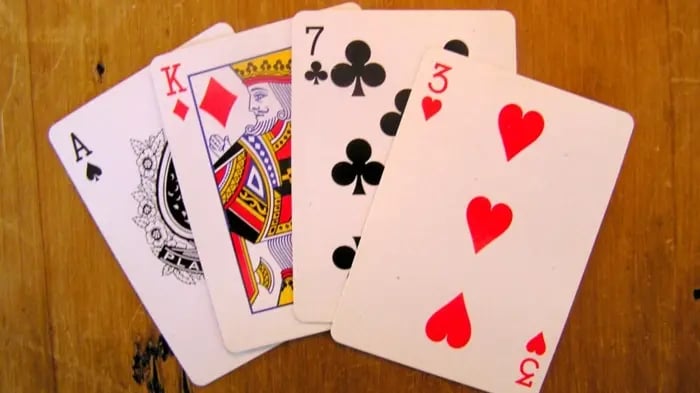
This indoor routine uses a simple deck of playing cards to eliminate predictability, while keeping things fun and ensuring children work their different muscle groups without getting bored. To play this, you need to assign an exercise to each type of card. For example, Hearts are jumping jacks, Diamonds are bear crawls, Clubs are squats, and Spades are mountain climbers.
Each of these exercises is designed to work on core muscle strength along with full-body endurance. The number on the card drawn will determine the number of reps for each exercise. Cards 2 to 10 will equal the number printed. For Jack, Queen, and King, the rule can be 15 reps/ second, while drawing an ace is the ultimate core test, aka a 30-second plank.
Now, you and your children will take turns drawing cards and doing the corresponding exercise. To make it truly enjoyable and engaging, do the exercises with them. When you draw a ten of Spades and have to do 10 Mountain Climbers, you will be surprised how well you can bond over shared exhaustion.
Mini Routine Card
- Assign one exercise to each suit before starting.
- Shuffle the deck thoroughly to remove any predictable pattern.
- Draw one card at a time and complete the reps shown.
- Use face cards for fixed 15-second or 15-rep tasks.
- Make the Ace a stamina finisher like a 30-second core hold.
Jungle Gym
These movements focus on deep-core strength and full-body flexibility, which are critical for injury prevention and posture. This is why a jungle gym is suitable for kids, as they often neglect their posture when slouched over devices. To start the fun routine, try putting on some ambient jungle sounds or nature music. Frame the jungle journey as moving from one jungle clearing to the next, stopping only to perform the animal action. This routine also incorporates traditional yoga poses as well, and according to a 2022 review published by The Indian Journal of Medical Research, yoga provides many physiological and psychological benefits, such as stress reduction and boosting exercise tolerance. Try adding routines like the crab walk or the tree pose to develop upper body and core strength. You can also go for full-body movements such as stomping like a gorilla or rolling over like a crocodile.
Mini Routine Card
- Play soft jungle ambience to set a playful mood instantly.
- Map a simple “path” across the room with three movement stops.
- Perform one animal action at each stop to build imagination plus strength.
- Add a yoga pose between transitions for balance and control.
- Keep the route slow and steady to focus on posture and mindful movement.
5 Tips To Make Indoor Workouts Fun
- Create short activity circuits that shift every few minutes so children stay alert during indoor exercise for kids sessions without feeling overwhelmed.
- Add simple visual cues like coloured spots or soft lines to make simple movements into little games.
- Play music with a steady beat to help kids naturally keep up with the pace while keeping the room lively.
- Give kids the chance to pick one movement for the session to help them feel like they own it and are involved.
- Celebrate small wins to keep things consistent and make the routine feel more rewarding than like a chore.
Mistakes To Avoid During Kids’ Indoor Fitness
- Avoid long, continuous routines that drain attention and reduce willingness to join indoor exercise for kids the next time.
- Don't add steps that are too complicated and need too much instruction, because this slows down the flow and limits natural movement.
- Not doing warm-ups can make you stiff and make your movements less smooth.
- Quick changes between exercises can be confusing, especially for younger kids who need clearer instructions.
- Not having a consistent schedule makes it harder to form habits and takes away the structure that kids need to make steady progress.
Conclusion: Building Consistent Fitness Habits
Indoor exercise for kids offers controlled, safe movement when space or weather limits activity. Outdoor exercise supports exploration, fresh air and natural terrain that builds different skills. Both environments strengthen fitness in unique ways, and balancing them helps children develop consistency, confidence and healthier routines throughout the week.
People Also Ask
How to keep kids active indoors?

Making short, structured routines helps keep kids interested and keeps them moving. Mixing stretches, balance exercises, and fun drills keeps kids' energy levels stable during indoor exercise sessions. Changing up simple tasks keeps things interesting and encourages consistency, which makes it easier to do indoor activities every day without needing a lot of space or equipment.
What are some home exercises for kids?
Kids can get good exercise indoors by doing simple things like marching, balance holds, squats, stepping patterns, and light agility tasks. These movements help with coordination and body control while keeping routines the same. Short circuits keep kids interested, which makes home workouts easy and useful for getting exercise every day.
How long should kids exercise?
Experts say that kids should move around for at least 60 minutes every day. This time can be broken up into shorter sessions to fit into their schedules. Combining play, stretching and structured drills helps maintain rhythm during indoor exercise for kids. Short bursts of activity throughout the day make it easier to stick to your goals.
Kaushiki Gangully is a content writing specialist with a passion for children's nutrition, education, and well-being. With more than five years of writing experience and a science-based background, she provides nuanced insights to help families raise happy, healthy kids. Kaushiki believes in making learning and healthy eating fun, empowering parents with practical, easy advice.
The views expressed are that of the expert alone.
Popular Topics