




 Parenting Guide


 Child Health & Growth


 Learning & Skills Development


 Food & Nutrition


 Bournvita




Introduction
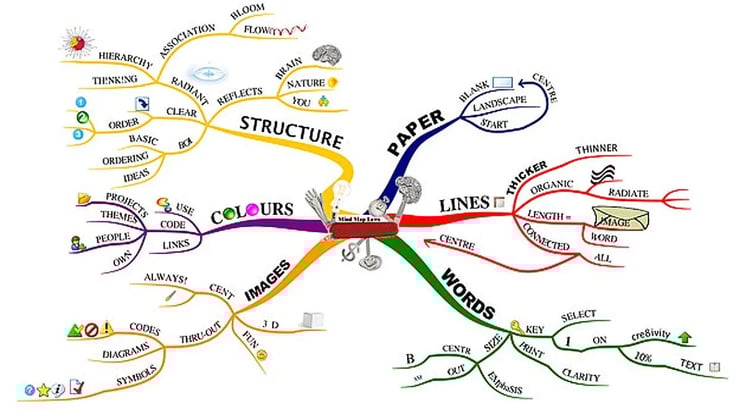
Mind mapping techniques for students can make learning easier by turning large amounts of information into simple visual structures. A mind map starts with a central topic and uses branches to connect related ideas, keywords, colors, and images. Instead of memorising long paragraphs, students can organise information in a way that makes relationships between concepts easier to understand and recall. From revising science topics and learning vocabulary to planning essays and managing daily tasks, mind maps can be useful across different subjects. They also make study sessions more interactive and can help students approach complex topics with greater clarity and confidence.
Why Mind Mapping Helps Students Learn Better?
The importance of mind mapping goes beyond making notes look organised. It can help students break complicated information into smaller, connected sections, making topics easier to review.
Mind maps can support memory retention because students actively organise and connect information instead of simply reading it. They can also make relationships between different ideas easier to spot. For students who feel overwhelmed by lengthy notes, a visual overview can make revision feel more manageable and reduce study-related stress.
Innovative Mind Mapping Techniques Every Student Should Try
Mind maps can help students organise their thoughts and make complex topics easier to understand. Here are some simple techniques they can try.
Brainstorming Mind Map
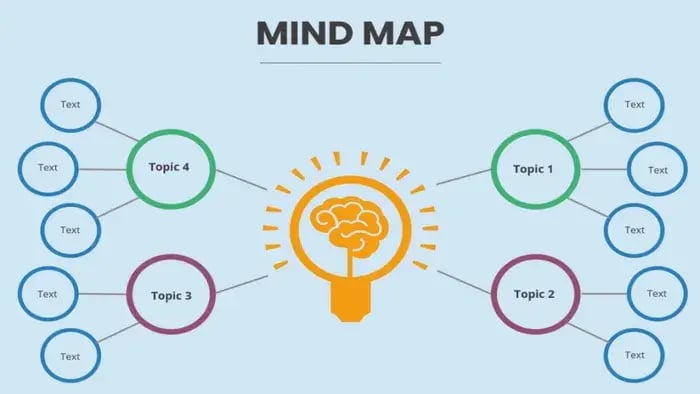
A brainstorming mind map helps students break a broad topic into smaller, related ideas. For example, for the human body, the central topic can branch into organs, tissues and cells. Each of these can then be divided further into specific examples and functions. This hierarchical approach helps students see how different parts connect and remember related information more easily.
Vocabulary Mind Map
Learning new words becomes easier when students connect them with words they already know. Place the new word at the centre and add branches for its meaning, synonyms, related words and an example sentence. Students can also add a small drawing or familiar association. This makes vocabulary more relatable and gives them multiple ways to recall the word later.
Time Management Mind Map
Students can use a mind map to organise their daily tasks and priorities. Start with the day's main goal and create branches for schoolwork, revision, activities, breaks and other responsibilities. Important or urgent tasks can be placed closer to the centre. This gives students a visual overview of what needs to be completed and can help reduce procrastination.
Mind Map for Essay Writing
Creating a mind map before writing an essay can help students organise their arguments. Start with the essay topic and create branches for the introduction, main points, supporting examples and conclusion. Students can rearrange ideas before they begin writing, making it easier to maintain a logical flow and avoid changing direction midway through the essay.
Color-Coded Mind Map
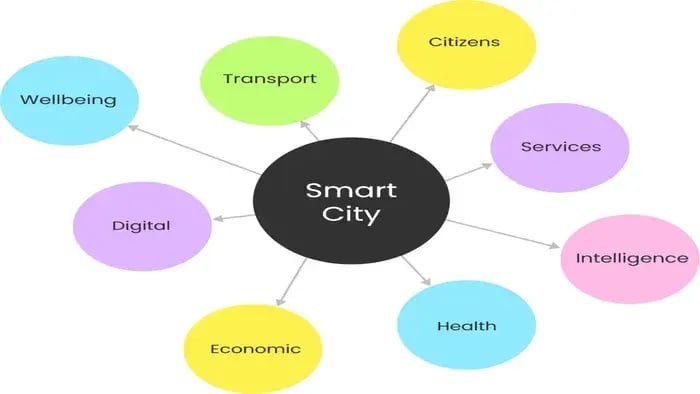
A color-coded mind map divides information using different colors. For example, students can use one color for definitions, another for examples and another for important facts. This can be particularly useful for subjects such as science and geography, where there are many categories and related details. Keeping the color system consistent can make revision quicker.
Visual Mind Map
Visual mind maps combine keywords with symbols, drawings and diagrams. For example, while learning about the human heart, a student can place a heart diagram in the centre and connect its different parts with labels and short notes. Visual associations can make information more memorable and help students recall details when answering questions.
Mind Map for Lecture Notes
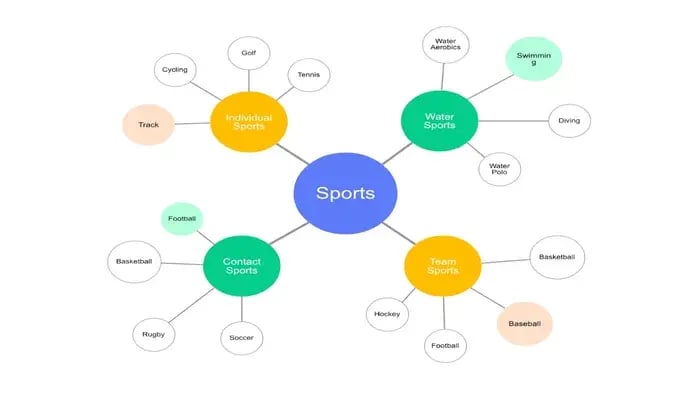
Instead of writing every sentence a teacher says, students can turn classroom information into short pointers. The main topic can go in the centre, with branches for key concepts, examples and important explanations. Highlighting keywords or using small symbols can make the notes easier to scan during revision. This approach can also prevent students from ending up with pages of lengthy notes.
Tips to Get Started with Mind Mapping
Students do not need complicated equipment to start mind mapping. A notebook, colored pens, sticky notes or a digital mind-mapping app can work well.
- Start with one central topic: Write the main subject in the middle of the page.
- Create simple branches: Add the most important subtopics first.
- Use keywords: Avoid filling branches with long sentences.
- Add colors and symbols: Use visuals to separate ideas and make important information stand out.
- Keep it organised: Leave enough space between branches so the map remains easy to read.
- Try one technique at a time: Start with a familiar subject before using mind maps for larger topics.
- Review and update: Add new information to an existing map as you learn more.
Conclusion
Learning can become simpler when students use practical techniques such as mind mapping. By bringing scattered information together through branches, keywords and visual notes, students can understand connections and revise more efficiently. Try one mind mapping technique during the next study session or use one to plan an upcoming essay.
Frequently Asked Questions
At what age can kids start using mind maps for studying?

Children can start with simple mind maps when they can group ideas and understand basic connections, usually during the early school years.
Are digital mind mapping tools better than hand-drawn ones for students?
Neither is automatically better. Hand-drawn maps can encourage active recall, while digital tools make editing and reorganising information easier.
How can mind mapping help with exam preparation?
Mind maps condense key concepts into a visual format, making large topics easier to review and helping students identify connections between ideas.
What's the best mind mapping technique for visual learners?
Visual and color-coded mind maps can work especially well because they combine keywords, diagrams, symbols and colors to represent information.
Her love for storytelling began with reading her grandfather’s speeches, where Tarishi saw the power of words in creating lasting memories. Combining her passions for food and writing, she has turned her life into a fulfilling path of sharing stories that celebrate flavours and how food brings communities together.
The views expressed are that of the expert alone.
Popular Topics