




 Parenting Guide


 Child Health & Growth


 Learning & Skills Development


 Food & Nutrition


 Bournvita





Introduction
Niacin-rich foods are important to help your child stay energized and focused throughout the day. One of the B vitamins, niacin (vitamin B3) is a water-soluble vitamin. This article explains what vitamin B3 really is and why children need it every day. It then goes on to explain how niacin specifically supports energy, brain health, and healthy skin. Here are some practical food sources, including a few accessible everyday Indian ingredients. A special section details the amount of niacin children actually need by age. This article provides parents with a straightforward, practical guide for helping their kids get enough niacin. A varied, balanced diet each day will usually meet children’s needs. Such basic knowledge can help parents identify areas of concern early, before they become problems.
What Is Vitamin B3?

Vitamin B3 (also called niacin) is one of eight essential B-complex vitamins. It is the primary player in breaking down foods into energy that can be used daily . Niacin also contributes to the health of the skin, digestion, and the nervous system throughout the body. Niacin is water-soluble, so the body does not store it for later use. So children need to have a secure daily intake through their food. A mild deficiency can result in fatigue, mouth sores, or skin rashes. It is rare to see severe, long-term deficiencies in children who eat a modern, varied diet. If these mild symptoms are detected early, parents can make quick dietary modifications for their child. A varied diet of meat, grains, and legumes will usually prevent any deficiency.
How Does Vitamin B3 Help Your Children?
Now that you know what vitamin B3 is and why it is essential, you need not wonder how it helps your children and in what aspects. Read below:
1. Helping Your Kids Stay Energetic
It is no surprise that vitamin B3 helps your kids stay more energetic and focused because of the proper distribution and metabolization of Vitamin B nutrients in the body. Vitamin B nutrients are majorly responsible for creating energy from various foods.
2. Enhances Brain Health

Vitamin B3 is also responsible for various nervous system functions and supports your child with various biochemical elements. It supports approximately 400 biochemical functions in the body, essential for everyday lifestyle and immunity.
3. Provides Smooth Skin
Sometimes, fixing a good diet with proper nutrients can also resolve allergies and rashes in the exterior body. Having a good meal plan for your kid, which provides the daily dose of vitamin B3, can fix the problem of regular rashes in your kids, promoting smooth skin.
How to Add More Vitamin B3 to Your Child's Meals
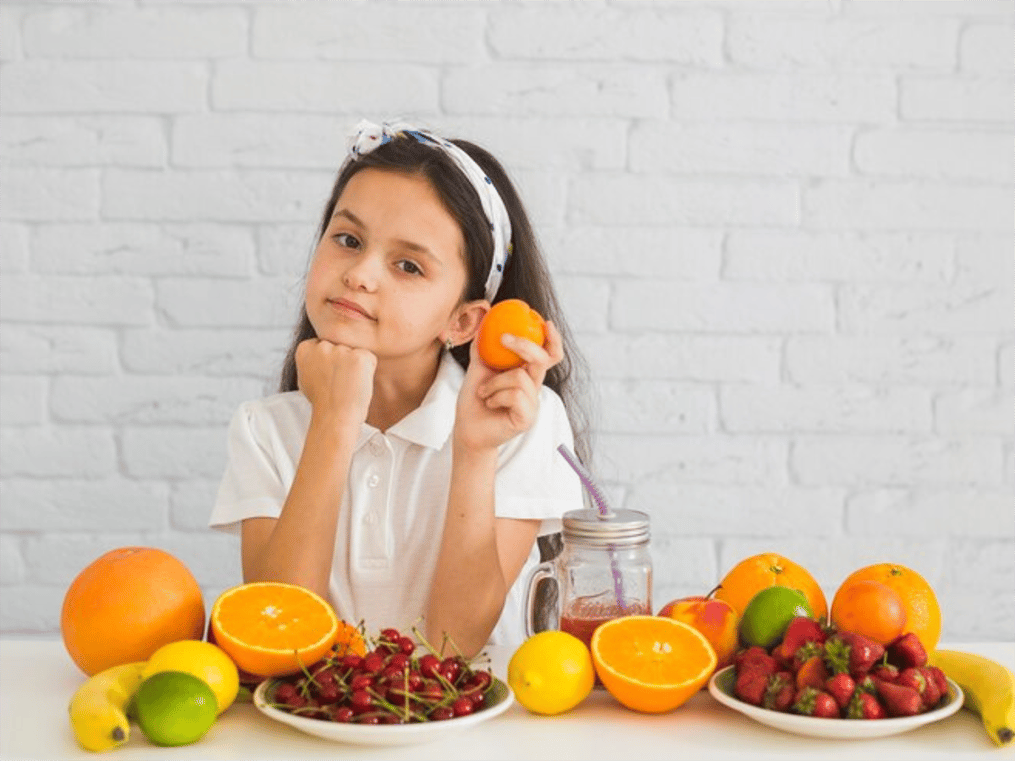
Now that you know vitamin B3 is an essential nutrient for your kids, here are a few ways you can add more vitamin B3 to their diet.
1. Kathal
Kathal, also known as jackfruit, is one of India's most popular summer vegetables. This fruit may be hard to cook when it is unripe, but kids love it. It is also one of the Holi favorites. Kathal can be cooked in many ways, such as kathal curry, kathal kofta, and more. With moderation in ghee or oil, it can be a good and tasty part of your kid’s balanced meals during lunches and dinners, providing lots of vitamin B3.
2. Tomatoes
Tomatoes are an essential ingredient in burgers and sandwiches, which most kids love as a snack. A clever way to induce nutrients in your kid's snacks is to make them something full of tomatoes, providing them with extra B3 nutrients. If you have a picky child and do not want to use raw tomatoes, you can even puree the tomatoes in several types of curry.
3. Green Moong Dal
Green moong dal is another ingredient that is full of vitamin B3 nutrients. You can either make a dal with onions, tomatoes, and garlic in it with the usual tempering, or you can always make green moong dal kebabs and sprout salads to enhance the variety, making your kids eat a healthy snack or a meal.
4. Button Mushroom
It is safe to say that mushrooms are another kid's favorite ingredient containing vitamin B3. They love mushrooms as a snack or a starter. Different preparations can make mushrooms spicy and crispy. They can also be added to various soups to make them heavy and nutritious.
5. Rice
If you are still concerned about ingredients and vegetables due to your kids' picky habits, why not look around for something much more common? Rice has lots of vitamin B3 in it. One cup of rice can ensure your kids get a balanced meal and plenty of vitamin B3.
Recommended Vitamin B3 Intake for Kids
Children’s niacin needs increase with age. Infants younger than six months require about 2 milligrams a day from breast milk. Infants seven to twelve months old need about 4 milligrams a day. Children 1 to 3 years require about 6 milligrams a day. Children 4-8 years of age require about 8 mg a day. Children aged nine to thirteen years need about 12 milligrams daily. Teens aged fourteen to eighteen need between 14 and 16 milligrams daily. Those numbers are a rough guideline, based on recommendations from respected authorities on nutrition. Most children meet these needs easily through a varied, balanced diet.
Conclusion
Vitamin B3 supports a child's energy, brain health, and healthy skin. A mixed diet of jackfruit, mushrooms, and dal usually fulfills the daily requirements. If parents notice any signs that their child may be deficient, they should consult a pediatrician or nutritionist immediately. Eating a variety of meals regularly is the best way to keep niacin levels healthy.
Frequently Asked Questions
What are the early signs of vitamin B3 (niacin) deficiency in children?

Common early signs include fatigue, mouth soreness, and mild skin irritation. Insufficient intake may also cause irritability and difficulty concentrating.
What are the best natural food sources of vitamin B3 for kids?
Good sources of easily available niacin are mushrooms, moong dal, jackfruit, and rice. A wide variety of these foods helps to maintain your daily intake.
Can too much vitamin B3 be harmful for children?
Niacin occurs naturally in many foods, and deficiency is very rare and normally not a problem. But high-dose supplements should only be taken under medical supervision.
Smriti is a content writer who creates clear, practical, and informative content backed by science and relevant data. With a strong understanding of structured writing, she breaks down complex topics into simple, actionable insights. Her work is focused on helping readers prepare, learn, and grow with confidence and clarity.
The views expressed are that of the expert alone.
Popular Topics