




 Parenting Guide


 Child Health & Growth


 Learning & Skills Development


 Food & Nutrition


 Bournvita





Introduction
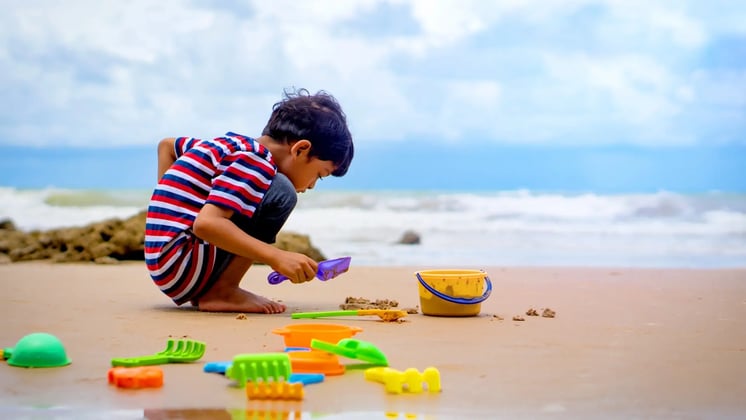
Preschool years are more than simply fun! It's all about finding ways to make learning interesting for your kids. What does it mean to learn through play?
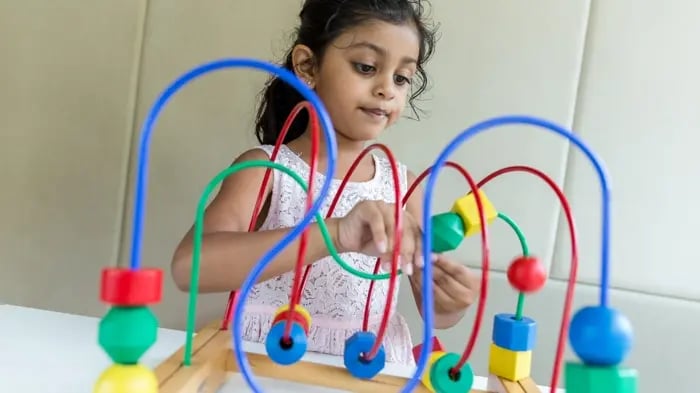
In simple terms, play is an activity that is meant to be pleasant and engaging. It can be different for each person. For instance, an adult might view play as a sport that they want to do or watch, like their favorite game. For toddlers, play can be as simple as rolling around or crawling on the floor. For older kids, play can involve going into a make-believe world where they can be anyone they want to be.
Learning via play is an idea in education that emphasizes how important play is for a child's growth. Here, youngsters learn new things and improve their skills by playing and exploring their surroundings.
5 Advantages Of Play-Based Learning That Can Help Your Child
When it comes to your child's development, play-based learning has several benefits, including:
1. Enhances Intelligence
As children are using their brains to complete actions that require them to learn new skills, play is crucial to their development. While play is a fantastic way to keep youngsters entertained, it also helps your child improve their intelligence. Here's how:
Cognitive Development
As children learn new games, such as puzzles, they are motivated to solve problems by using critical and strategic thinking. Additionally, storytelling stimulates their brains by encouraging them to use their imaginations to create new stories and concepts.
Social And Emotional Intelligence
Playing in groups helps your child acquire language, improve their social skills, and interact with their classmates. They are encouraged by role-playing games to explore their emotional side, adopt a character, and comprehend the viewpoints of others.
Running, jumping, and participating in sports are examples of physical activities that enhance both fine and gross motor skills. On the other hand, exercises like traversing obstacle courses or building blocks foster spatial awareness and reasoning.
Linguistic Development
By exposing your child to new terms, storytelling not only encourages their creative side but also aids in the development of their linguistic abilities. Through communicative play, they even improve their ability to express their feelings and ideas.
2. Increases Attention Duration
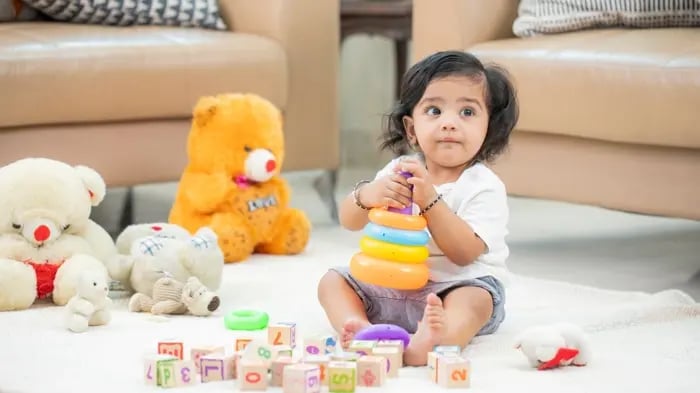
Children who learn through play also benefit from having longer attention spans. This is accomplished by involving children in tasks that inherently encourage concentration, problem-solving, and persistent effort. Here's how:
Deep Engagement
Children stay engaged in an activity for extended lengths of time when play is pleasurable and self-directed. The enjoyable element helps children stay focused, whether they are constructing a tower or completing a challenge. Children frequently experience a "flow state" during play, in which they are totally engrossed in the activity, which improves their focus.
Working Memory
Since playing memory games requires your child to focus and remember specifics, it might help them develop their working memory. Kids' cognitive concentration is strengthened when they play specific games repeatedly because it helps them identify patterns and sequences.
Habit Formation And Adaptibility
Children learn to maintain attention through repetitive play, which progressively enhances their capacity to focus on other tasks. Children gain endurance and adaptability while playing with their classmates, and they discover that losing is a natural part of life. Kids may even evaluate risks and make choices thanks to it, which boosts their self-assurance and decision-making abilities.
3. Lessens Stress
Play is important because it helps children regulate their emotions by lowering stress, releasing tension, and giving them a sense of control over their lives. It can be considered a natural stress reliever for children. Play reduces stress in the following ways:
Emotional Release
Children can safely and constructively express emotions like frustration, anger, or anxiety via play. For example, stress-relieving crafts like molding clay or other crafts can be beneficial. They occasionally cry and laugh while playing, which helps children release endorphins and lower stress chemicals like cortisol.
Awareness
When kids play, they give their full attention to the task at hand, which helps them forget about their problems and cultivate awareness. The mind and body are naturally calmed by quiet activity, such as coloring, playing with sensory objects, or building blocks.
Sense of Control
When playing, children are able to establish their own guidelines and surroundings. They feel more in control and less powerless as a result. Another benefit of play is that it presents challenges and gives children a sense of empowerment and capability to deal with stressors in real life.
4. Improves Bonds with Parents, Friends, and Caregivers
Play is essential to childhood because it gives children a fun method to develop emotional bonds with their friends and caretakers. Children receive a strong message when their parents participate in these fun times: "You are loved." In addition to strengthening the link between parents and children, this shared happiness creates opportunities for improved communication as parents learn more about their child's environment.
Furthermore, it is frequently an indication of developing friendships and a way to cement social bonds when kids engage in rough-and-tumble play with their classmates. An observational study conducted by the National Council of Educational Research and Training (NCERT) highlights that unstructured physical play in early years strengthens peer relationships, supports emotional expression, and helps children build cooperative behaviours essential for healthy social development.
5. Academic Ready
For young children, play also has the benefit of preparing them for academic success later in life. It functions by fostering the abilities necessary for academic success. They acquire important executive skills like language, social interaction, and memory. These abilities set the stage for pre-reading skills, which are essential for literacy.
Research from the India Early Childhood Education Impact Study shows that early learning environments that incorporate playful, exploratory activities significantly enhance school readiness, including language, cognitive, and social skills.
Conclusion
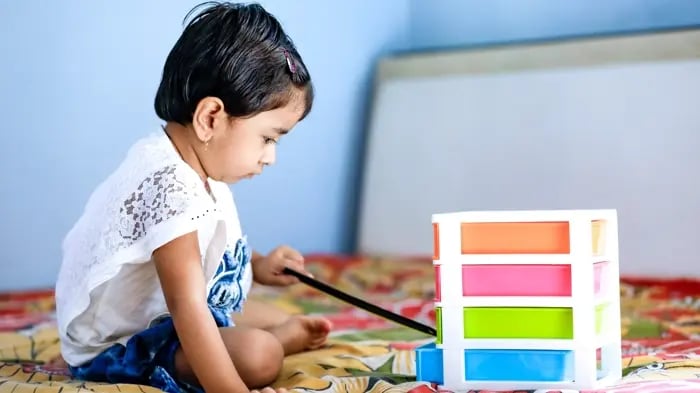
Preschool is a child's first introduction to the outside world. It is the perfect environment for creating the foundation for a child's future achievement. Preschool gives kids a solid foundation in social, emotional, physical, intellectual, and life skills that will help them excel in school and beyond.
Smriti is a content writer who creates clear, practical, and informative content backed by science and relevant data. With a strong understanding of structured writing, she breaks down complex topics into simple, actionable insights. Her work is focused on helping readers prepare, learn, and grow with confidence and clarity.
The views expressed are that of the expert alone.
Popular Topics