



 Parenting Guide


 Child Health & Growth


 Learning & Skills Development


 Food & Nutrition


 Bournvita





Introduction
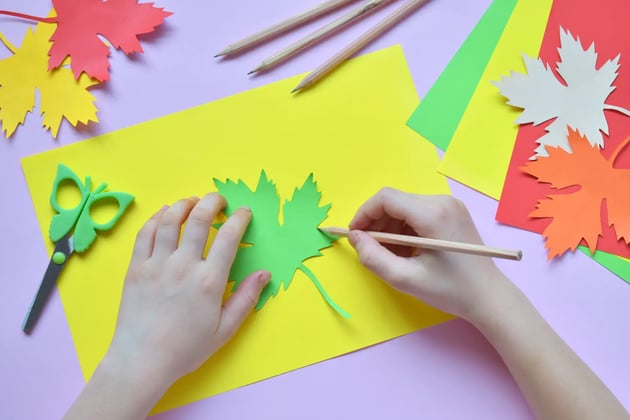
Leaf painting activity is a fun and interactive way to introduce children to nature with the development of creativity. Children love going outdoors and collecting leaves in different shapes and sizes to use for decorating different artworks. This activity is apt for all age groups because the requirements are minimal, yet possibilities are endless for artistic expression. With the help of leaf painting, parents and teachers can make learning exciting for their kids while giving them essential skills in a very practical way through playing. And the best thing about it is no two leaves are alike; no two pieces of art will be alike. From home, from school, or from nature camps, it sparks curiosity and patience and builds closer ties to the environment. Here are some exciting leaf painting activities for children that will ignite their imagination and creativity.
Why Is Leaf Painting Great For Child Development?
Creativity and Imagination
Leaf painting will encourage children to experiment with color, patterns, and composition. It will provide them with an opportunity to choose how they should arrange and design their artwork. This will be a good time to foster the imagination and creative thinking of a child. This activity will make them think of something unusual.
Refines Fine Motor Skills
From the tiny paintbrush in hand to placing a delicate leaf on paper with care, painting leaves is one of the finest ways to hone fine motor skills in toddlers. The overall act of painting, rubbing, and gluing will enhance hand-eye coordination, finger dexterity, and muscle control, which are all critical in writing and daily activities.
Promotes Nature Appreciation
Leaf painting helps children appreciate the beauty of nature by encouraging them to look at leaves closely, their textures, colors, and intricate patterns. This process makes children appreciate the environment and cultivate curiosity about plants, trees, and seasons.
Cultivates Patience and Concentration
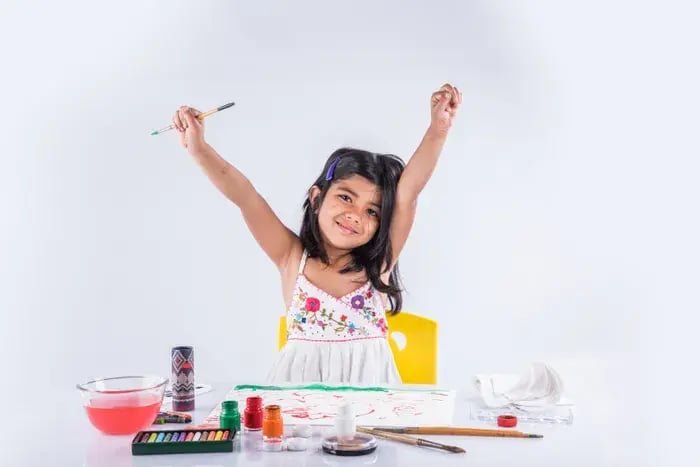
The whole process of leaf painting, from gathering leaves to preparing materials and designs, requires patience and concentration. Children learn to pay attention to details and to be persistent while working on their creations. Such a skill spills over into other areas of learning and everyday activities.
Introduce Scientific Concepts
This is the opportunity with which parents and teachers can introduce even the most scientific idea of seasonal change and diversity of plants with the help of leaf paintings to learn about different types of leaves, why leaves change color, and how plants contribute to the ecosystem.
Essential Materials for Leaf Art
Best Paints to Use
| Paint Type | Suitability for Kids | Key Benefits |
| Tempera Paint | Highly recommended | Washable, vibrant, and safe for most painting using leaves activities |
| Poster Paint | Ideal for beginners | Thick consistency helps create bold prints and clear leaf patterns |
| Finger Paint | Best for younger children | Non-toxic and sensory-friendly, supports tactile exploration |
| Watercolor | Suitable for older children | Encourages blending and subtle detailing on leaf surfaces |
| Acrylic Paint | Only with supervision | Produces strong colors but less washable, better for advanced work |
Choosing the Right Leaves
| Leaf Type | Characteristics | Best Use in Art |
| Broad Leaves | Large surface area, visible veins | Ideal for bold prints and patterns |
| Small Leaves | Compact and detailed shapes | Suitable for intricate designs and layering |
| Textured Leaves | Deep veins and ridges | Enhances stamping effects in nature art with leaves |
| Soft Fresh Leaves | Flexible and moist | Prevents cracking during paint application |
| Avoid Dry Leaves | Brittle and fragile | Difficult to paint and prone to breaking |
Technique 1: Leaf Printing & Stamping
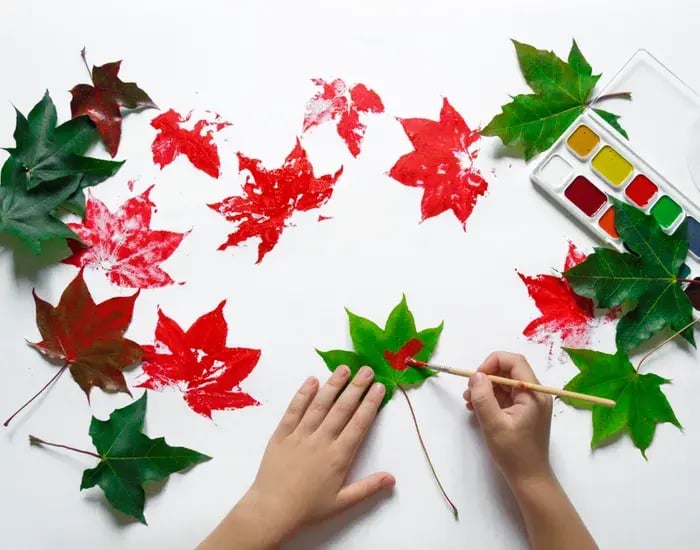
Leaf printing is a fun way to create colorful artworks. Kids can paint the vein side of a leaf and press it onto a sheet of paper to make a print. Different leaves produce different patterns, making each artwork unique. Encourage the children to use a mix of bright colors or seasonal themes to enhance their designs. This activity teaches children about symmetry, patterns, and artistic composition while keeping them engaged in the creative process.
Step-by-Step Instructions
- Select fresh leaves with clear veins, as they create sharper patterns during leaf painting for kids.
- Apply an even layer of paint on the vein side using a brush or sponge.
- Place the painted leaf carefully on paper without moving it to avoid smudging.
- Press gently with fingers to transfer the pattern, then lift slowly to reveal the print.
- Repeat with different colors and leaves to build creative designs in nature art with leaves.
Technique 2: Painting Directly on Leaves
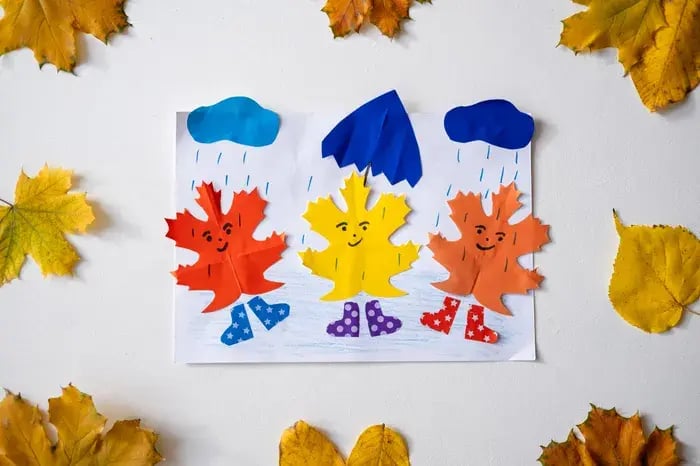
Encourage children to use markers, colored pens, or glitter glue and draw directly onto the leaves. They can give the leaves funny faces, different animals, and different personalities by adding eyes, patterns, and details. This activity draws together with nature-inspired artwork, giving an excellent opportunity for kids to put their own personalities into their drawings. It further enhances hand-eye coordination and facilitates the detailed observation of shapes and textures.
Tips for Vibrant Colors
- Clean each leaf gently before painting, as dust or moisture can reduce color brightness and adhesion.
- Use markers or pens with strong pigmentation, since light inks may not appear clearly on darker leaf surfaces.
- Apply colors in thin layers instead of heavy strokes, allowing details to remain sharp and visually appealing.
- Combine contrasting shades thoughtfully to highlight patterns, helping designs stand out in painting on leaves.
- Allow each layer to dry slightly before adding new details, ensuring colors remain crisp without blending unintentionally.
Technique 3: Leaf Silhouettes & Negative Space
This simple yet fascinating activity allows children to reveal the intricate details of a leaf's veins and texture. Place a leaf under a sheet of paper with the vein side facing up. Have your child gently rub a crayon or colored pencil over the paper and watch as the leaf’s pattern emerges. Encourage them to experiment with different colors and types of leaves to create stunning effects. This activity enhances their fine motor skills and helps them appreciate nature’s details.
Technique 4: Painting With Leaves
Painting with leaves introduces children to stamping and brush-free techniques that strengthen creativity and coordination. In leaf painting for kids, leaves act as natural tools, allowing children to dip edges or surfaces into paint and create unique strokes on paper. This method supports sensory exploration, as varied textures produce different visual effects, encouraging experimentation and curiosity. Using multiple leaf shapes during a leave activity helps children understand patterns, repetition, and spatial arrangement while developing fine motor control. According to the Harvard Center on the Developing Child, hands-on creative activities support cognitive flexibility and problem-solving skills in early childhood.
How to Preserve Your Leaf Art and Hold An Exhibition?
After completing their leaf painting projects, children can display their work by creating a nature-themed exhibition at home or in school. Parents and teachers can help them create a mini gallery where each child showcases his best artwork. This exhibition not only builds confidence but also encourages children to take pride in their creative efforts. They can even photograph their artwork and create a digital gallery to share with family and friends.
- Let leaves dry naturally before starting, as excess moisture can damage leaf paintings for kids' creations.
- Press finished leaves between book pages for a few days to maintain shape and prevent curling.
- Apply a thin layer of clear glue or sealant to protect colors during the painting using leaves projects.
- Store artworks in a dry place away from sunlight to avoid fading and brittleness.
- Use laminated sheets or frames to safely display nature art with leaves without damaging delicate surfaces.
Conclusion
A leaf painting is an interesting activity in which children can stick dried leaves to a sheet of paper in the shape of animals or an abstract design. They could be asked to imagine how to make a leaf into a butterfly, fish, or even a house. The entire process not only helps a child think creatively but also helps them improve their decision-making when they are making different arrangements and placements.
Frequently Asked Questions
What kind of paint do you use on leaves?

Washable poster paint and watercolors work best for leaf painting for kids because they spread evenly across the leaf surface without cracking once dry. Acrylic paint works for painting on leaves as a canvas, but requires sealing afterwards to prevent flaking across the finished artwork.
How do you press leaves for painting?
Place fresh leaves between two sheets of newspaper, stack heavy books on top, and leave undisturbed for five to seven days. Pressed leaves used for nature art with leaves lie completely flat, making them ideal for detailed “painting using leaves” projects where curled edges would otherwise disrupt clean paint transfer onto paper.
Is acrylic paint safe for children?
Most water-based acrylic paints labeled non-toxic are safe for children above three years during supervised leave activity sessions. Always check the label for non-toxic certification before use. For younger children or extended painting on leaves projects, washable poster paint remains the safest and most skin-friendly option available without compromise.
Deepali is a senior food and wellness writer with over a decade of experience in top media houses, crafting engaging narratives. She is a professional home baker and loves exploring food from every corner of the world to reading cookbooks. She believes a healthy lifestyle is a combination of both mental and physical fitness. Her goal always remains to keep moving, eating seasonal and practicing gratitude.
The views expressed are that of the expert alone.
Popular Topics