




 Parenting Guide


 Child Health & Growth


 Learning & Skills Development


 Food & Nutrition


 Bournvita





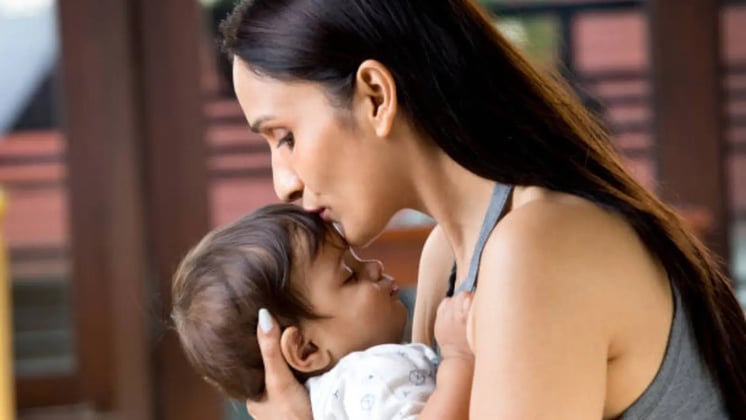
Childhood and adolescence are full of big changes that shape the mind, body and personality. From the first smile of a newborn to the growing independence of a teenager, each stage has its own milestones and challenges. Growth is about emotional maturity, learning skills, and building connections that last a lifetime.

The stages of growth are seen as stepping stones, each one preparing a child for the next. Infancy lays the foundation with rapid physical and sensory development. Toddler years bring curiosity and motor skills. Early childhood opens the door to imagination, language, and friendships, while middle childhood strengthens learning and confidence. Adolescence, across pre-teen and teenage years, is when the body changes and self-identity starts to form.
For parents and carers, understanding these stages is important because it helps them support children at the right time. Knowing what to expect allows families to celebrate small wins and address challenges in a positive way. Every stage matters and together they make up the whole journey of growth that turns a child into a confident young adult..
Why Understanding Development Stages Matters?
You need to know how kids grow emotionally, socially, cognitively, and physically to help them stay healthy. Kids go through different stages as they grow up. These stages change how they think, act, and learn. Every stage has its own skills, needs, and problems. When teachers and caregivers know about these patterns, they can better respond instead of making assumptions or having unrealistic expectations.
Adults who know about the stages of child development can better understand that some behaviors are normal for their age and not a problem. For example, it's normal to have emotional outbursts when you're a kid or want to be independent when you're a teenager. If you don't understand this, you might think that normal developmental behaviors are disobedience or a lack of discipline, which could lead to unnecessary stress or conflict.
Knowing how fortes grow also helps you learn about your kids better. Kids learn in different ways at different ages, so what works for one group may not work for another. When learning environments are right for kids' developmental stage, they are more likely to feel confident, curious, and motivated than overwhelmed or bored.
Another important reason to understand development is for mental health. Kids who feel supported based on how emotionally mature they are are better at handling stress, talking about their feelings, and building resilience. Adults who know how to handle emotions can help kids through tough times by being understanding instead of judging.
Knowing the stages of development can help you get better results in the long run. It helps caregivers see possible delays early, give help when it's needed, and help strengths grow as they do. Kids feel better about themselves, have better relationships, and learn how to deal with problems better when they are given expectations and support that are right for their age.
7 Step-by-Step Stages of Growth and Development Every Kid and Teen Goes Through

Every child’s journey from birth to young adulthood is a fascinating mix of physical changes, emotional growth, and mental development. Each stage has its own set of milestones, preparing kids and teens for the challenges and opportunities ahead. These stages not only shape the body but also build confidence, independence, and the ability to connect with others. For parents, understanding these phases helps provide the right care and encouragement at the right time.
Early Childhood Development Stages: Infancy (0–2 Years)
During this stage, rapid physical development takes place, babies grow taller, gain weight, and learn to sit, crawl, and eventually walk. According to UNICEF, the brain also develops quickly, helping them recognize faces, sounds, and patterns. Emotional attachment forms through bonding with parents and caregivers, which becomes the basis of trust and security later in life.
Infancy focuses on rapid physical growth and early brain development. Babies learn to recognise caregivers, form emotional bonds, and respond to sensory experiences. This stage builds the foundation for trust, communication, and basic movement.
Milestones:
- Sits, crawls, stands, and begins walking
- Recognises faces, voices, and familiar routines
- Develops babbling, first words, and gestures
- Forms attachment to caregivers
Responds to sounds, colours, and touch
Toddlerhood (2–4 Years)
Toddlers explore their surroundings with endless curiosity. According to the Centers for Disease Control and Prevention CDC, they refine motor skills like running, jumping, and climbing while beginning to express themselves through language. This is the stage when independence shines, as children want to do things on their own, feeding themselves, choosing toys, or insisting on small decisions.
Toddlers gain independence through movement, language, and exploration. Curiosity expands as they try to do tasks on their own. Social skills begin forming as they learn choices, boundaries, and basic problem-solving.
Milestones:
- Runs, jumps, climbs, and improves coordination
- Builds simple sentences
- Shows preference for toys and activities
- Learns self-feeding and dressing basics
- Demonstrates early emotional expression
Growth Stages In School-Age Kids: Early Childhood (4–7 Years)
According to UNICEF, children at this stage enter preschool or early school, where they begin structured learning. Their imagination flourishes through play, stories, and drawing. Socially, they start forming friendships, learning teamwork, and understanding the difference between right and wrong. Emotional skills like sharing and empathy also begin to develop.
Early childhood strengthens imagination, language, and early social behaviour. Children begin school routines, develop friendships, and learn the basics of cooperation and empathy.
Milestones:
- Draws shapes, writes letters, and follows instructions
- Engages in imaginative play
- Understands rules and group activities
- Builds friendships
- Recognises right and wrong
Middle Childhood (7–11 Years)
Research conducted by the National Academies Press in 1984 shows that this stage focuses on academic skills such as reading, writing, and problem-solving. Children gain independence in schoolwork and daily activities, building confidence in their abilities. They also begin to compare themselves with peers, which makes encouragement from parents and teachers very important for healthy self-esteem.
Middle childhood is focused on academic skills, logical thinking, and growing independence. Children become more confident in schoolwork and daily responsibilities while gaining social awareness.
Milestones:
- Reads, writes, and solves structured problems
- Takes responsibility for homework and chores
- Understands teamwork and competition
- Develops self-esteem through achievement
- Compares abilities with peers
Pre-Adolescence (11–13 Years)
The body starts preparing for puberty, with physical and hormonal changes slowly appearing. A study published in the National Academies Press in 2019 shows that emotional changes include mood swings and a growing awareness of self-identity. Friendships become more meaningful, and peer influence increases. This is also the stage when children start seeking more independence from parents.
Pre-adolescence brings early physical and emotional changes. Children become more aware of self-identity, friendships deepen, and the need for independence grows.
Milestones:
- Early signs of puberty
- Mood shifts and emotional sensitivity
- Increased interest in social groups
- Stronger personal opinions
- Begins seeking privacy and autonomy
Early Adolescence (13–15 Years)
Puberty is in full swing during these years, leading to rapid growth in height, voice changes, and development of secondary sexual characteristics. As per the study published in the Indian J Med Res in 2014, teens become more conscious of their appearance and personality. This stage often includes a search for independence, along with the challenge of balancing schoolwork, emotions, and social relationships.
Early adolescence includes visible puberty changes, stronger self-expression, and developing personal identity. Teens struggle to balance academics, emotions, and expanding social life.
Milestones:
- Rapid physical and hormonal changes
- Heightened self-consciousness
- Exploration of interests and identity
- Need for independence
- Managing school pressure and friendships
Late Adolescence (15–18 Years)
By this stage, physical growth slows, but emotional and cognitive maturity take center stage. According to the WHO, Teens begin planning for the future, exploring career interests, and taking on greater responsibilities at home and school. Independence is strong, but guidance from parents and mentors helps them make balanced decisions and handle stress in healthy ways.
Late adolescence focuses on emotional maturity, future planning, and stable identity formation. Decision-making improves as teens prepare for adulthood.
Milestones:
- Stronger problem-solving and judgement
- Planning careers or higher education
- Increased responsibility at home and school
- Building long-term friendships
- Greater emotional stability and self-awareness
Supporting Children Through Each Stage
Making Things Safe And Reliable For Young Children
Kids need their caregivers to help them learn basic skills and give them emotional support when they are young. When kids have regular routines, caregivers who respond to them, and a safe place to play, they learn to trust and believe in themselves. At this point, learning through play and emotional support help kids learn to talk, move, and connect with others.
Let Kids Explore And Say What They Want
Kids learn and grow when they can ask questions, explore, and say what they think and feel as their curiosity grows. During this time, support means letting people know that their feelings are valid, encouraging creativity, and giving them simple choices. These things help kids learn how to talk to other people, be on their own, and understand their own feelings.
Gaining Confidence And Skills
School is where kids learn the rules, make friends, and get better at their schoolwork. Giving balanced advice, constructive criticism, and realistic goals is what support means. Encouraging kids to work hard instead of being perfect boosts their confidence and helps them have a good attitude toward learning and facing problems.
Helping Kids Grow Up Emotionally And Socially In Early Adolescence
At this stage, people are often more aware of their feelings, more aware of other people, and better able to figure out who they are. When kids can talk about their feelings, set respectful boundaries, and feel heard, they can handle changing feelings and friendships better. Too much control can make you less confident and less able to make decisions.
Assisting Teens Become Responsible And Independent
Teenagers who are older want to be independent and have a purpose, but they still need help. Getting them ready for adulthood means teaching them to be responsible, set goals, and talk to each other with respect. During this time of change, emotional support that is always there, and independence helps people become more resilient, responsible, and confident.
Conclusion

The seven stages of growth and development highlight how children and teens evolve step by step, building on each phase to prepare for the next. From infancy’s foundation years to late adolescence’s leap into adulthood, each stage shapes the body, mind, and character in unique ways. For parents, recognizing these stages provides opportunities to nurture, encourage, and celebrate progress. Every milestone, no matter how small, is part of the larger story of growing up strong, confident, and ready for the future.
People Also Ask
What are the stages of child development?

Child development occurs in stages that feel like mini power-ups: infancy develops trust and basic skills, early childhood fosters language and curiosity, middle childhood enhances reasoning and independence, and adolescence deepens identity and emotional depth. Every stage changes how children interact, think, feel, and behave in the world.
Her love for storytelling began with reading her grandfather’s speeches, where Tarishi saw the power of words in creating lasting memories. Combining her passions for food and writing, she has turned her life into a fulfilling path of sharing stories that celebrate flavours and how food brings communities together.
The views expressed are that of the expert alone.
Popular Topics