




 Parenting Guide


 Child Health & Growth


 Learning & Skills Development


 Food & Nutrition


 Bournvita





Vitamins are essential nutrients required by the body for proper bodily functions and health. One particularly important vitamin is vitamin B12, which plays an important role in many processes in the body. Vitamin B12 helps in making DNA and red blood cells, helps in correct working of the nervous system, and it also makes sure the body uses fats and carbohydrates for energy.
There are several reasons why vitamin B12 is so important to overall health.
First, it helps prevent a type of anemia that makes people feel tired and weak. Second, it supports heart health. Third, it is crucial for brain and nerve health. It helps protect nerve cells. Fourth, B12 aids digestion by helping produce stomach acid needed to break down food and absorb nutrients.
Lastly, B12 is important for pregnancy and growth. It helps with the development of the baby and the creation of DNA. A lack of B12 in pregnant women can lead to health issues for the baby.
It's important to remember that if you are following a plant-based or vegetarian diet, obtaining sufficient vitamin B12 may require additional supplementation into your meals. The body's vitamin B12 stores can last for years before deficiency sets in, but over time, a lack of this nutrient can lead to health issues.
As important as it is to consume vitamin B12-rich foods, it is equally difficult to find natural sources of this essential vitamin. That's because vitamin B12 is naturally present almost exclusively in animal foods. Foods like eggs and dairy products contain vitamin B12, but plant-based foods typically do not unless boosted. Some excellent sources of vitamin B12 include salmon, tuna, yogurt, milk, eggs, soy milk, breakfast cereals, and yeast extracts that have vitamin B12 added to them.
Why is Vitamin B12 Important?
Vitamin B12 is an essential nutrient that supports a child’s growth, energy, and overall health. It plays a major role in forming healthy red blood cells, which carry oxygen throughout the body and help prevent tiredness, weakness, and fatigue. This vitamin is also important for brain development and proper nervous system function, helping children stay focused, active, and mentally alert during their growing years.
Vitamin B12 also helps the body convert food into energy by supporting the metabolism of fats and carbohydrates. It contributes to DNA production, which is necessary for cell growth, repair, and development. Since the body cannot produce vitamin B12 on its own, children must get it through foods or supplements.
Although many parents search for vitamin B12-rich fruits or a fruit that has b12, fruits generally do not contain this vitamin in significant amounts. However, fruits can support digestion, immunity, and nutrient absorption when paired with vitamin B12-rich foods such as eggs, dairy products, fortified cereals, yogurt, and fish. This is especially important for vegetarian children who may need fortified foods or supplements to meet their daily vitamin B12 requirements for healthy growth and development.
Health Benefits Of Vitamin B12
Vitamin B12 supports many important body functions that help children stay active, healthy, focused, and energetic during growth years.
Supports Energy Levels
Vitamin B12 helps convert food into energy, reducing tiredness and helping children remain active throughout school, sports, and daily activities.
Promotes Brain Development
This vitamin supports memory, concentration, and learning abilities by helping the brain and nervous system function properly during development.
Maintains Healthy Blood
Vitamin B12 helps produce healthy red blood cells, which carry oxygen throughout the body and reduce the risk of anemia.
Supports Nervous System
It protects nerve cells and supports smooth communication between the brain, spinal cord, and different body parts for healthy functioning.
Improves Heart Health
Vitamin B12 helps regulate homocysteine levels in the blood, which supports cardiovascular function and overall heart health in children.
Aids Growth and Development
This nutrient supports DNA synthesis, cell repair, and body development, making it essential during childhood growth years.
Top 7 Vitamin B12-Rich Fruits Your Kids Will Love
Parents are always trying to find creative ways to get their kids to eat healthily. Vitamin B12 is an important nutrient that supports healthy energy levels and brain function. Here are some delicious vitamin B12-rich fruits to add to your kid’s diet.
Mango
Mangoes are packed with beneficial vitamins, minerals, and fiber that make them a nutritious fruit. Vitamin B12 is a nutrient important for red blood cell production and neurological function in the body.
Bananas
Bananas also contain about 0.9 micrograms of vitamin B12 per 100 grams. Vitamin B12 aids in energy metabolism and DNA synthesis. Make smoothies or shakes and serve to your children.
Oranges
Oranges contain around 0.4 micrograms of vitamin B12 per 100 grams. The vitamin B12 in oranges supports psychological function and helps maintain healthy skin and hair. Whip up some fresh orange juice or add it to the fruit salad and serve it to the kids.
Apple
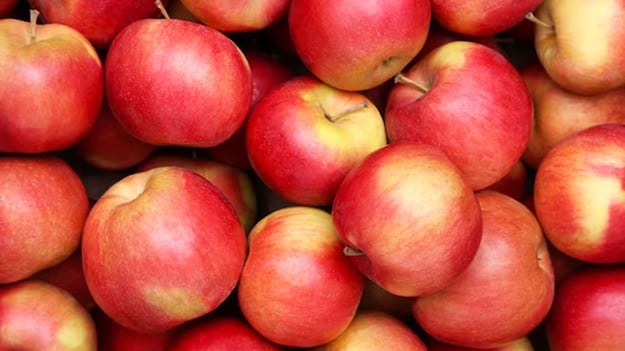
Apples are packed with vitamins, minerals, and antioxidants that provide many health benefits. Most notably, vitamin B12 is an essential nutrient that plays an important role in overall well-being. Apple pie, juice or a shake are options to give your children.
Dry Fruits
Almonds and peanuts are great sources of vitamin B12, healthy fats, and protein. They also offer other nutritional benefits, making it a great addition to a well-rounded diet.
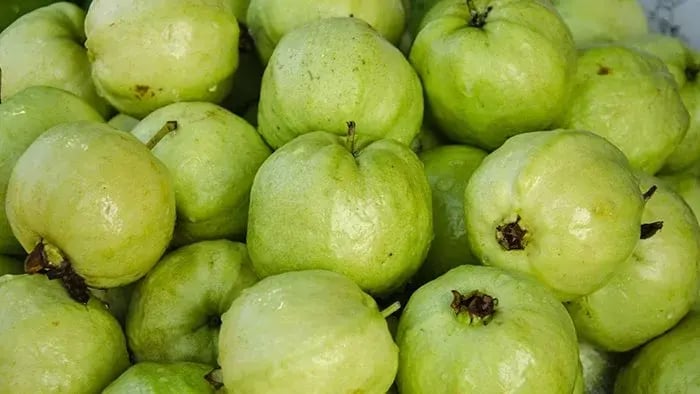
Guava
Introduction
Guava is a rich source of vitamin B12. In just one cup of fresh guava, you'll find 1.2 micrograms of vitamin B12 – that's a full 50% of the recommended daily intake. Guava is an excellent choice for boosting your kid's vitamin B12 levels, which are essential for maintaining energy.
Pomegranates
Pomegranates are an excellent source of vitamin B12, a vital component for maintaining healthy blood and nerve function. Consuming pomegranates on a regular basis can help boost energy levels and support cognitive function. It can be enjoyed in juices, smoothies, salads, and a variety of other dishes.
Strawberries
Strawberries are not considered vitamin B12-rich fruits, but they provide vitamin C and antioxidants that support immunity and overall wellness. Vitamin C may also help improve nutrient absorption when consumed with foods rich in B12. Add strawberries to smoothies, yogurt, cereals, or healthy snacks for children.
Kiwi
Kiwi is not a fruit that has B12, but it contains fiber, vitamin C, and nutrients that support digestion and gut health. Better digestion helps the body absorb nutrients efficiently. Kiwi can be added to fruit bowls, smoothies, salads, or lunchboxes for a refreshing option.
Blueberries
Blueberries are not included among vitamin b12 rich fruits, but they contain antioxidants that support brain function and protect cells from damage. These nutrients may help improve concentration and memory in growing children. Serve blueberries with oatmeal, pancakes, smoothies, or yogurt for a healthy snack.
Conclusion
Consuming the correct amount of vitamin B12 is necessary for maintaining healthy blood, neurological activity, DNA production, and energy levels. With proper intake through a balanced diet, vitamin B12 helps ensure the body and mind remain healthy.
Frequently Asked Questions
What foods are high in B12 for kids?

Foods rich in vitamin B12 include eggs, milk, yogurt, cheese, fish, chicken, fortified cereals, and fortified soy products. These foods help support energy, brain function, and healthy growth in children.
How to increase B12 in a child?
Parents can increase vitamin B12 intake by including dairy products, eggs, fortified foods, and doctor-recommended supplements if needed. Vegetarian children may especially benefit from fortified foods.
Do fruits contain vitamin B12?
Most fruits do not contain vitamin B12 in meaningful amounts. Many people search for vitamin B12-rich fruits or fruits that have B12, but fruits primarily support health through vitamins, antioxidants, and fiber.
Why is vitamin B12 important for kids?
Vitamin B12 supports brain development, red blood cell production, nerve function, energy levels, and healthy growth during childhood.
How can vegetarian kids get vitamin B12?
Vegetarian children can obtain vitamin B12 from milk, cheese, yogurt, fortified cereals, fortified plant-based milk, and supplements recommended by healthcare professionals.
Her love for storytelling began with reading her grandfather’s speeches, where Tarishi saw the power of words in creating lasting memories. Combining her passions for food and writing, she has turned her life into a fulfilling path of sharing stories that celebrate flavours and how food brings communities together.
The views expressed are that of the expert alone.
Popular Topics