




 Parenting Guide


 Child Health & Growth


 Learning & Skills Development


 Food & Nutrition


 Bournvita




Introduction
Many parents are bound to wonder what nutrients are required for a child's healthy growth. It is no surprise that it becomes incredibly stressful for parents to feed their child an all-round diet of essential nutrients like fat, carbohydrates, proteins, vitamins, and minerals.
Vitamins and minerals are known as macronutrients required in the body in smaller amounts, making sure the child is growing healthy and immune. Similar to vitamins A, B, C, and D, there is also Vitamin E, which is extremely essential for your child's overall growth and development. Keep on reading to know how Vitamin E keeps your children healthy and immune!
Why Your Child Needs Vitamin E
Immunity Booster
Vitamin E is one of the strongest fat-soluble antioxidants that the body needs. It protects immune cells from oxidative damage and helps a child's immune system learn how to fight infections more effectively. As a main source of vitamin E in the diet, it directly influences how well a child's T-cells, B-cells, and natural killer cells perform during illness exposure. Making consistent dietary intake genuinely non-negotiable rather than a nutritional nicety for growing children. The Indian Council of Medical Research states that Indian children who don't get enough vitamin E have trouble making immune cells, which makes them more likely to get sick when they go to school all year long.
Skin And Eye Health
Vitamin E shields the fragile cell membranes of skin tissue from oxidative damage caused by things like sun exposure, pollution in the air, and the stress that rapid childhood growth puts on developing organ systems at the same time. Vitamin E and vitamin A work together to protect the retina from free radical damage. This helps school-age children develop their eyesight, which they need for reading, screen time, and physical activity all day long. The All India Institute of Medical Sciences says that getting enough vitamin E as a child helps keep the cornea healthy. It also lowers the oxidative stress that comes with early-onset eye problems that are becoming more common in Indian children with diets low in nutrients.
How Much Vitamin E Does Your Child Need? (RDA Chart)
According to the National Institute of Nutrition India, the recommended daily allowances for vitamin E across childhood are as follows:
| Age Group | Daily Vitamin E Requirement |
| 1 to 3 years | 6 mg per day |
| 4 to 8 years | 7 mg per day |
| 9 to 13 years | 11 mg per day |
| 14 to 18 years | 15 mg per day |
Top Vitamin E-Rich Vegetables for Kids
Spinach (Palak)
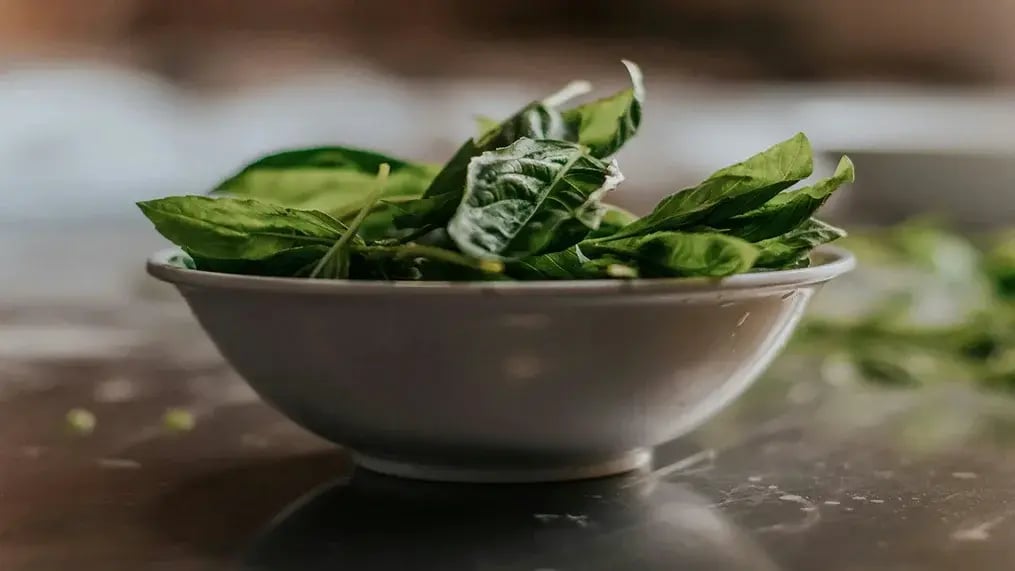
When it comes to green leafy vegetables, spinach or palak is the most popular kind in India. Spinach can be made into very tasty dishes and smoothies. It provides essential nutrients for your child in an overall sense, helping them grow healthy. Spinach has lots of Vitamin E, along with other vitamins and minerals. Adding a cup of pureed spinach to your child's curry will help them tremendously. Also, one can make palak pakora or palak paneer which every kid loves.
Sweet Potato
Sweet potatoes have about 0.26 mg of vitamin E per 100 grams, along with beta-carotene, potassium, and complex carbohydrates. This makes them one of the most complete E vegetables for kids who need long-lasting energy and a lot of micronutrients in one food. Vitamin E and beta-carotene work together to protect cells from oxidative damage more effectively than either nutrient can do on its own when taken as a supplement. The Indian Council of Medical Research states that sweet potato is a good food for Indian babies to eat when they are weaning because it has all the vitamins and minerals they need. It is easy to digest, and is naturally sweet, which makes it more likely that young children will eat it.
Pumpkin
Many kids don't like pumpkins, but pumpkins are nutritional powerhouses. They contain essential nutrients for kids and lots of Vitamin E. A clever way to hide pumpkin in your child's food is to puree them and then add them in different dishes. Pumpkin has no taste of its own besides it gives a little bit of sweetness and creaminess to the curries you plan to make.
Broccoli
In addition to vitamin C, vitamin K, and sulforaphane compounds that help the liver detoxify, broccoli has about 0.78 mg of vitamin E per 100 grams. This is important for growing children who are exposed to environmental pollutants in Indian cities. Parents have a hard time getting their kids to eat E vegetables, but broccoli responds especially well to light stir-frying in olive or groundnut oil instead of boiling. This keeps the vitamin E content that water destroys through leaching and makes the taste better, which kids like better than the softer texture that boiling makes. The National Institute of Nutrition India says that school-age kids should eat cruciferous vegetables like broccoli at least twice a week to get all the micronutrients they need.
Best Vitamin E-Rich Fruits and Nuts
Almonds and Sunflower Seeds
Almonds are the single richest commonly available main source of vitamin E in the Indian diet, delivering approximately 25.6 mg of vitamin E per 100 grams. It means a small daily portion of eight to ten almonds covers a significant proportion of a school-age child's daily requirement without any additional supplementation. Sunflower seeds provide approximately 35.17 mg per 100 grams, making them gram-for-gram the most concentrated foods that have vitamin E in the nut and seed category available through Indian grocery markets at accessible price points. According to the National Institute of Nutrition India, both almonds and sunflower seeds are recommended as daily snack components for Indian children to address the widespread fat-soluble vitamin deficiencies documented across the country's pediatric population.
Avocado and Mango
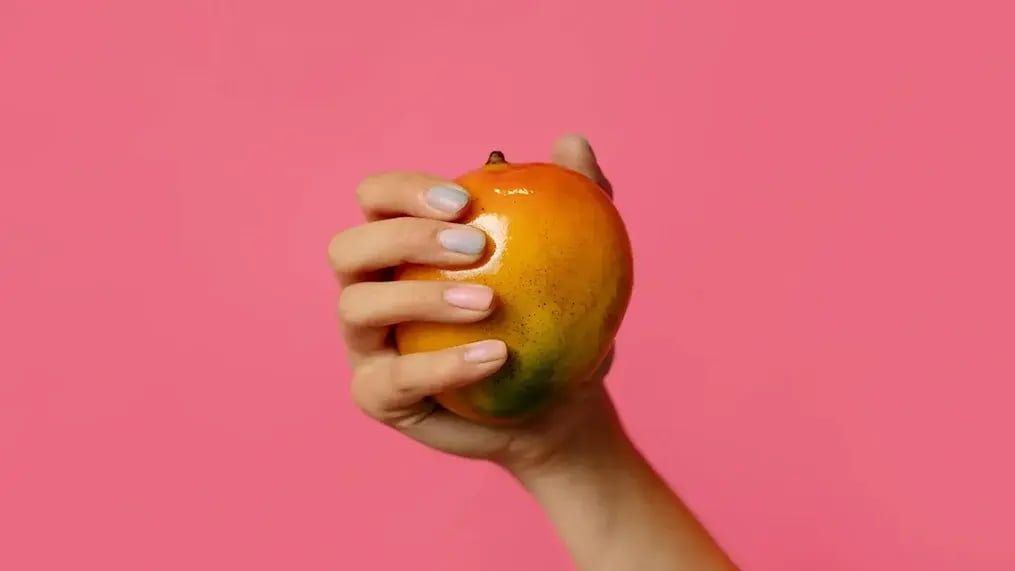
Mangoes are known as the king of fruits for a reason. The national fruit of India is surely sweet and a favorite of everyone. But did you know that not only are these sweet treats full of delicious juices, but they are also very efficient sources of vitamins and minerals? Mangoes are very tasty and are full of Vitamin E. One cup of ripe mangoes can refresh your child and give them the nutrients they need.
Grapes
The little juicy treats that you can feed your kids as a snack or a dessert after lunch comprise lots of Vitamin E. Green grapes, as well as black grapes available in the market, can be extremely efficient in providing your child with Vitamin E. You can not only eat them in your desserts and dishes as garnishes, but you can also make your child eat them as it is.
Anjeer
Anjeer is a common fruit in India, also known as figs. Figs are a nutritional powerhouse full of Vitamin E and other nutrients. These can be eaten ripe but are mostly eaten as a snack when dried. It can be a beautiful addition to your child's dessert, providing them with natural sugar with no external preservatives and a joyful, balanced diet.
Signs of Vitamin E Deficiency
- Repeated minor illnesses can suggest a gap in the Main Source of Vitamin E, as this nutrient helps immune cells respond effectively. Lower intake may reduce the body’s ability to recover quickly from common infections.
- Unusual fatigue during normal activity may occur when foods that have vitamin E are lacking. This happens because cells face higher oxidative stress, which affects overall energy efficiency.
- Blurred vision or sensitivity to light can develop if fruits that contain vitamin E are not included regularly. The eyes rely on antioxidants to protect delicate tissues from damage.
- Skin may appear dull or uneven when intake of vitamin E vegetables is low. This reflects reduced protection of skin cells, which affects texture and natural glow over time.
- Nerve-related discomfort such as slight tingling can arise when E vegetables are missing from daily meals. This occurs due to weakened protection of nerve cells under prolonged deficiency.
Conclusion
Now that you have known that Vitamin E is essential among all the other vitamins, such as A, B, C, K and D. You can now prepare a proper balanced diet for your child, ensuring that they have a sufficient intake of Vitamin E every. Vitamin E is necessary not just in childhood but also through adulthood to fight diseases and build proper immunity to stay healthy as long as human lives.
Frequently Asked Questions
Can I give my child vitamin E supplements?

You should only think about taking supplements for the main source of vitamin E if you have a deficiency. Excess intake may interfere with nutrient balance, so natural foods that have vitamin E are usually preferred for regular consumption.
What is the best vegetarian source of vitamin E?
Almonds, sunflower seeds, spinach, and vegetable oils are the best vegetarian main source of vitamin E. When you eat these vitamin E vegetables regularly, they give you antioxidants that help protect your cells and help you grow.
Does cooking destroy vitamin E in vegetables?
Vitamin E can break down when cooked for a long time, so vitamin E vegetables may have less of it. Light cooking methods help retain nutrients, while raw or minimally processed fruits that contain vitamin E preserve higher antioxidant content.
Smriti is a content writer who creates clear, practical, and informative content backed by science and relevant data. With a strong understanding of structured writing, she breaks down complex topics into simple, actionable insights. Her work is focused on helping readers prepare, learn, and grow with confidence and clarity.
The views expressed are that of the expert alone.
Popular Topics