




 Parenting Guide


 Child Health & Growth


 Learning & Skills Development


 Food & Nutrition


 Bournvita






Introduction

How Does Immunity Work? A Kid-Friendly Guide to the Body's Defense System
Immunity is like an invisible cloak that protects the body every day. It helps kids stay strong against germs, recover faster when they get sick, and continue to play, learn, and grow. From the skin that blocks harmful germs to white blood cells that act like tiny soldiers, every part of the immune system works together to keep the body safe.
It is extremely important to understand what immunity is for parents as well as for kids. Once kids understand what it is, they also get cautious and start acting carefully so that their body is protected. All it takes is simple and healthy habits like eating nutritious foods, staying active, getting enough sleep, drinking plenty of water, and practicing good hygiene to have a good immune system in kids. Read this guide to know more about immune system and some easy ways that can boost immunity in kids naturally.
7 Ways the Immune System Works Like a Superpower
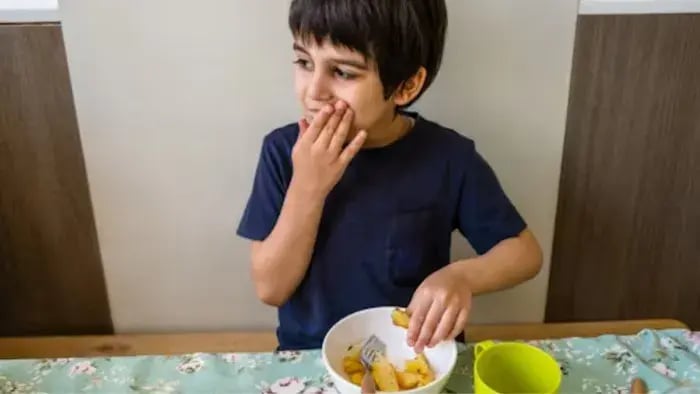
The immune system is the body's natural defense team. It works every day to detect harmful germs, prevent their spread, and protect children from getting sick. Here are seven simple ways that immunity works inside the body.
Skin: The First Protective Barrier
According to a study published in Mediators Inflamm. 2017, the skin acts as the body's first line of defense, preventing most harmful germs from entering. Even small cuts heal because the immune system quickly protects the injured area. Keeping the skin clean and protected helps strengthen this natural barrier.
White Blood Cells: The Body's Soldiers
As per a study published in StatPearls 2025, white blood cells constantly patrol the body, searching for bacteria and viruses. Once they find harmful germs, they work together to destroy them. Healthy food, regular exercise, and enough sleep help these "soldiers" stay strong.
Antibodies: The Body's Memory of Past Germs
According to the Institute for Quality and Efficiency in Health Care (IQWiG) 2006, antibodies help the immune system remember germs it has fought before. If the same germ enters the body again, antibodies respond much faster. This is one reason children often do not get the same illness twice.
Good Bacteria in the Gut
According to the FSSAI, the digestive system contains good bacteria that help fight harmful germs and support healthy digestion. Foods like yogurt, fruits, and vegetables feed these helpful bacteria and keep the immune system working well.
Vaccines: Safe Training for the Immune System
A study published in the Indian J Med Res 2014 shows that vaccines safely train the immune system to recognize and fight diseases. Following the recommended vaccination schedule gives children extra protection against many serious illnesses.
Healthy Daily Habits That Support Immunity
According to the Dietary Guidelines for Indians, simple habits like washing hands, sleeping on time, drinking enough water, and playing outdoors help strengthen immunity. Following these healthy routines every day helps reduce the risk of infections.
Nutrition: The Foundation of a Strong Immune System
A study published in Food Sci Nutr. 2023 highlights that fruits, vegetables, pulses, nuts, and whole grains provide vitamins, minerals, and antioxidants that support the immune system. Vitamin C from oranges, zinc from nuts, and iron from dals all help keep the body's natural defenses strong.
Simple Ways to Explain Immunity to Your Child
Children understand complex ideas better when they are explained through simple examples. Tell them that white blood cells are the body's "soldiers," the skin is an "invisible shield," and antibodies are the body's "memory team" that remembers germs. Reading picture books about the human body, drawing simple diagrams, or talking about healthy habits during meals can also make learning about immunity fun and easy.
Conclusion

Understanding what is immunity helps children feel confident about how their bodies protect them every day. By encouraging healthy eating, regular exercise, good sleep, and proper hygiene, parents can naturally boost immunity in kids while helping them build lifelong healthy habits. A strong immune system gives children the confidence to stay active, healthy, and ready to learn.
Frequently Asked Questions
At what age can kids start understanding how their immune system works?

Children as young as 4–5 years old can begin learning basic concepts about immunity through simple stories and comparisons, such as describing white blood cells as tiny soldiers or the skin as the body's protective shield. As they grow older, parents can gradually explain more about how immunity works.
What simple daily habits have the biggest impact on a child's immunity?
Eating a balanced diet, getting enough sleep, staying physically active, drinking plenty of water, washing hands regularly, and keeping vaccinations up to date are some of the most effective daily habits that naturally help boost immunity in kids. These small habits build a stronger immune system over time.
The views expressed are that of the expert alone.
Popular Topics