




 Parenting Guide


 Child Health & Growth


 Learning & Skills Development


 Food & Nutrition


 Bournvita





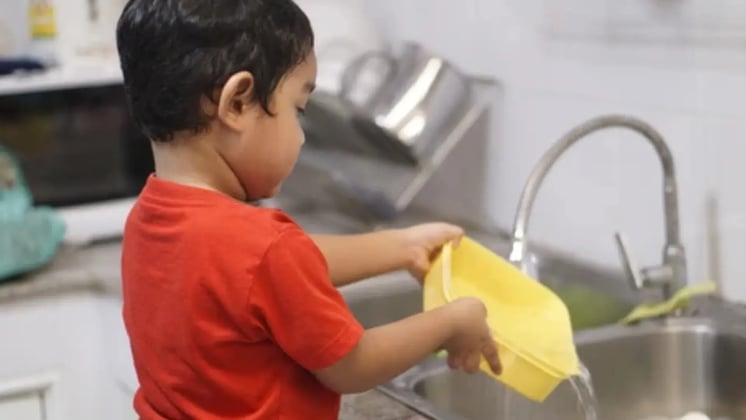
5 Practical Ways Children Can Support Their Parents at Home
Home is where children really learn what it means to be kind, responsible, and a team player, and to respect others. That's where parents do most of the caring, guiding, and organizing. But kids can play a role in that too, and by that, it does not have to be big tasks or taking on too much. Small, age-appropriate contributions can make a world of difference in creating a happy, balanced home life.
For a kid, it is important to understand how you can help your parents at home, so they begin to see themselves as active members of the family rather than passive participants. Doing simple things like cleaning up their room, setting the table, or running small errands helps kids learn how to be responsible. These consistent efforts help you become more disciplined, confident, and feel like you belong over time. Helping out at home also improves communication and respect for each other, which makes life easier and more cooperative for everyone.
5 Practical Ways Children Can Support Their Parents at Home - Introduction
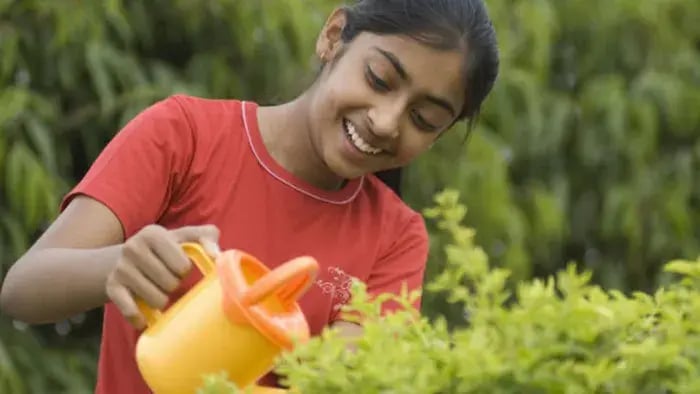
When kids pitch in with daily activities, they learn those life skills, understand the value of hard work and feel more connected to their family. That sense of connection comes from moments like setting the table together, cleaning up toys or just showing you care.
Why is it Important for Kids to help at Home?
Building Responsibility And Independence
When kids help with chores, they learn that every family member plays a role in keeping the home clean and organized. It gives them a sense of duty and shows them the importance of being dependable.
Simple tasks like making the bed, watering plants, or folding laundry teach kids how to take care of themselves and their surroundings. These small jobs help them become more self-reliant as they grow.
Developing Essential Life Skills
Everyday chores introduce useful life skills like cooking, organizing, cleaning, and managing time. These experiences prepare children to handle basic responsibilities with confidence in the future.
Strengthening Family Bonds
Helping with chores teaches children that a home runs best when everyone contributes. When tasks are shared, children learn cooperation, patience, and mutual respect. Small responsibilities also create everyday moments of teamwork and conversation. Over time, this builds stronger relationships and trust within the household. Learning how children can help their parents encourages a sense of belonging and makes family life more balanced and supportive.
5 Practical Ways Children Can Support Parents
Helping with Daily Household Tasks
Kids can start by helping with everyday chores like setting the table, dusting, folding clothes, or putting the toys away. These tasks may seem small, but they save the parents time and energy. Even making the bed in the morning or wiping the dinner table after meals shows responsibility. These tasks teach them to be organized, responsible, and careful with things around them.
Taking Care of Younger Siblings
If kids have younger brothers or sisters, helping them with homework, reading stories, or just playing kindly with them is a great way to support the parents. It gives parents a small break and helps siblings feel cared for and safe. Kids also learn patience and how to be gentle and helpful, which are important qualities in every relationship.
Keeping Your Room Clean and Tidy
One of the easiest and most helpful things kids can do is keep the space neat. By making sure the clothes, books, and toys are in the right place, this shows that kids care about their belongings and respect the home. A clean space helps kids feel more focused and relaxed. It also builds habits of responsibility and personal care that are useful at school and later in life.
Being a Good Listener and Communicator
Sometimes, the best way to help parents isn’t by doing chores, but by being kind and understanding. Listen when they speak to you, follow instructions, and share how your day went. Saying "thank you," asking how they feel, or just giving them a smile can make a big difference. This way, kids become more thoughtful and emotionally aware.
Age-Appropriate Chores: A Complete Guide
Chores For Toddlers (2-3 Years)
| Task | Purpose | Skill Built |
| Putting toys back in baskets | Keeps space tidy | Early family responsibility |
| Helping set napkins on the table | Light contribution | Routine awareness |
| Placing clothes in the laundry basket | Sorting habit | Cleanliness understanding |
| Watering small plants | Gentle care | Patience |
Chores For Preschoolers (4-5 Years)
| Task | Purpose | Skill Built |
| Making the bed loosely | Daily order | Independence |
| Packing the school bag | Preparation | Organisation |
| Helping wipe tables | Light cleaning | Responsibility |
| Assisting with grocery lists | Participation | Thinking skills |
Chores For School-Age Kids (6-9 Years)
| Task | Purpose | Skill Built |
| Folding laundry | Clothing care | Self-reliance |
| Sweeping small areas | Home upkeep | Focus |
| Guiding younger siblings in homework | Helping parents | Leadership |
| Assisting in simple meal prep | Daily contribution | Confidence |
Chores For Pre-Teens & Teens (10+ Years)
| Task | Purpose | Skill Built |
| Preparing a simple meal | Daily independence | Responsibility |
| Managing personal laundry | Self-care routine | Time management |
| Cleaning shared spaces | Home contribution | Accountability |
| Grocery list planning | Household support | Planning skills |
| Supervising younger siblings | Family assistance | Leadership & patience |
Helping with Groceries and Simple Cooking
Kids can assist parents during grocery shopping by helping carry bags or making a list together. In the kitchen, kids can help wash vegetables, stir batter, or pack lunchboxes. Kids learn basic cooking and organization skills. It also gives a better idea of how meals are prepared and how much effort goes into everyday tasks.
Home Help Checklist To Follow
- Start the day by making the bed to build early family responsibility.
- Put toys, books, and clothes back in place after use to support tidy routines.
- Help set the table before meals and clear it afterward as part of simple chores for kids.
- Keep school bags packed and ready for the next day to reduce morning stress.
- Assist in carrying light grocery bags or sorting items to learn everyday organisation.
- Water plants regularly to develop care and patience at home.
- Offer small acts like greeting parents, listening well, or sharing updates as part of helping parents.
Tips For Parents: How To Encourage Helping Without Nagging
- Praise specific actions so children understand what behavior made you proud.
- Use calm reminders instead of criticism to support steady learning.
- Offer small choices to build independence and strengthen family responsibility.
- Set clear expectations so routines feel predictable and safe.
- Celebrate consistent effort with simple rewards like extra story time.
- Model the behavior you want your child to follow by keeping tasks visible and simple.
- Break big tasks into smaller steps to avoid overwhelm.
- Stay patient during mistakes and guide children back to the correct action through gentle correction.
Encouraging Teamwork In Families
- Encouraging kids to help their parents with everyday tasks makes them feel included and valued, which helps the family work together better. When kids help out with small chores around the house, they learn about shared responsibility and how important it is to work together to reach common goals.
- When kids help their parents around the house, it teaches them to respect and care for each other. When kids help with chores or take care of others, they learn how much work it takes to keep a house running and how important it is to work together.
- Giving kids age-appropriate chores helps them learn how to be responsible at home by making their roles and expectations clear. This structure teaches kids to be responsible and helps them feel good about being able to make a difference.
- Doing family chores on a regular basis is an important way to teach kids responsibility through real-life experiences instead of just telling them what to do. Kids learn responsibility by doing things, which helps them become more disciplined, dependable, and good at solving problems.
- Strong family teamwork habits create a supportive environment where cooperation replaces pressure. When families work together, children learn communication, patience, and collaboration, which strengthen relationships and prepare them for teamwork in school and social settings.
Conclusion
Supporting parents at home is not just about helping them; it’s also about becoming a more responsible and caring person. These simple activities help kids learn teamwork, independence, and gratitude. All the effort kids make, no matter how small, brings joy to the home and helps the family feel more connected.
Frequently Asked Questions
What Are Easy Chores For A 5-Year-Old?

At this age, chores should be easy and safe. A kid can help by making their bed, putting their toys back in a basket, putting their clothes in the laundry hamper, or feeding a pet with supervision. Doing small things like this every day helps kids learn about responsibility and gain confidence.
How Can You Motivate Your Child To Help Without Arguing?
Make your expectations clear and explain why the job is important. Thanking someone is better than putting pressure on them. Instead of asking for perfection, praise effort and keep instructions short as well as to the point. It also helps to make chores a group activity or a short challenge. Kids are more likely to help out at home when they know how they can help their parents.
Can Parents Give Child An Allowance For Chores?
Some parents connect allowance to chores to teach financial responsibility, while others believe household work is a shared duty and not something that should be paid for. Both approaches have advantages and limitations. Children exploring how I help my parents at home often choose a method that matches their values and long-term teaching goals.
Her love for storytelling began with reading her grandfather’s speeches, where Tarishi saw the power of words in creating lasting memories. Combining her passions for food and writing, she has turned her life into a fulfilling path of sharing stories that celebrate flavours and how food brings communities together.
The views expressed are that of the expert alone.
Popular Topics