




 Parenting Guide


 Child Health & Growth


 Learning & Skills Development


 Food & Nutrition


 Bournvita





Introduction
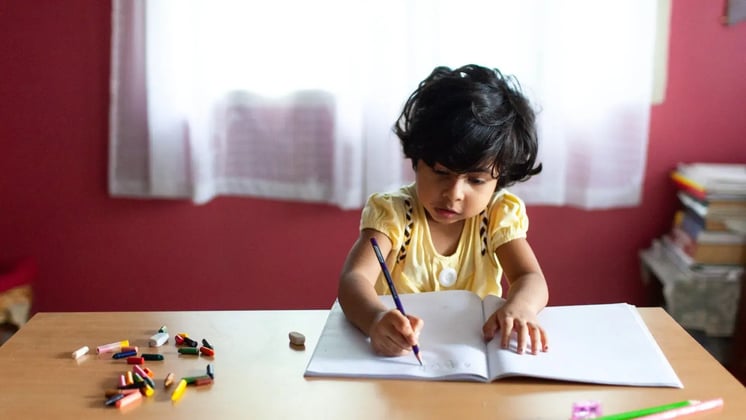
Children become very curious as they grow. They love to ask questions, understand new ideas, and learn through play. When learning is enjoyable rather than stressful, children stay interested longer and remember what they learned more easily. This is why fun learning activities for kids play an important role in a child's early development. Learning does not always happen at a desk with books, sheets, and homework. Games, stories, movement, music, and everyday experiences are all valuable opportunities for children to learn. Additionally, when parents and teachers turn simple moments into meaningful, interactive learning activities, children develop the right approach to learning and enjoy what they are learning.
Why Fun Learning Matters For Kids
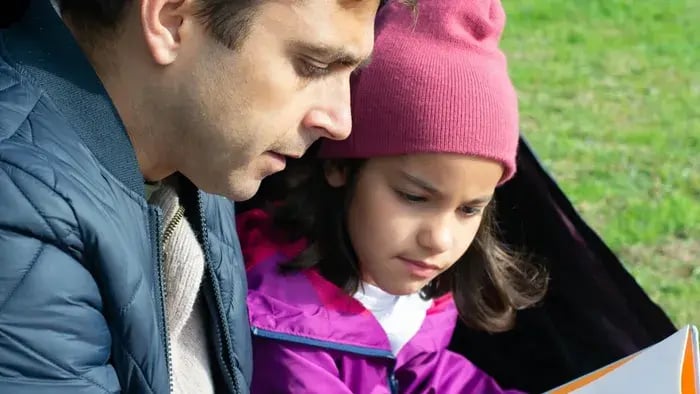
When children are actively involved in any activity, they learn faster and better. When lessons include games, storytelling, movement, or hands-on activities, children pay closer attention and grasp concepts more easily. Fun learning is also a good way to reduce their learning pressure. Instead of worrying about getting every answer right, children become more willing to ask questions, understand new ideas, and try again after making mistakes. Parents and teachers play an important role by creating a positive learning environment where they encourage children to be curious and give answers when they have questions, rather than dismissing them.
What Makes Learning Fun And Effective
The best learning practices encourage children to be involved in the learning process, rather than simply asking them to memorise information. When children participate actively, they stay focused and understand ideas more deeply. When children have choices, activities where they can participate, and a positive and encouraging environment, their learning experiences become more enjoyable. When you support children, they get interested in learning and become more confident learners.
Ways To Make Learning Fun
Use Stories, Riddles, And Real-Life Examples
When children listen to stories, they understand the lesson easily and are able to connect new ideas with everyday happenings. Riddles, simple examples, and familiar situations also encourage children to think and solve problems without getting overwhelmed.
Give Children Choices
Do not force children to learn something. Let them choose the book they want to read, the topic they want to understand better, or the order in which they want to complete the activities. When they have some choices, it gives them a sense of ownership and makes learning more enjoyable.
Reward Effort, Not Just Results
Praise children when they do their best, solve problems, or show curiosity. You can also reward them with stickers, extra playtime and words of encouragement. It is important that you can focus on effort rather than just the results, as this will build confidence and resilience.
Change The Learning Environment
A new setting always makes learning more exciting. You can read together in a cosy corner, solve puzzles on a floor mat, practise spelling on the balcony, or take a nature walk while talking about plants and birds with your kids. When children have a fresh environment, they stay engaged.
Use Props And Everyday Objects

Many fun learning activities can be done with the items that are already at home. Make your kid count fruits while shopping, sort coins, measure ingredients during cooking, use flashcards, or build simple models together. Everyday objects help children understand concepts through real experiences.
Add Music, Movement, And Creativity
Songs, rhymes, dance, drawing, and acting out stories make lessons memorable. Short movement breaks also help children stay focused during longer learning sessions and make learning feel more playful.
Let The Child Lead
Ask your child to explain a topic as if they are the teacher. Teaching someone else helps children organise their thoughts and remember information more clearly while building confidence.
Educational Games For Kids
Quiz games, memory games, word searches, puzzles, matching games, flashcards, riddles, and simple maths games all encourage children to think while having fun. Choose games that match your child's age and interests. The goal is to keep children curious and engaged rather than making learning feel competitive.
Interactive Learning Activities
Interactive learning activities encourage children to participate rather than simply listen. Use activities like role-play, show-and-tell sessions, sorting and matching games, building projects, and asking children to teach a topic back are all excellent ways to improve understanding. These activities also develop communication, teamwork, creativity, and problem-solving skills and keep children actively involved in the learning process.
Fun Learning Activities To Try At Home
For Preschoolers
Young children learn best through play and repetition. Colour sorting, shape matching, alphabet games, number songs, sensory bins, building blocks, and simple picture books are excellent fun learning activities for kids in the preschool years. Keep sessions short and playful so children stay interested without feeling tired or pressured.
For School-Age Kids
Older children often enjoy quiz games, mind maps, simple science experiments, reading challenges, maths puzzles, and craft projects based on school topics. These interactive learning activities help them apply what they learn in practical and creative ways. Encourage children to ask questions, explain their thinking, and explore topics that interest them beyond the classroom.
Conclusion: Fun Learning Builds Curiosity And Confidence
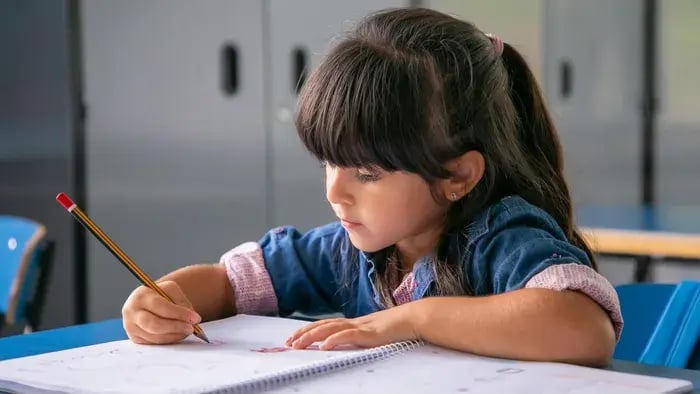
Learning becomes more meaningful when children take an active role in it. Simple, fun learning activities encourage curiosity, creativity, and confidence while helping children understand concepts more deeply. The goal is not simply to finish lessons but to help children enjoy learning. With games, stories, movement, and interactive learning activities, parents and teachers can build a lifelong love of learning one small activity at a time.
Frequently Asked Questions
How can parents make learning fun for kids?

Parents can make learning more enjoyable by using games, stories, music, movement, and everyday experiences rather than relying solely on books and worksheets. Positive encouragement and allowing children to make choices also keep them engaged.
What are the best educational games for kids?
Memory games, puzzles, quiz games, flashcards, word games, maths games, matching activities, and riddles are all excellent educational games that make learning enjoyable while developing important thinking skills.
What are simple fun learning activities at home?
Reading together, counting household objects, cooking, building with blocks, drawing, storytelling, scavenger hunts, and simple science experiments are easy fun learning activities for kids that require very few materials.
What are interactive learning activities?
Interactive learning activities involve children directly in the learning process. Examples include role-play, sorting games, show-and-tell, group discussions, hands-on projects, and teaching a topic back to someone else.
How do games help children learn better?
Games encourage active participation, improve focus, strengthen memory, and make learning enjoyable. Children often remember information better when they learn through play.
What are fun learning activities for preschoolers?
Colour sorting, alphabet games, sensory play, number songs, shape matching, building blocks, and simple storytelling activities are ideal for preschoolers because they encourage learning through play.
What mistakes should parents avoid during learning?
Avoid putting too much pressure on children, comparing them with others, expecting perfect results, or making learning feel like a punishment. Focus on encouragement, patience, and helping children enjoy the learning process.
The views expressed are that of the expert alone.
Popular Topics