




 Parenting Guide


 Child Health & Growth


 Learning & Skills Development


 Food & Nutrition


 Bournvita





Introduction
When you introduce mythological stories for kids at home, you give your kids more than just bedtime entertainment. These timeless tales from Indian epics help shape values, strengthen imagination, and build a sense of cultural belonging. Many indian mythological stories for kids share simple yet powerful lessons about honesty, courage, kindness, and respect. When you share such stories regularly, your kids begin to understand right and wrong through relatable characters and engaging situations.
You may remember how elders in your family often narrated god stories for kids during quiet evenings or festive gatherings. Those moments created warmth, curiosity, and meaningful conversations. In the same way, when you pass on a short epic story from the Ramayana or Mahabharata, your kids feel connected to traditions while also learning practical life lessons. These stories are not complicated. Each mythological story with a moral offers guidance that your kids can apply in school, friendships, and daily routines.
You can make storytelling a simple daily habit by setting aside a few calm minutes before bedtime or during family time. Encourage your kids to ask questions, imagine different endings, or share what they learnt from the story. This interactive approach makes learning natural and enjoyable. When you keep these cultural tales alive at home, you help your kids grow with strong values, confidence, and emotional understanding in a gentle and meaningful way.
Why Read Mythological Stories to Kids?
Reading mythological stories for kids gives your kids meaningful lessons in a simple and engaging way. These stories also improve language skills and encourage imagination, which supports better learning in school. Most importantly, storytelling offers a calm and positive alternative to screen time, helping your kids build focus, emotional connection, and curiosity through enjoyable family moments.
Builds Strong Character Values
When you share mythological stories for kids, you help your kids understand the importance of honesty, courage, patience, and kindness. These stories show clear examples of right and wrong, making it easier for your kids to learn positive behavior in daily life. Over time, such lessons help shape confident and responsible personalities.
Helps Your Kids Understand Indian Culture
Reading Indian mythological stories for kids connects your kids with traditions, festivals, and family values. These tales explain cultural practices in a simple and engaging way. When your kids grow up knowing these stories, they feel more rooted and respectful towards their heritage.
Improves Language and Vocabulary Skills
When you regularly narrate a mythological story with moral, your kids listen to new words, expressions, and storytelling styles. This improves listening skills and supports better speaking and reading habits. It also encourages curiosity about meanings and storytelling patterns.
Sparks Creativity and Imagination
A short epic story filled with heroes, magical events, and life challenges inspires your kids to imagine new possibilities. This creative thinking helps in problem-solving, storytelling, and even school learning. Mythological tales make learning enjoyable and meaningful.
Offers a Healthy Alternative to Screen Time
Story sessions with god stories for kids create calm and meaningful family moments without gadgets. When you replace excessive screen time with storytelling, your kids develop better focus, emotional bonding, and relaxation habits. This simple routine supports overall mental and emotional well-being.
Top Indian Mythological Stories with Morals
Exploring mythological stories for kids helps your kids learn important life lessons through simple and engaging narratives. These Indian mythological stories for kids introduce values like truthfulness, bravery, respect, and compassion in a way that is easy to understand. When you share a meaningful mythological story with morals regularly, your kids not only enjoy storytelling time but also develop stronger cultural awareness, imagination, and positive thinking habits.
The Birth of Ganesha: A Lesson in Obedience
This popular tale from the Puranas explains how young Ganesha followed his mother Parvati’s instructions and guarded the entrance while she rested. When Lord Shiva arrived and was stopped by the child, a powerful conflict followed. Later, Ganesha was blessed with a new life and became widely respected. This story helps your kids understand the importance of responsibility and respecting family rules.
Parent’s Take:
You can ask your kids how following simple instructions at home or school builds trust and safety.
Abhimanyu’s Courage: The Young Warrior
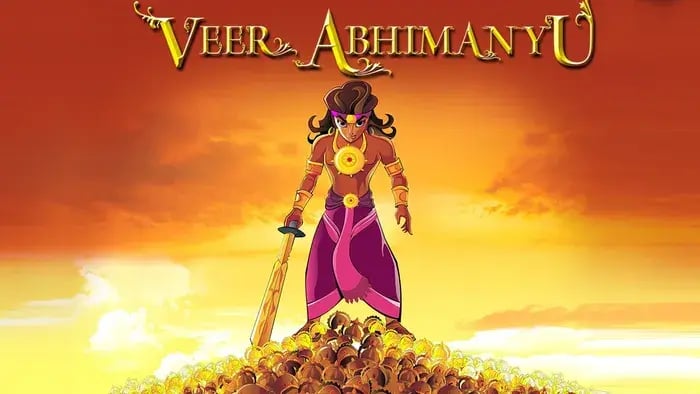
In the Mahabharata, Abhimanyu bravely entered the complex Chakravyuh battle formation, even though he knew only part of the strategy. His fearless attitude and dedication to duty inspire your kids to face challenges with confidence and determination. The story teaches that courage does not depend on age but on inner strength.
Parent’s Take:
Encourage your kids to share moments when they felt brave while trying something new.
Ekalavya’s Dedication: The Ideal Student
Ekalavya’s story from the Mahabharata shows deep respect for learning. Even without formal guidance from Guru Dronacharya, he practiced archery with discipline and devotion. His commitment highlights the value of hard work and self-learning. Your kids learn that consistent effort can help them achieve goals despite obstacles.
Parent’s Take:
Motivate your kids to stay focused on practice, whether it is studies, sports, or hobbies.
Krishna and Govardhan Hill: Protecting the Weak
In the Bhagavata Purana, young Krishna lifted the Govardhan Hill to protect villagers and animals from heavy rains. This inspiring story shows your kids how true strength lies in helping others and standing up for the vulnerable. It also teaches faith and community support.
Parent’s Take:
Discuss simple ways your kids can help friends, siblings, or animals in daily life.
Prahalada’s Faith: Good Over Evil
Prahalada’s devotion to Lord Vishnu, described in the Vishnu Purana, remained strong even when his father Hiranyakashipu opposed him. His unwavering belief in goodness teaches your kids the importance of staying positive and truthful during difficult times. The story reinforces that kindness and faith always overcome negativity.
Parent’s Take:
Help your kids understand how staying calm and hopeful can solve many problems.
The Hard Work of Arjun: Focus and Determination
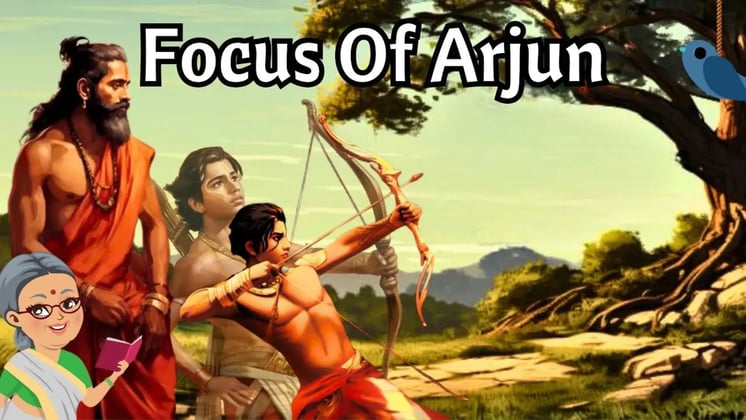
Arjun’s dedication to archery in the Mahabharata is shown through the famous bird’s-eye test. While others saw the tree and branches, Arjun focused only on the target. This lesson helps your kids realize the importance of concentration, discipline, and setting clear goals in studies and activities.
Parent’s Take:
Encourage your kids to practice focused study time without distractions.
The Tale of Righteous Rama: Integrity and Sacrifice

From the Ramayana, Lord Rama accepted exile to honour his father’s promise. His calm acceptance and strong moral values show your kids the power of integrity and respect for family commitments. The story teaches that doing the right thing builds lifelong respect.
Parent’s Take:
Talk to your kids about keeping promises and showing respect to elders.
Hanuman’s Leap to Lanka: Strength and Devotion
In the Ramayana, Hanuman crossed the ocean in search of Sita, showing courage, loyalty, and self-belief. Your kids learn that confidence grows when intentions are pure and efforts are sincere. This story inspires emotional strength and determination.
Parent’s Take:
Remind your kids that believing in their abilities helps them overcome fear.
The Churning of the Ocean: The Power of Teamwork
The Samudra Manthan story from the Bhagavata Purana shows gods and demons working together to obtain nectar. This tale teaches your kids the value of cooperation, patience, and shared effort to achieve big goals.
Parent’s Take:
Encourage teamwork through group games or shared household tasks.
Savitri and Satyavan: The Power of Love
In the Mahabharata, Savitri’s wisdom and devotion helped her win back her husband Satyavan’s life from Yama, the god of death. This story shows your kids the strength of determination, love, and intelligent thinking in tough situations.
Parent’s Take:
Discuss how caring actions strengthen family bonds.
Krishna and the Butter Pot: Divine Mischief
This charming tale from the Bhagavata Purana describes Krishna’s playful habit of stealing butter. It shows your kids that childhood curiosity and joy are natural but should be balanced with honesty and sharing.
Parent’s Take:
Guide your kids to express playfulness while understanding boundaries.
Durga Slays Mahishasura: Victory of Good
From the Devi Mahatmya, Goddess Durga defeated the demon Mahishasura after a powerful battle. This inspiring story helps your kids understand that courage and righteousness can overcome negativity and injustice.
Parent’s Take:
Encourage your kids to stand up politely against unfair situations.
The Story of Shravan Kumar: Devotion to Parents
Shravan Kumar’s tale from the Ramayana tradition highlights his deep respect and service towards his ageing parents. His dedication teaches your kids the importance of gratitude, responsibility, and compassion within the family.
Parent’s Take:
Motivate your kids to help elders with small daily tasks.
Sudama and Krishna: True Friendship
This heartfelt story from the Bhagavata Purana shows how Krishna warmly welcomed his childhood friend Sudama despite his poverty. Your kids learn that genuine friendship values love and loyalty over material wealth.
Parent’s Take:
Talk about choosing friends who are kind and supportive.
King Harishchandra: The Truthful King
King Harishchandra’s story from the Markandeya Purana highlights his unwavering commitment to truth even during extreme hardship. This powerful lesson encourages your kids to stay honest and strong in challenging situations.
Parent’s Take:
Reinforce the idea that honesty builds trust and self-respect over time.
Frequently Asked Questions
What is the best age to start reading mythology to kids?

You can start sharing simple mythological stories for kids from the age of 3 to 4 years. At this stage, your kids enjoy short and colorful stories with clear good-and-bad lessons. As your kids grow older, you can introduce longer Indian mythological stories for kids that explain deeper values like courage, honesty, and responsibility.
Are mythological stories real?
You can explain to your kids that mythological tales are traditional stories passed down through generations. They may not always be historical facts, but each mythological story with morals shares important life lessons, cultural beliefs, and values that guide behavior and thinking.
Which is the best Indian mythological story for teaching honesty?
The story of King Harishchandra is often considered one of the best god stories for kids that highlights honesty. You can tell your kids how he always chose the truth even during difficult times. This short epic story helps your kids understand that being truthful builds trust, respect, and strong character.
Pakhi writes with the belief that dessert isn’t just a dish—it’s a mood. Her work blends storytelling with tips, turning timeless treats and trendy bites into accessible moments of comfort, celebration, and creative expression.
The views expressed are that of the expert alone.
Popular Topics