




 Parenting Guide


 Child Health & Growth


 Learning & Skills Development


 Food & Nutrition


 Bournvita






Introduction
A responsible kid is someone who can fulfill their academic and extracurricular responsibilities on time. Such a child may also get the opportunity to help parents at home and provide their input in keeping the house clean and tidy. Making kids responsible is a continuous process of assigning them different tasks and teaching them how to do them.
Slowly, the child learns how to practice these tasks on their own and help in the smooth running of the house. Such a child can also be of great help to parents. To make a child responsible from an early age, parents can start assigning some age-appropriate tasks to them. As the child gets older, these tasks can be exchanged for something more complex that they can do. This habit will not only ensure that a child becomes responsible but will also instill a deep sense of punctuality and time management among kids.
7 Ways Kids Can Assist Parents at Home
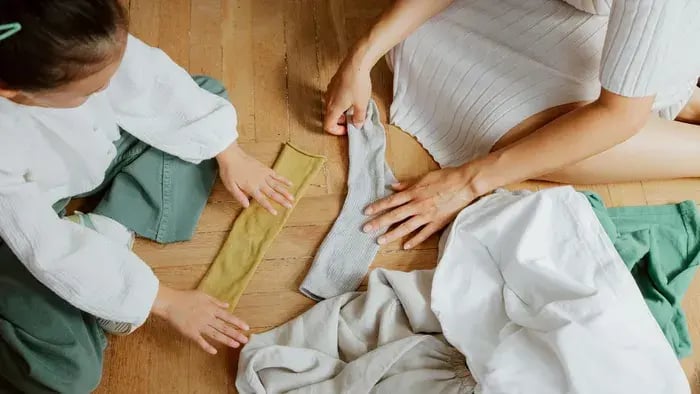
Here are seven different ways through which kids can assist parents at home.
Making Bed
One of the earliest and essential habits that kids can develop is to make their bed after waking up. A clean bed can instantly make a room look so neat and put together. Additionally, it is a great start to the day as the child may feel oriented and alert soon after waking up. It is also a way of making the child understand the importance of keeping their belongings in place or else everything in the room will stay dirty. To make this easier for the child, parents may initially assist them. You may teach them how to put bed sheets and pillows in place.
Putting Dirty Laundry Away
This is an appropriate responsibility for kids up to age 5 or 6 years old. Parents must make the child understand that all the dirty laundry must be kept in a particular place in the room. This could be inside a basket or a particular section in their cupboard. It is done to ensure that the dirty clothes do not get mixed with clean clothes. On the washing day, the child will have to take all these dirty clothes to the washing area and assign them over to their parents.
Bringing Fresh Laundry Back to Room
After dirty laundry has been washed, and it's ready to be taken back to the respective rooms, the child can simply pick out their clothes and take them back to their room. This may make it easier for the parents to arrange fresh laundry. Parents may make it like a fun game for the child by asking them to separate their clothes based on color combinations. Once the child learns how to do this activity properly, parents may also teach them how to fold various kinds of clothes and keep them in their cupboards neatly.
Arranging Dishes
For parents who want to indulge their child in the kitchen but do not want to introduce cooking to them, arranging dishes on the shelf can be an appropriate activity. Once dirty dishes have been cleaned, parents may keep them on the side shelf to let them dry. As soon as the dishes and other utensils are properly dried, the kid can be assigned the duty of putting all the different utensils in place according to the shape and size.
Packing and Unpacking School Bags
One of the primary responsibilities of a child is to take care of their books. Books need proper care and attention or else they get worn out easily. Regular packing of bags is important for the child to ensure they take the right kind of books to school and do not carry unnecessary weight. Similarly, at the end of the day, the child should also unpack their school bag to take out extra notebooks or excessive waste from the bag to keep it clean. Parents may help the child by assisting them in how to pack their bags according to the daily timetable.
Keeping Toys in Place
Many times, kids might create a lot of mess while playing with their toys. After playtime, parents can ask the child to clean up all the mess by keeping toys back in their place. To make this easier, parents may also assign kids a proper toy basket that can contain all their toys. Many times, parents clean the after-play mess themselves instead of calling out to the child. This may make the child a bit lethargic, and they may not understand the importance of keeping their room and surroundings clean.
Watering Plants
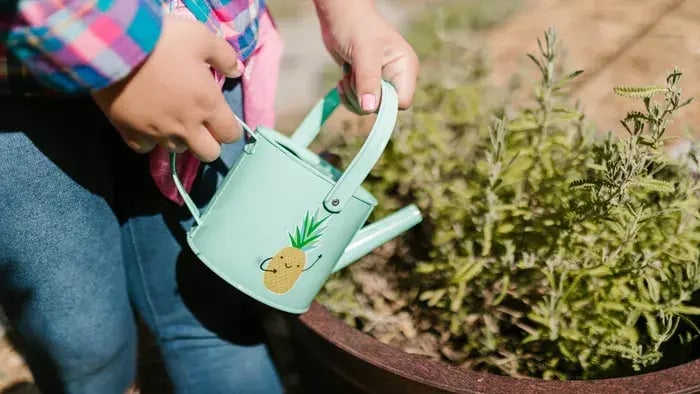
If you have plants at home, then you may assign your kid the duty of watering them every day. Being in the vicinity with plants and watching them grow every day may make the child understand the difference between these plants, the flowers, and leaf patterns. As the child gets accustomed to watering the plants, you may also teach them how to take care of the plant by adding manure and cleaning the plant pot from time to time.
Tips to Encourage Kids to Help at Home
Getting children involved in household responsibilities takes time and consistency. With encouragement and positive guidance, kids can gradually develop helpful habits and become more willing to contribute at home.
Start With Small, Simple Tasks
Begin with age-appropriate responsibilities such as putting away toys, arranging books, watering plants, or placing clothes in the laundry basket. Simple tasks help children build confidence and develop responsibility gradually.
Be Patient and Guide Them Initially
Children may not complete tasks perfectly at first. Offer gentle guidance, demonstrate how to do chores correctly, and allow them time to learn without criticism or unrealistic expectations.
Appreciate Their Efforts Regularly
Recognising a child’s effort, even when the task is not completed perfectly, encourages them to continue helping. Positive feedback helps build confidence and makes children feel valued and capable.
Turn Chores Into Fun Activities
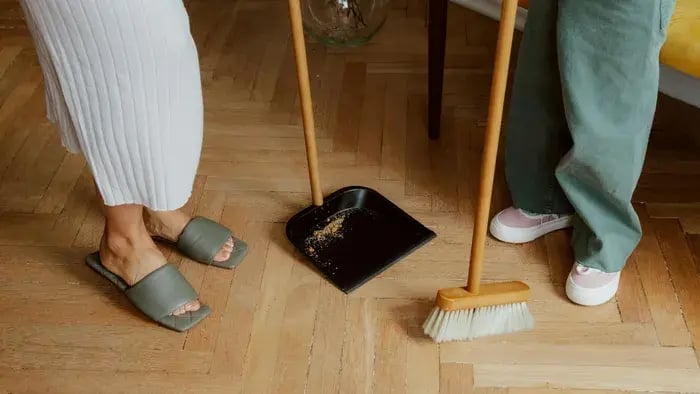
Adding music, games, friendly challenges, or rewards for teamwork can make household tasks more enjoyable. When chores feel fun, children are more likely to participate willingly.
Create a Daily Routine
Assigning specific responsibilities at regular times helps children develop consistency. A predictable routine makes helping at home feel like a normal part of everyday life.
Conclusion
Assigning small duties to kids may not only make them responsible but can also help in enhancing their confidence. When a child is properly involved in household decision-making, they might feel more motivated to carry out other tasks and learn better.
Frequently Asked Questions
How can kids help their parents at home?

Kids can help by making their bed, tidying their room, setting the table, watering plants, organising toys, feeding pets, and assisting with simple household tasks.
At what age should kids start doing chores?
Children can begin simple chores as early as 2–3 years old. Tasks should be age-appropriate and gradually become more challenging as they grow older.
How do chores help children?
Chores teach responsibility, independence, time management, teamwork, and problem-solving skills. They also help children understand the value of contributing to family life.
How can I motivate my child to help at home?
Use encouragement, praise, routines, and fun activities to make chores enjoyable. Allowing children to choose tasks can also increase their interest and participation.
Should kids be rewarded for doing chores?
Occasional rewards can be motivating, but praise, appreciation, and a sense of accomplishment often help children develop long-term responsibility and positive habits.
Pakhi writes with the belief that dessert isn’t just a dish—it’s a mood. Her work blends storytelling with tips, turning timeless treats and trendy bites into accessible moments of comfort, celebration, and creative expression.
The views expressed are that of the expert alone.
Popular Topics