


 Parenting Guide


 Child Health & Growth


 Learning & Skills Development


 Food & Nutrition


 Bournvita




Introduction
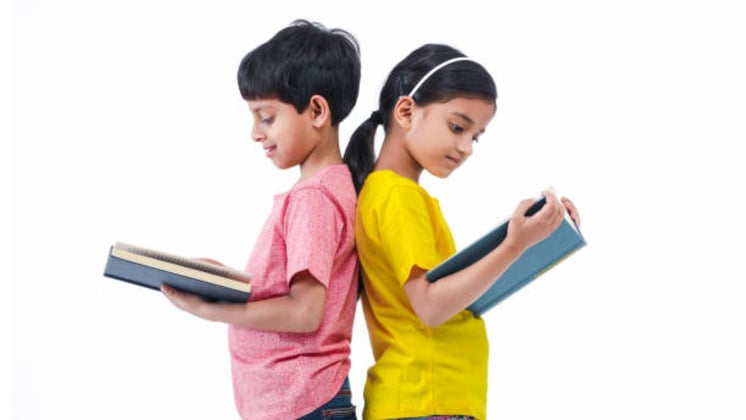
Combining fitness with literacy activities offers a dynamic and effective approach to learning. By integrating reading and writing into physical exercises, parents can improve both physical health and mental agility simultaneously. This method is particularly beneficial for children, making learning more engaging and enjoyable. Physical activities boost blood flow to the brain, improving focus and retention, while literacy exercises strengthen cognitive skills such as comprehension, vocabulary, and critical thinking.
Incorporating literacy into physical activities also helps in developing a lifelong love for both learning and fitness. It teaches children that physical health and intellectual growth are interconnected and equally important. By adopting this approach, parents can support a child's overall development, making them more well-rounded and prepared for various challenges. This innovative method ensures that learning is never a passive activity but an active, enjoyable, and multifaceted experience.
Why Fitness and Literacy Go Hand in Hand for Children
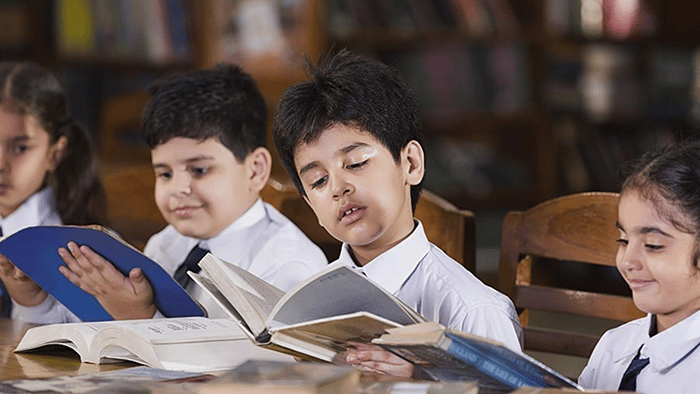
Reading and exercise stimulate different but complementary areas of the brain. Getting your body moving increases blood flow and helps kids focus and remember more. Learning and physical activity strengthen the neural connections children need to read. Exercise also helps to reduce anxiety, which can often block a child’s ability to focus. Children who are active pay more attention to tasks like reading and writing.
Studies repeatedly demonstrate that children who change schools often do better academically. When kids get moving, their brains release dopamine and serotonin—crucial for learning. It is better for beginners to combine physical engagement with reading exercises. The whole body learns to read faster. Movement is not a distraction from learning. Movement is a doorway into learning.
At What Age Should You Start Combining Fitness with Literacy?
It’s never too early to begin. The sooner kids start, the stronger the habit for life.
- Toddlers (2–4 years): Use movement, storytelling, and nursery rhymes. Jump and recite rhymes or play characters from picture books. At this age, reading exercises for beginners are purely playful and joyful.
- Early school age (5–8 years): Play word-based scavenger hunts, spelling relay races, or alphabet hopscotch. At this point, physical activity and learning are naturally blended in structured play.
- Preteens (9-12 years): Introduce journaling after sports or reading fitness-themed books. Use cricket scoring as a real-life bridge into math and literacy that Indian children can relate to.
7 Fun Ways to Add Reading and Writing Into Your Child's Exercise Routine
Integrating reading and writing into physical activities can be both fun and beneficial for children. Here are several ways to combine literacy with exercise:
1. Word Scavenger Hunts
Create scavenger hunts where children search for and read words or sentences placed around the exercise area. They can write down what they find as they complete each task.
2. Exercise Stations with Instructions
Set up exercise stations with written instructions that children must read and follow. For example, at a jumping jack station, they could read and count aloud how many repetitions they need to do.
3. Storytelling During Exercise
Encourage children to create short stories or narratives while they engage in physical activities like running or skipping. They can take turns adding to the story with each lap or jump.
4. Literacy Relay Races
Organize relay races where children pass along a written message or sentence to teammates. Each team member must read the message before passing it on, promoting reading and quick comprehension skills.
5. Fitness and Spelling Challenges
Incorporate spelling into exercises by asking children to spell out words while the other teammate is doing an exercise. For example, make teams of 4 where 2 will act out and 2 will guess. When kids get a word, one of them will explain it in action without speaking, while the other members are guessing; the other kids will perform an exercise until they have guessed the right word.
6. Writing Reflections
After completing a physical activity or exercise routine, have children write a short reflection or journal entry about the experience. This encourages them to process thoughts and feelings while practicing writing skills.
7. Fitness-Themed Storybooks
Use storybooks that integrate fitness or sports themes as part of reading time. After reading, children can act out scenes from the story through physical movements or exercises related to the plot.
Tips for Parents: How to Make Fitness-Literacy Activities a Daily Habit
Building this habit does not require extra time or special equipment. Small, consistent steps work far better than big, occasional efforts.
- Start with just 10 minutes daily of movement-linked reading. Short sessions build habits faster than long, irregular ones.
- Let your child lead. Pick activities they already enjoy. A child who loves dancing will engage more with a dance-spelling game than a structured worksheet.
- Use everyday spaces. Your park, hallway, or backyard is enough. No gym or special setup is needed for reading and exercise activities.
- Align with school topics. If they are learning about animals, try an animal-movement story walk. Physical activity and learning become more meaningful with curriculum connections.
- Track progress in a simple journal. Let your child write or draw one thing they did each day. It builds writing habits and gives them a sense of achievement over time.
Signs That Active Learning Is Improving Your Child's Literacy
After four to six weeks of regular practice, kids should be looking for these encouraging signs in your child.
Your child starts to tell events or make up their own stories on their own—a sure sign of growing literacy confidence. They spontaneously begin to use new words in normal conversation. Kids will see more focus during homework time and fewer meltdowns. They are more excited to pick up books and read voluntarily. They start to ask thoughtful questions about their reading. This is when physical activity and learning work together—when your child is engaged with stories and not just decoding words. These signs tell us that learning through movement really is creating their brain. Be consistent—the results compound every week that passes.
Conclusion
Active bodies really do help active minds. Reading and exercise together build habits that benefit your child academically and physically for life. Consistency is far more important than perfection here—even reading for 10 minutes a day linked to movement leads to measurable improvement over weeks. Goals are integrated—learning and physical activity. They are one strong, whole-child approach to raising capable, confident learners. Don’t wait for the perfect routine—start with what kids have today. Looking for more expert-backed parenting tips? Check out TJK and take the next step with our article on Brain Gym Exercises for Kids.
Frequently Asked Questions
Does physical activity really improve reading skills in children?

Sure. Getting around increases blood flow to the brain, which helps kids focus and strengthens your memory. Research has shown that children who are more active perform better at reading, writing, and schoolwork in general.
What are some easy ways to combine exercise and reading at home?
Try alphabet hopscotch, story walks, or movement-based spelling games. Use your hallway or yard. No special equipment needed, just consistency and a will to make it fun.
At what age can children start learning through physical movement?
As young as two years old. Rhymes and movement are a natural way for toddlers to learn. The sooner they begin to combine fitness with literacy, the stronger and longer-lasting the habit.
Can movement-based learning help children who struggle with reading?
Yes. Physical engagement reduces reading anxiety and enhances focus. Children who struggle with traditional reading often respond much better when learning is combined with movement and play.
How does kinesthetic learning help children with literacy?
Kinesthetic learners are those who learn best through hands-on experience and touch. Writing or acting out stories after moving activates more of the brain than sitting still by yourself.
Her love for storytelling began with reading her grandfather’s speeches, where Tarishi saw the power of words in creating lasting memories. Combining her passions for food and writing, she has turned her life into a fulfilling path of sharing stories that celebrate flavours and how food brings communities together.
The views expressed are that of the expert alone.
Popular Topics