



 Parenting Guide


 Child Health & Growth


 Learning & Skills Development


 Food & Nutrition


 Bournvita





Introduction
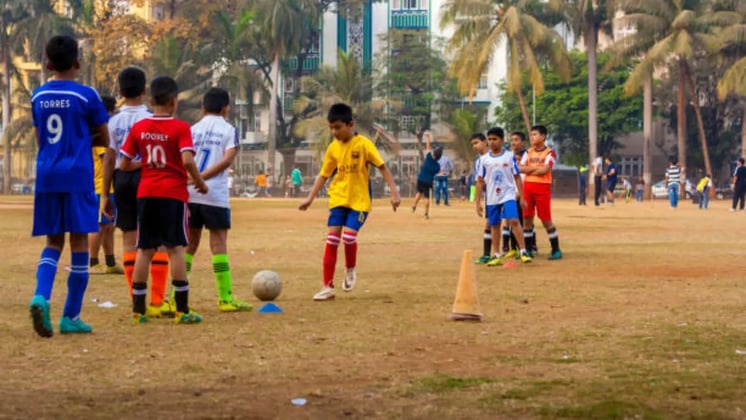
Team sports are special in childhood because they offer so much more than just physical activity. While running across a field, dribbling a ball, or practicing with teammates, kids are learning life lessons that shape who they become. The structure of team sports teaches discipline, responsibility, and working together towards a common goal.
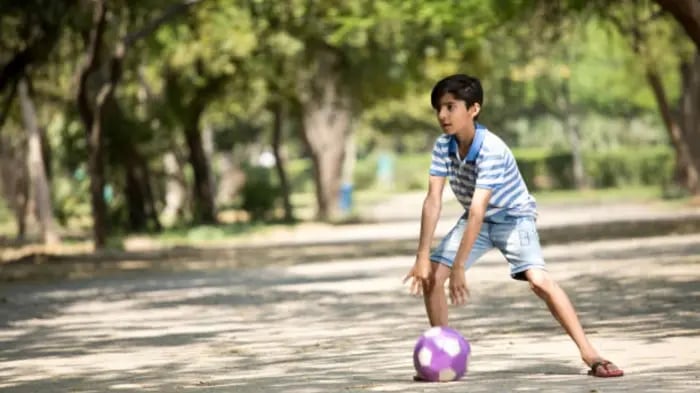
Beyond the physical benefits of fitness and strength, team sports also build social and emotional skills. Kids learn to communicate, listen to others, and handle success and failure with grace. These experiences create strength, teaching them that effort and teamwork often matter more than the score. They learn to trust teammates, coaches, and themselves, a skill that translates to everyday life.
Playing sports also helps kids build lifelong friendships and a sense of belonging and support. The shared laughter, challenges, and victories create bonds that go beyond the playing field. Over tim,e these experiences become the foundation for leadership, empathy, and problem-solving skills. Team sports are the bridge between play and personal growth, making them an important part of a child’s development.
7 Ways How Team Sports Shape Children Beyond the Game
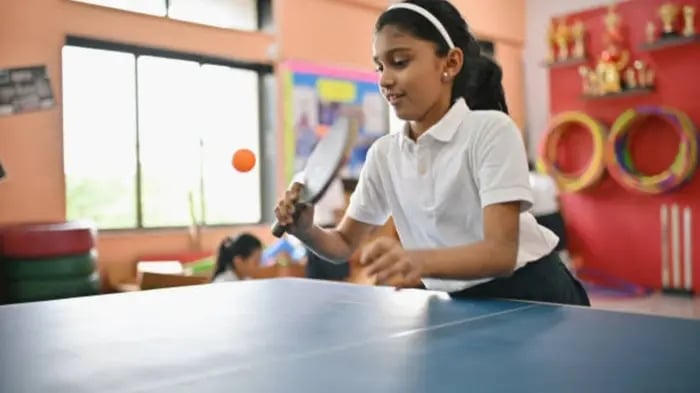
For children, joining a team sport is more than just about learning rules or chasing a ball; it is an experience that shapes values, builds friendships, and fosters confidence. Through sports, children discover the importance of practice, perseverance, and teamwork. These lessons reach beyond the playground or field, becoming tools that guide them in school, social settings, and everyday life.
The impact of team sports extends far beyond physical fitness. They teach kids how to communicate, handle emotions, and respect differences. They also nurture qualities such as discipline, empathy, and resilience, all of which play a crucial role in personal growth.
Building Communication Skills
Team sports require constant communication, whether it’s calling out for a pass, sharing strategies, or encouraging teammates. According to the National Skill Development Corporation, kids learn how to express themselves clearly and listen carefully to others. These skills translate into better classroom participation and stronger social connections.
Encouraging Discipline and Responsibility
Practicing regularly, arriving on time, and following the rules teach children the value of discipline. According to UNICEF, they also understand that their actions affect the whole team, which instills responsibility. These habits help kids develop self-control and accountability in all areas of life.
Developing Resilience Through Wins and Losses
Sports naturally involve both victories and defeats. Children learn to celebrate success with humility and accept losses with courage. According to UNICEF, this builds emotional resilience, teaching them that setbacks are part of growth and can be overcome with effort and persistence.
Boosting Confidence and Self-Esteem
When children score a goal, defend successfully, or contribute to a win, they feel a strong sense of accomplishment. As per a study published in Psychol Res Behav Manag. 2023, even small improvements in their performance build confidence. This self-belief extends into academics and personal life, encouraging kids to take on challenges bravely.
Promoting Teamwork and Cooperation
Working with others toward a shared goal teaches kids the essence of teamwork. Research done by UNICEF shows that they learn that success is not just about individual effort but about supporting one another. This helps them appreciate cooperation, compromise, and the strengths of their peers.
Encouraging Empathy and Respect
Team sports bring together children from different backgrounds, teaching them to respect differences and support one another. A study published by the National Academies Press 2016, they develop empathy by understanding teammates’ struggles and celebrating their successes. This builds stronger social bonds and kindness in everyday life.
Creating Lasting Friendships and Bonds
According to a study published in J Pediatr Psychol. 2008, the shared experiences of practice sessions, matches, and celebrations created friendships that often last beyond childhood. These bonds give kids a sense of belonging and support, which is essential for emotional growth and confidence.
Conclusion
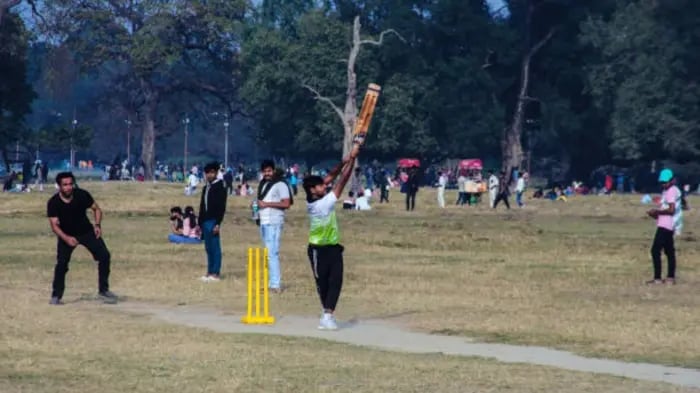
Team sports go far beyond fitness and play. They shape children’s character, teaching lessons in communication, resilience, and respect while boosting confidence and teamwork. By encouraging your child to take part in team activities, you are giving them opportunities to build not just stronger bodies but also stronger values. These experiences stay with them for life, guiding them through challenges and helping them grow into balanced, confident, and empathetic individuals.
Her love for storytelling began with reading her grandfather’s speeches, where Tarishi saw the power of words in creating lasting memories. Combining her passions for food and writing, she has turned her life into a fulfilling path of sharing stories that celebrate flavours and how food brings communities together.
The views expressed are that of the expert alone.
Popular Topics