



 Parenting Guide


 Child Health & Growth


 Learning & Skills Development


 Food & Nutrition


 Bournvita




Introduction
Kids need constant energy and nutrition throughout their growing years to make the most of childhood and remain healthy. The constant need to have nutritious food for proper brain and bone development is essential in the younger years to lay the basis for healthy living.
It is recommended to parents that even if they are feeding their child simple foods and vegetables, they should always keep in mind the "nutrient balance". Most energy-giving foods are a great source of carbohydrates and healthy fats, both of which are essential for kids.
Here are the top 10 energy-giving food items that one can make for their kids, which provide overall health and nutrition advantages without much work. Also, look at what you can make with these fruits and vegetables to make your child happy and healthy. Keep reading!
Why Do Growing Kids Need Sustained Energy?
-
According to the WHO, consistent energy intake supports brain development, physical growth, and academic concentration across every demanding school day.
-
According to the AAP, children with stable energy show better classroom attention and emotional regulation than peers relying on refined 10 energy giving food alternatives.
-
According to the NIH, iron deficiency reduces cellular energy production directly, making what are energy giving food choices rich in iron the highest daily dietary priority for growing children.
-
According to Harvard, breakfast quality determines cognitive performance across the full school morning, confirming that energy giving foods are most impactful when consumed consistently at the day's start.
-
According to NIN India, children eating traditional whole grain and pulse-based diets show significantly better sustained energy than those relying on packaged energy giving food for class 2 convenience alternatives.
Top Grains & Millets for Energy
Ragi (Finger Millet)
According to the Indian Council of Medical Research, ragi contains approximately 344 calories per 100 grams alongside calcium, iron, and amino acids that support sustained physical and cognitive energy in children. Among the most nutrient-dense 10 energy giving food options available in Indian kitchens, ragi porridge prepared with jaggery and milk gives children a slow-releasing energy breakfast that sustains concentration through an entire school morning.
Oats
Oats are whole-grain cereals that are rich in complex carbohydrates and fiber. It is a popular option not only for kids' breakfast but also for adults' diet routines because of its slow energy-releasing properties and fewer calories. It makes a great light breakfast for those who can't have anything heavy in the morning, keeping them full and energetic throughout the day. It can be made into various dishes, which can be savory or sweet.
Brown Rice
Brown rice retains the bran and germ layers that white rice loses during processing, preserving B vitamins, fiber, and complex carbohydrates that support steady energy release across several hours. According to the NIH, B vitamins are directly involved in converting food into usable cellular energy, making brown rice a meaningfully stronger what are energy giving food choice than polished white rice for children needing sustained daily fuel.
Protein-Packed Pulses & Legumes
Lentils (Dal)
According to the USDA FoodData Central, one cup of cooked lentils provides approximately 18 grams of protein alongside iron, folate, and complex carbohydrates that together support sustained energy production in growing children. Dal is one of the most accessible energy giving food for class 2 level discussions because every Indian child already encounters it daily, making it the most practical entry point for teaching children about nutrition through food they already eat.
Chickpeas (Chana)
Chickpeas deliver protein, iron, fiber, and slowly digestible starch in a single serving, making them one of the most complete 10 energy giving food options available through Indian cuisine. According to the NIH Office of Dietary Supplements, iron from plant sources like chickpeas supports oxygen transport to muscles and brain tissue, directly determining how energetic and alert a child remains across a physically and mentally demanding school day.
Rajma (Kidney Beans)
Rajma provides complete protein when combined with rice, alongside potassium and magnesium that support muscle function and nerve signaling during physical activity. According to the FAO, legume-cereal combinations deliver sustained energy more effectively than either food consumed alone, making the classic rajma chawal combination one of the most nutritionally intelligent energy giving foods are pairings in traditional Indian home cooking.
Fruits & Vegetables for Instant Energy
Bananas
Did you know that bananas are a natural source of carbohydrates? They consist of simple sugars like glucose and fructose, which help you attain a quick energy boost. Bananas also regulate blood sugar levels and provide sustained energy over time because of their fibers. Bananas can be served as they are during breakfast or as a snack, or they can be added to pancakes and cereals as a topping which makes them a substantial choice for good energy-giving food.
Amla (Indian Gooseberry)
Amla contains one of the highest vitamin C concentrations of any Indian fruit, and according to research published in Food Chemistry, vitamin C directly supports iron absorption from other foods consumed in the same meal, improving the oxygen-carrying capacity that determines how energetic a child feels through the day. Among traditional 10 energy giving food options in Indian nutrition, amla delivers this iron-enhancing benefit alongside antioxidants that protect cellular energy production systems.
Sweet Potato (Shakarkandi)
Sweet potatoes are the most versatile vegetables that you will come across and are available in every season. They are starchy vegetables rich in carbohydrates, particularly complex carbohydrates like starch. These carbohydrates are broken down into glucose, which provides a steady and sustained source of energy. They also contain vitamins and minerals that support energy metabolism, such as vitamin B6 and potassium.
Spinach
Indeed, kids do not want to eat spinach because of its taste and color, but with the right ingredients, spinach can be turned into a delicate meal. Did you know that spinach is a nutrient-dense leafy green vegetable that contains iron? It is essential for transporting oxygen throughout the body and supporting energy production. It plays a vital role in energy metabolism, too.
Oranges
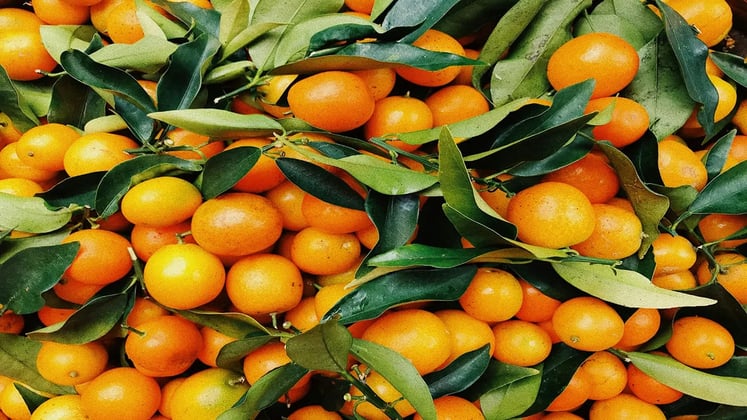
Oranges are rich in natural sugars, particularly fructose. They are a good source of energy and having them for breakfast can make kids active and full in no time. Kids also love the orange flavor, so feeding a picky eater will not be difficult, either. Orange juice is a popular option for many breakfast tables around the world.
Orange juice can be made into different delicacies such as popsicles and ice creams, which make it a perfect summer treat and snack.
Strawberries
Strawberries are a low-calorie fruit. They contain fructose, so kids gain a quick source of energy. Strawberries are also delicious and can be made into various desserts, and they can serve as a topping to different dishes. Strawberries can be a perfect breakfast item that is very fun to eat, and it also keeps kids full and sustained. One should always remember to buy fresh produce strawberries before making dishes such as jams and popsicles to get the full nutritional value.
Traditional Indian Superfoods
Makhana (Fox Nuts)
Makhana delivers protein, magnesium, and low glycemic carbohydrates that sustain energy without spiking blood sugar, making it one of the most genuinely intelligent energy giving food for class 2 snack options available. According to the Indian Institute of Food Processing Technology, makhana contains significantly more protein per gram than most common Indian snack foods, positioning it as a nutritionally superior alternative to packaged chips and biscuits for active children needing between-meal fuel.
Jaggery (Gur)
Jaggery provides iron, potassium, and natural sucrose that delivers faster energy than complex carbohydrates without the complete nutritional emptiness of refined white sugar. According to the National Institute of Nutrition India, jaggery contains trace minerals entirely absent from refined sugar, making it a meaningfully better what are energy giving food sweetener choice for children's daily meals and traditional Indian sweets prepared at home throughout the year.
Ghee
According to Ayurvedic principles documented by CCRAS, ghee provides medium and short-chain fatty acids that the body converts to energy efficiently without requiring complex metabolic processing. A small amount of ghee added to dal, rice, or roti improves fat-soluble vitamin absorption alongside delivering direct cellular energy, making it one of the most traditional energy giving foods are additions in Indian child nutrition that modern dietary science continues to validate.
Nuts (Almonds, Walnuts)
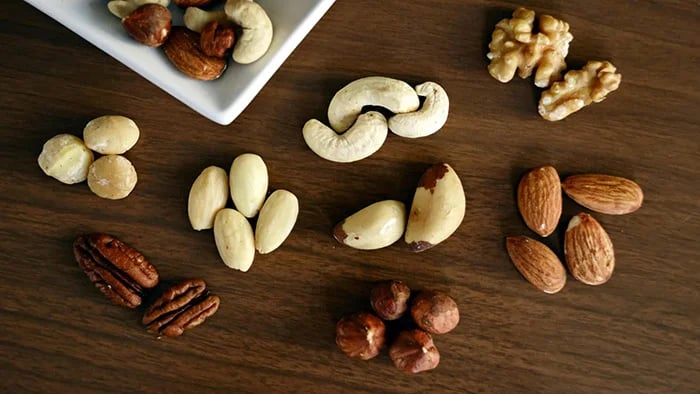
Nuts are rich in healthy fats, protein, and fiber. They can keep your kids full during longer runs and help with a delicious and healthy snack. Nuts have an earthy taste, and they go best as different kinds of toppings, especially on pancakes and cereals. There are various kinds of nuts, such as almonds, pistachios, peanuts, Chia seeds, and much more. Being light and snack-able, it is a nutritious strength-giving food for kids.
Hydration: The Overlooked Energy Booster
Water is the most consistently overlooked component of any what are energy giving food strategy for children. According to the WHO, even one percent dehydration measurably reduces physical performance and cognitive function in children. Coconut water, fresh lime water, and diluted fruit juices maintain hydration through active school days when plain water alone proves insufficient for children engaged in sports or outdoor activity.
5 Energy-Boosting Indian Snack Ideas for Kids
-
According to NIN India, makhana has more protein per gram than most packaged snacks, making roasted makhana the smartest 10 energy giving food tiffin option.
-
Ragi ladoos with jaggery deliver iron and slow-release carbohydrates in one snack children eat willingly because the sweetness masks the grain entirely.
-
According to the USDA, chickpeas provide protein and complex carbohydrates, making chana chaat one of the most complete energy giving foods are snacks assembled in under five minutes.
-
Banana with peanut butter combines fast natural sugars with protein and fat, producing the most balanced energy giving food for class 2 snack without any cooking.
-
According to the NIH, magnesium in almonds directly supports cellular energy, making a small handful of mixed nuts and dates a reliable what are energy giving food after-school option.
Conclusion
Now that you know about the top examples of energy-giving foods to keep your kids active and healthy, you may start adding them to your everyday recipes. This may help you make your kid's meal times delicious and healthy like never before!
Frequently Asked Questions
What is the best instant energy food for kids?

Bananas and dates are the most practical instant what are energy giving food options because their natural sugars absorb quickly while their fiber prevents an immediate crash. Both require no preparation, travel easily in a tiffin box, and are accepted by children across age groups without resistance or persuasion from parents managing limited time.
How can I increase my child's energy naturally?
Replacing refined snacks with 10 energy giving food options like ragi, oats, chana, and nuts across daily meals produces the most reliable natural energy improvement over two to three weeks. Consistent sleep, adequate hydration, and morning sunlight exposure alongside these dietary changes deliver results that no single supplement or energy drink replicates safely for growing children.
Is ghee good for active kids?
According to CCRAS, ghee provides medium-chain fatty acids that convert to energy efficiently and support fat-soluble vitamin absorption. A small daily amount added to dal or roti makes ghee one of the most traditional and genuinely validated energy giving foods are additions in Indian child nutrition, particularly beneficial for physically active children needing sustained fuel across long school and sports days.
Smriti is a content writer who creates clear, practical, and informative content backed by science and relevant data. With a strong understanding of structured writing, she breaks down complex topics into simple, actionable insights. Her work is focused on helping readers prepare, learn, and grow with confidence and clarity.
The views expressed are that of the expert alone.
Popular Topics