




 Parenting Guide


 Child Health & Growth


 Learning & Skills Development


 Food & Nutrition


 Bournvita





Introduction
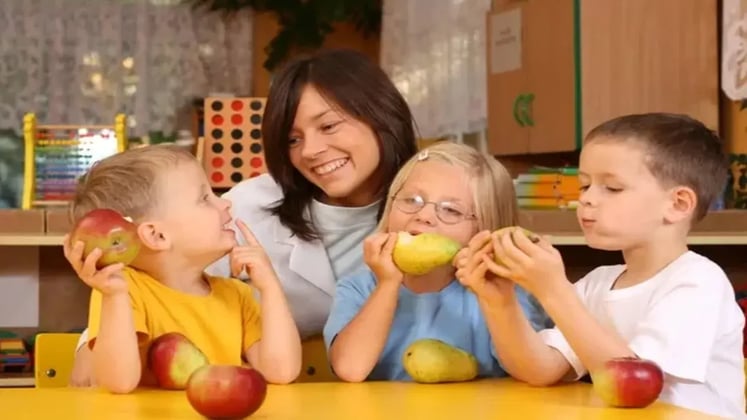
Preschool years are full of learning, curiosity, emotions, and growing independence. Children between three and five years begin speaking more clearly, building friendships, asking questions, and learning daily routines. During this stage, family support plays a major role in shaping habits, confidence, communication, and behavior.
Many parents search for helpful parenting tips for preschoolers because children at this age quickly copy the words, actions, and routines of the adults around them. Thoughtful guidance, patience, and healthy communication can support learning and emotional growth. Practical preschool parenting tips also help families manage daily challenges such as tantrums, screen time, and emotional changes. These tips for parents of preschoolers focus on balance, emotional support, routines, and healthy interaction so children feel confident, secure, and prepared for future learning experiences.
Understanding Preschool Development (Ages 3–5)
Children between three and five years experience major growth in thinking, communication, emotions, and social understanding. These years are important because many preschool developmental milestones happen during this period. Children begin speaking longer sentences, asking questions, sharing feelings, and understanding instructions more clearly.
This stage also supports creativity, imagination, friendships, and emotional awareness. Strong communication at home helps improve preschool communication skills, while healthy interaction supports preschool social skills and emotional confidence. Parents also help shape routines, discipline, and preschool healthy habits through daily guidance. Since early childhood experiences influence future learning and behavior, supportive parenting and healthy routines become very important during these growing years.
Key Developmental Milestones for Preschoolers
Preschool years include important emotional, physical, language, and social changes that support confidence, learning, independence, and healthy childhood development successfully.
Speech and Communication Skills
Children improve vocabulary, sentence formation, listening skills, and storytelling during these years, gradually and confidently strengthening overall preschool communication skills.
Social Interaction and Teamwork
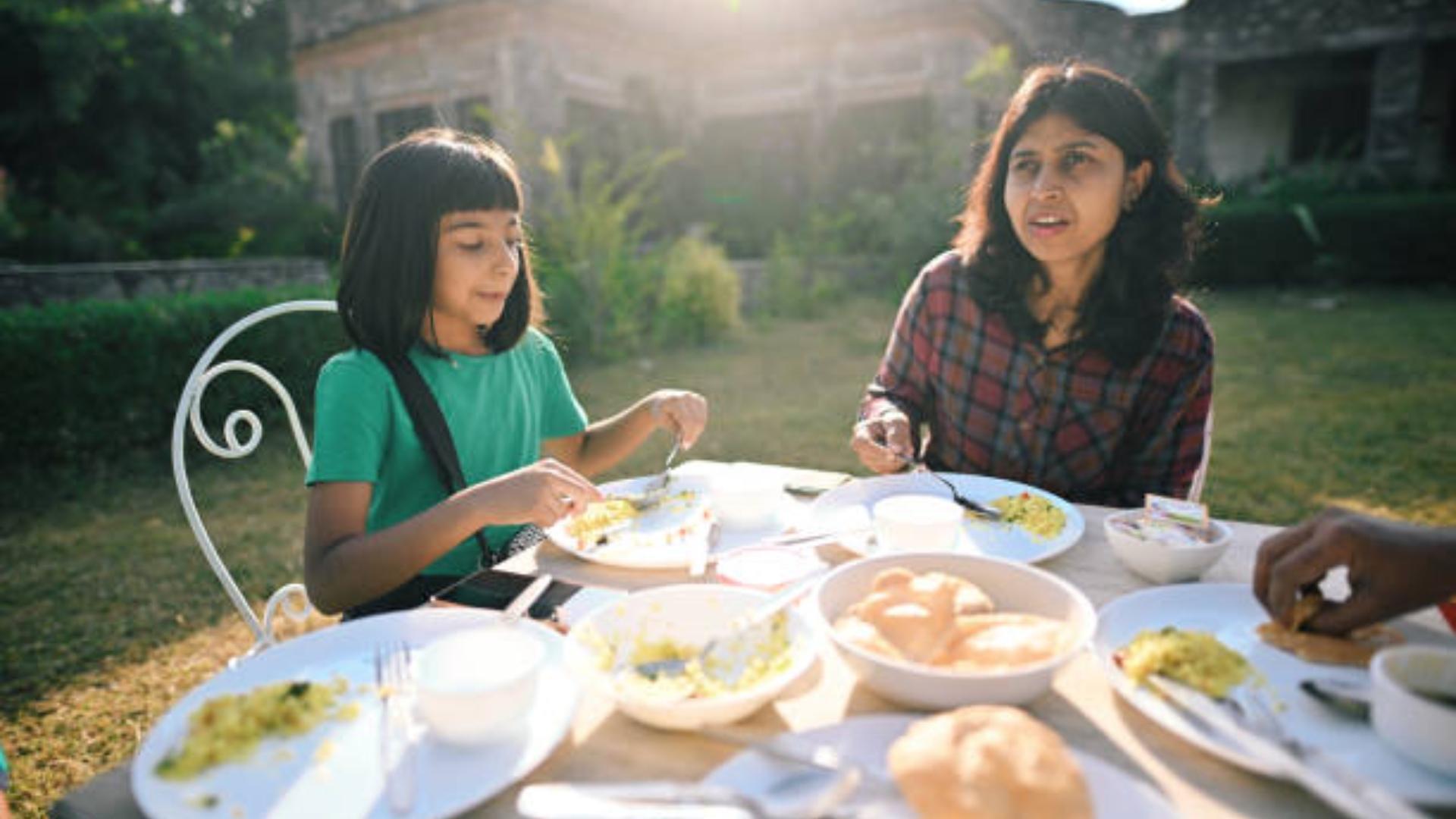
Sharing toys, taking turns, group activities, and friendship building support healthy preschool social skills and improve emotional understanding among young children.
Emotional Regulation
Children slowly learn patience, emotional control, how to express their feelings, and how to understand others' reactions, all while improving their preschool emotional development through supportive parenting approaches every day.
Motor Skills and Independence
Running, drawing, climbing, dressing independently, and using simple tools improve coordination, confidence, physical movement, and self-help abilities for preschool-aged children.
Top Parenting Tips for Preschoolers
Supportive communication, patience, healthy routines, emotional understanding, and balanced guidance help preschoolers grow confidently while improving everyday family interactions successfully.
Improve Communication Skills Early
Preschoolers usually can string sentences together as their vocabulary lies somewhere between 1,000 and 2,500 words but might make structural or grammatical errors. Therefore, parents should practice conversing with their kids daily in the language they wish to communicate to develop proper communication skills.
Teach Listening and Following Instructions
Since children have wandering minds, getting them used to following instructions is better. After all, they will have to follow their teacher’s instructions without your help in school. Also, paying attention makes kids more aware and observant of their surroundings. Try to make it fun for them through memory games, charades, puzzles, or dictation.
Encourage Teamwork and Social Interaction
A child of preschool age needs to develop social skills and team spirit to adjust well in school. Education is not a solo performance but is acquired by team effort. Therefore, do arts and crafts together with your kids, encourage play dates with other children, and highlight the merits of teamwork to them via action, not just words.
Help Without Over-Helping
It is important for children to be helpful and kind to others, especially their peers. Teach your preschoolers the merits of being of help, but also make them understand that it should not be at their own expense. Of course, it is too early to teach them the difference between self-preservation and helping others, but at least they should not break an arm trying to pluck a fruit for every crying friend.
Set a Consistent Daily Routine

It is important to establish a daily routine for your preschooler. Time should be allotted for physical activity, snacks, screen time, TV, and studying, with adequate periods of rest. This routine should not be altered unless very special circumstances require it. Having a set routine helps toddlers adjust to school timings and schedules much better. These structured schedules are part of good parenting tips for preschoolers.
Encourage Independence in Small Tasks
Encourage your children to be independent. Be it going to the toilet, washing hands before meals, or eating alone, your children need to stop depending on you for their every little need. Let them tie their shoelaces or pour their own drink. They will make mistakes but learn from them as well. This will make your job easier while keeping an eye.
Set Boundaries with Positive Discipline
Setting boundaries is important, your child should be aware of your leniency and temper and respect them. But preschoolers need to be a little more advanced than that. They should also be aware of personal boundaries, consent, and mind their classwork unless asked for help. This will make them ideal students and make life easier for other kids and teachers. But while establishing boundaries, do not become a ‘no’ person for everything. Children fear dictators but do not love them. These are essential positive parenting tips for preschoolers that balance discipline with empathy.
Handle Tantrums Calmly and Firmly
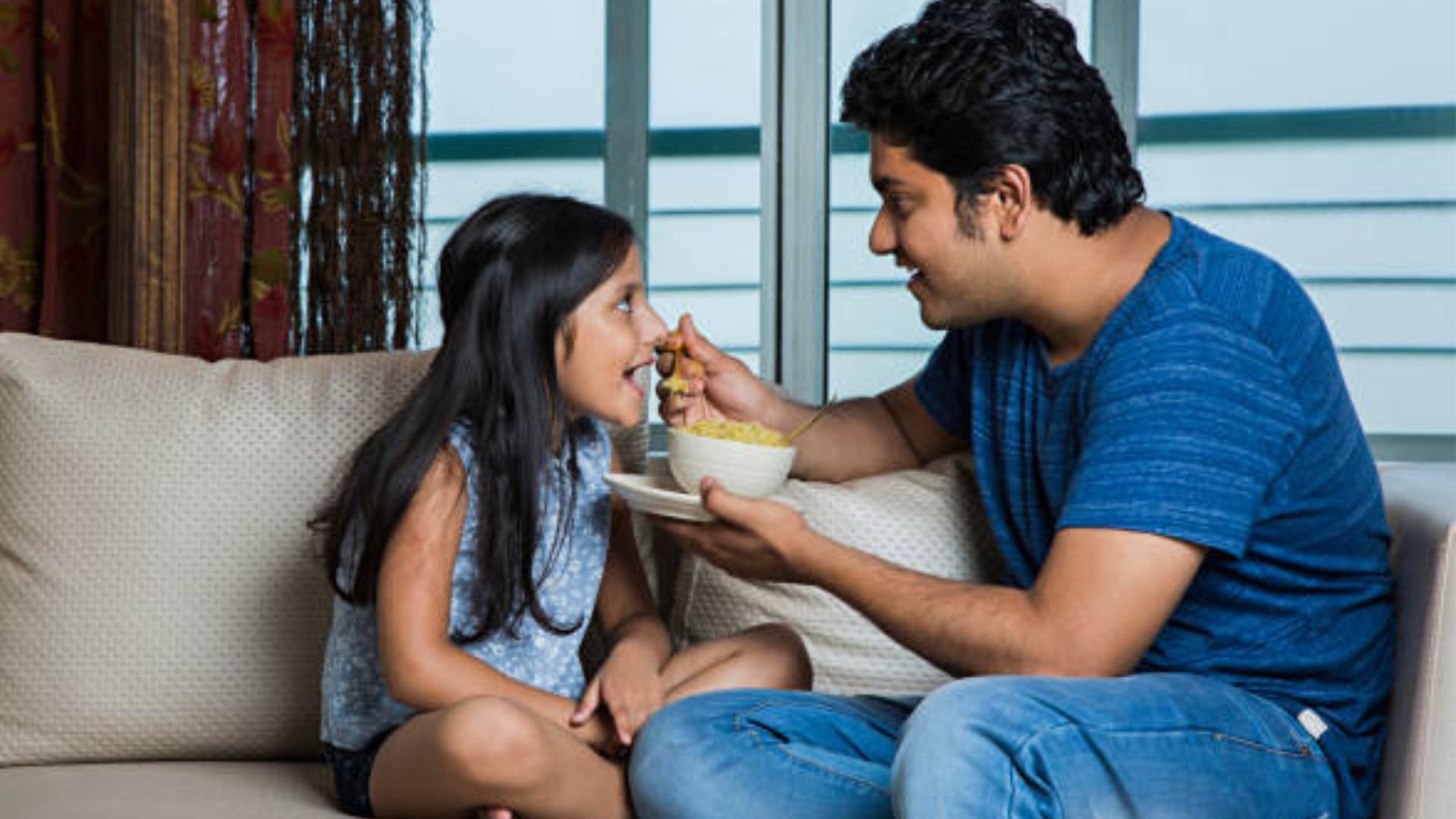
While being understanding and accepting is crucial for preschoolers and young children, it is important not to give in to their tantrums. Children may not be mature, but they are sharp and intuitive. If they realize that you will give in at the first sign of conflict or distress, they will use it against you. Be firm and calm while handling a tantrum, no matter the intensity. This is one of the most effective parenting tips for preschoolers behavior.
Build a Healthy Relationship with Food
Preschoolers should develop a good relationship with food. Now is the time if not been introduced to foods like fish, peanuts, cottage cheese, and broccoli already. Children who do not form healthy eating habits have a higher risk of forming food intolerances or allergies. Include them in the cooking process and make your favorite dishes together at home, while also preparing some nutritious dishes to go with it. Make sure their food portions and serving are age-appropriate.
Teach Kindness and Empathy
Kindness is sparse nowadays. Now is the time to rear a generation with kindness and empathy. Emulate kindness in your daily life and teach your child to practice it in difficult situations. Kindness is not just sharing toys with friends but also forgoing a bar of chocolate so that the class loner does not miss their share and feel bad. These may be small instances of kindness, but they have a bigger impact in life, for both preschoolers and adults.
Practice Active Listening
One of the most effective parent tips for kindergarten kids for developing a communication and trust skills is active listening. It entails listening intently to what they have to say without interjecting or hurrying to offer guidance. To demonstrate your understanding, keep eye contact, nod to indicate interest, and reiterate important facts. When parents practise active listening regularly, children learn to express themselves clearly.
Manage Screen Time Effectively
Encouraging kids to use technology responsibly is the goal of screen time management. Establishing boundaries guarantees that learning, outdoor play, and social connection are not replaced by screens. Co-viewing allows parents to keep an eye on what their kids see while transforming it into a shared educational experience. To keep things in balance try these simple parenting tips for parents of preschoolers: promote artistic, non-digital pursuits like reading, building games, or sketching. Screens should never be used during mealtimes or bedtime procedures.
Preschool Learning Activities for Better Development
Engaging in preschool learning activities helps improve creativity, memory, communication, coordination, confidence, and emotional understanding through enjoyable everyday experiences.
Memory Games and Puzzles
Matching games, puzzles, and sorting activities improve concentration, memory, problem-solving abilities, and thinking skills during important developmental years for children.
Arts and Crafts
Coloring, painting, cutting, and clay activities support creativity, hand coordination, imagination, and emotional expression during preschool learning experiences every day.
Storytelling and Reading
Reading books and storytelling improve listening, vocabulary, imagination, communication skills, and early language development in preschool-aged children.
Outdoor Play
Outdoor activities improve coordination, confidence, social interaction, movement, and physical fitness while supporting emotional balance during active childhood years.
Building Preschool Communication and Social Skills
Strong communication and interaction help children express feelings clearly while improving confidence, friendships, emotional understanding, and healthy behavior patterns gradually.
Encouraging Conversations
Asking simple questions and listening carefully improve speaking confidence, vocabulary growth, and stronger preschool communication skills during everyday family interaction regularly.
Role-Play and Group Activities
Pretend games, group play, and teamwork activities improve sharing, cooperation, imagination, and healthy preschool social skills among growing children daily.
Expressing Emotions Clearly
Helping children name emotions improves emotional understanding and supports better communication during frustration, excitement, sadness, or challenging situations throughout childhood.
Emotional Development in Preschoolers
Healthy preschool emotional development helps children manage their feelings, build empathy, improve their confidence, and strengthen their communication during important childhood learning years.
Understanding Feelings
Teaching children simple emotional words helps them recognize happiness, sadness, anger, and excitement while improving emotional awareness and communication abilities gradually.
Managing Frustration
Calm guidance and patience help children learn healthier responses during disappointment, waiting periods, or difficult situations requiring emotional control skills daily.
Building Empathy
Encouraging kindness, sharing, helping others, and understanding feelings supports emotional growth and improve healthy social interaction among preschool-aged children.
Preparing Your Child for School Readiness
Healthy routines and emotional support improve preschool school readiness while helping children feel comfortable during early classroom learning experiences successfully.
Following Instructions
Simple daily instructions help children improve their listening abilities, attention span, understanding, and confidence before starting preschool or kindergarten classrooms successfully.
Classroom Behavior Basics
Teaching greetings, sharing, patience, and sitting calmly helps children adjust better to classroom routines and social learning environments gradually over time.
Independence Skills
Packing bags, eating independently, dressing, and organizing belongings improve confidence and help children manage school responsibilities more comfortably each day.
Positive and Gentle Parenting Techniques for Preschoolers
Supportive parenting approaches focusing on patience, communication, and emotional understanding help preschoolers feel secure, respected, and emotionally connected daily.
Encouragement Over Punishment
Positive encouragement improves confidence, learning habits, and emotional balance more effectively than fear-based discipline or repeated criticism during childhood development.
Consistency and Patience
Consistent routines and calm responses help children understand expectations while supporting discipline, emotional security, and healthier family communication regularly.
Creating a Safe Emotional Environment
Children express feelings more openly when parents provide support, comfort, patience, understanding, and emotionally safe family interactions every day.
Common Parenting Mistakes to Avoid
Certain parenting habits may gradually affect confidence, communication, emotional growth, and healthy behavior patterns during preschool development.
Over-Controlling Behavior
Too much control may reduce confidence and independence while limiting opportunities for children to learn decision-making and problem-solving abilities effectively.
Inconsistent Discipline
Changing rules frequently may confuse children and make routines, behavior expectations, and emotional understanding more difficult during the preschool years.
Ignoring Emotional Needs
Children require emotional attention and reassurance because ignored feelings can significantly affect confidence, communication, and healthy emotional development over time.
Conclusion
Raising preschoolers requires patience, emotional understanding, healthy routines, and supportive communication. Balanced parenting helps children feel confident, emotionally secure, and ready for future learning experiences. Consistency, empathy, positive interaction, and active involvement support healthy growth during these important childhood years while strengthening family relationships and encouraging lifelong learning habits.
Frequently Asked Questions
What are the best parenting tips for preschoolers?

Helpful parenting tips for preschoolers include routines, patience, emotional support, healthy communication, active learning, outdoor play, and positive family interaction daily.
How do you improve communication skills in preschoolers?
Reading, storytelling, role-play games, active listening, and regular conversations effectively improve preschool communication skills and speaking confidence.
What activities help preschool development?
Creative games, outdoor activities, storytelling, puzzles, crafts, and group interaction support learning, confidence, emotional growth, and important developmental milestones successfully.
How do you prepare a child for preschool?
Building routines, teaching simple instructions, encouraging independence, and supporting communication help improve preschool school readiness before classroom experiences begin.
How should parents handle tantrums in preschoolers?
Parents should stay calm, listen carefully, guide emotions patiently, and avoid shouting while helping children express feelings in healthier ways consistently.
Kaushiki Gangully is a content writing specialist with a passion for children's nutrition, education, and well-being. With more than five years of writing experience and a science-based background, she provides nuanced insights to help families raise happy, healthy kids. Kaushiki believes in making learning and healthy eating fun, empowering parents with practical, easy advice.
The views expressed are that of the expert alone.
Popular Topics