


 Parenting Guide


 Child Health & Growth


 Learning & Skills Development


 Food & Nutrition


 Bournvita





Introduction
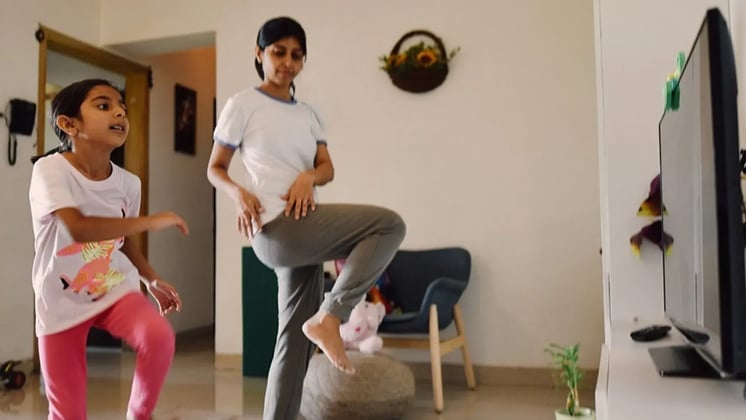
Between school, homework, tuition, social media and long hours on screens, teenagers can spend much of their day sitting. Globally, about 81% of adolescents aged 11–17 years do not get enough physical activity, according to the World Health Organization (WHO). This makes regular exercise for teens an important part of maintaining fitness and building healthy habits. Daily movement can support physical fitness, muscle and bone development, coordination, mood and overall well-being. It can also give teenagers a refreshing break after a busy school day. Exercise does not always mean going to a gym. Simple bodyweight movements such as squats, push-ups, lunges and bridges can be done at home with little or no equipment.
Why Physical Activity Matters for Teens
Regular physical activity can support teenagers during a period of rapid physical and emotional development. It can:
- Support muscle, bone and cardiovascular fitness.
- Improve coordination and movement skills.
- Support mood and mental well-being.
- Provide a healthy break from prolonged sitting and screen use.
- Help build active habits that can continue into adulthood.
WHO notes that physical activity in children and adolescents is associated with benefits for physical fitness, bone health, cognitive outcomes and mental health.
How Much Exercise Do Teens Need Daily?
According to WHO, children and adolescents aged 5–17 years should get an average of at least 60 minutes of moderate-to-vigorous physical activity each day. Most of this should be aerobic activity, while vigorous activities and exercises that strengthen muscles and bones should be included at least three days a week.
According to the Global Recommendations on Physical Activity for Health, the 60 minutes do not have to be completed in a single session. Walking to school, playing sports, cycling, dancing and planned workouts can all contribute to the daily total. If a teenager is currently inactive, starting with shorter periods and gradually increasing activity is a practical approach.
Best Exercises for Teenagers to Stay Fit at Home
These simple exercises for teens can be included in a home workout routine.
Push-Ups
Start in a plank position with hands slightly wider than the shoulders and the body in a straight line. Lower the body with control and push back up. Beginners can perform them with their knees on the floor. Focus on maintaining good form rather than completing a high number of repetitions.
Squats
Stand with feet about shoulder-width apart and keep the chest lifted. Bend the knees and push the hips back as though sitting on a chair, then return to standing. Squats work the legs, hips, and core and can be modified to suit fitness level.
Forward Lunges
Stand upright and step one foot forward. Bend both knees while keeping the chest lifted, then push through the front foot to return to the starting position. Alternate legs and perform the movement slowly enough to maintain balance and control.
Bird Dog
Start on your hands and knees with your back in a neutral position. Extend one arm and the opposite leg, hold briefly, then return to the starting position. Repeat on the other side. This exercise challenges core stability, balance and coordination.
Hip Bridge
Lie on your back with knees bent and feet placed firmly on the floor. Press through your feet and lift your hips while keeping the movement controlled. Lower slowly and repeat. It works the glutes and supports lower-body strength.
Side Hops
Stand with feet together and hop gently from side to side. Keep the knees slightly bent and land softly. Side hops can work as a short warm-up or as an active break between strength exercises. Lower-impact teens can step from side to side instead.
Burpees
Begin standing, squat down and place your hands on the floor. Step or jump your feet back into a plank, then bring them forward and return to standing. A jump can be added at the top for more intensity. Beginners can skip the push-up and jump until they become comfortable with the movement.
Safety Tips Before Teens Start Exercising
Start with a few minutes of easy movement to warm up, and finish with gentle stretching. Encourage teenagers to drink water, wear comfortable footwear and focus on correct posture and technique. They should increase intensity gradually rather than trying to complete advanced exercises immediately. If an exercise causes pain, stop and seek appropriate professional advice.
Conclusion
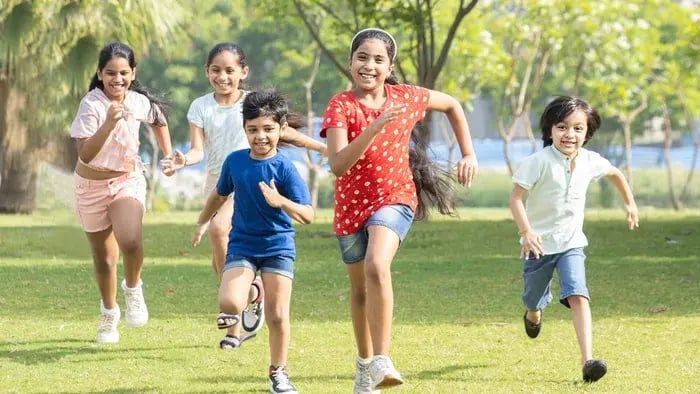
These exercises can help teenagers build strength, flexibility, balance and overall fitness at home with minimal equipment. Parents can encourage teens to choose two or three exercises they enjoy and gradually build a regular routine. The goal is not perfection but making daily movement a natural part of life.
Frequently Asked Questions
Can teens build muscle with bodyweight exercises alone?

Yes. Bodyweight exercises such as push-ups, squats and lunges can build strength, especially when performed with good form and gradually increased difficulty.
What's the best exercise for teens who dislike gym workouts?
Sports, cycling, dancing, brisk walking, bodyweight exercises and active games are good alternatives. The best activity is one they enjoy and can do regularly.
Is it safe for teens to do high-intensity exercises like burpees?
Burpees can be suitable for many teens when performed with proper technique and an appropriate intensity. Beginners should start with modified versions and gradually increase the difficulty.
Her love for storytelling began with reading her grandfather’s speeches, where Tarishi saw the power of words in creating lasting memories. Combining her passions for food and writing, she has turned her life into a fulfilling path of sharing stories that celebrate flavours and how food brings communities together.
The views expressed are that of the expert alone.
Popular Topics