




 Parenting Guide


 Child Health & Growth


 Learning & Skills Development


 Food & Nutrition


 Bournvita






Introduction
Daily food habits play a steady role in shaping growth, energy, and focus, which makes a healthy diet for kids in 2026 an important part of everyday life. Simple, balanced choices work better than complicated plans.
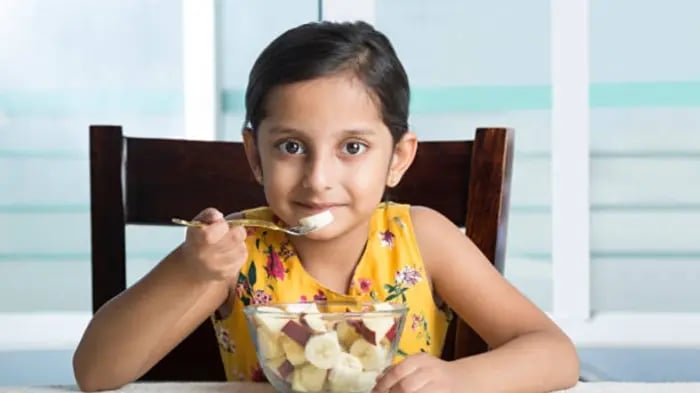
According to WHO, a healthy diet supports physical growth, brain development, and daily stamina. Regular meals help maintain energy levels throughout school and play. Carbohydrates provide fuel for learning and movement. Proteins support muscle growth and repair. Fruits and vegetables provide vitamins and minerals that support immune function. Vitamin C helps the body absorb iron more effectively, supporting energy and concentration. Calcium and vitamin D support bone strength during growing years. Even hydration matters, as mild dehydration can affect mood and attention.
Healthy eating habits also influence behavior and focus. Balanced meals reduce sudden hunger and irritability. Home-style foods with familiar ingredients feel comforting and easier to accept. Small changes, such as adding vegetables to regular meals or choosing whole foods more often, make a difference without resistance. Variety across the week ensures better nutrient intake.
A positive approach helps healthy eating feel natural. Food should support daily life, not control it. With simple guidance and consistency, kids develop better food awareness and confidence. These healthy diet tips for 2026 focus on nourishment, balance, and energy, helping kids stay active, alert, and ready for each day.
7 Everyday Eating Habits That Help Kids Grow Strong and Energetic in 2026

Creating a healthy eating habit for kids in 2026 is about shaping everyday eating behaviors that support growth, immunity, and steady energy. The way kids eat daily affects digestion, mood, attention, and physical development. Regular habits also help the body use nutrients better, which is especially important during growing years.
These 7 healthy diet habits focus on routine, awareness, and balance, making them practical for school days and family life.
Starting the Day With a Nourishing Meal
Beginning the day with food helps stabilize energy and focus. Long gaps after waking can cause tiredness and irritability. According to a study published in Adv Nutr. 2016, a simple morning meal supports brain function and learning. This habit also helps prevent overeating later in the day. Regular morning nourishment supports growth and sets a predictable eating rhythm. Over time, kids feel more alert and ready for school.
Keeping Gaps Between Meals Consistent

Spacing meals evenly through the day helps regulate hunger signals. Very long gaps can lead to low energy and overeating. As per a study published in Front Nutr. 2025, consistent gaps support digestion and blood sugar balance. This habit helps kids understand real hunger cues. Stable appetite patterns support better nutrient absorption and immunity. Regular spacing keeps energy steady during school hours.
Eating Slowly and With Attention
Slowing down during meals supports digestion and awareness of fullness. Eating too fast can cause discomfort and overeating. Research published in Integr Med (Encinitas). 2019 shows that calm eating reduces stress, which affects digestion and immunity. This habit helps kids recognize when they are comfortably full. Over time, mindful eating improves food choices and satisfaction. It also supports a healthier relationship with food.
Drinking Water Through the Day, Not Just at Meals
Regular water intake supports circulation and digestion. According to UNICEF, thirst can feel like hunger, leading to unnecessary snacking. Even mild dehydration can affect attention and mood. Small sips throughout the day are more effective than large amounts at once. This habit supports nutrient transport and steady energy. Hydration becomes easier when it is part of a routine.
Including Home-Cooked Meals More Often
Home meals tend to be more balanced and predictable. According to the Dietary Guidelines for Indians, regular home-style eating supports digestion and comfort. This habit helps limit excess salt and sugar without restriction. Familiar flavors reduce resistance and encourage better intake. Over time, kids become more comfortable with balanced meals. Consistency matters more than variety here.
Avoiding Eating During Screen Time
Eating while watching screens reduces awareness of hunger and fullness. Research conducted in BMJ Open. 2024 shows that screen-free meals help kids notice taste and portion size. Reduced distraction supports better digestion and appetite control. This habit also encourages calmer meal environments. Over time, kids feel more connected to food and eating cues. This improves balance and routine.
Making Small Changes Instead of Sudden Restrictions
Sudden food restrictions can create resistance. Small, gradual changes feel manageable and sustainable. Replacing one habit at a time builds confidence. According to WHO, this approach supports long-term growth and energy. Kids adjust naturally without pressure. Over time, healthy eating becomes routine rather than effort.
Conclusion

Healthy diet habits in 2026 grow through consistency, not control. Parents support growth and energy by shaping simple eating routines that fit daily life. Small habits practiced regularly help kids stay nourished, active, and confident all year.
Her love for storytelling began with reading her grandfather’s speeches, where Tarishi saw the power of words in creating lasting memories. Combining her passions for food and writing, she has turned her life into a fulfilling path of sharing stories that celebrate flavours and how food brings communities together.
The views expressed are that of the expert alone.
Popular Topics