




 Parenting Guide


 Child Health & Growth


 Learning & Skills Development


 Food & Nutrition


 Bournvita





Introduction
Be it summer or winter vacations, children all over India gear up for freedom and action-packed holidays. Kids like to have an exciting vacation by engaging in different kinds of activities. In such a scenario, summer camps offer a respite from academics and allow kids to engage in several activities, develop new friendships, and discover interests. It is also an ideal way of keeping kids away from screens and sedentary activities, and promoting physical activity.
Summer camps conduct activities that may also enhance a child’s social skills. Besides being enjoyable, these camps cater to the development of children's cognition and emotional development.
How to Choose the Best Summer Camp for Your Child
Choosing the right Summer Camp for Kids can feel overwhelming, especially when there are so many options available. Every child is different, and the ideal camp should match their personality, interests, and comfort level. A well-chosen camp not only offers fun summer camp activities for kids but also supports their growth, confidence, and independence. Understanding the Types of Summer Camps and evaluating the benefits of Summer camps helps you make a more informed decision. When you focus on the right factors, you ensure your child enjoys the full benefits of summer camp for kids while staying safe and happy.
Consider Your Child’s Interests
The first step is to understand what your child enjoys. Some kids love sports, while others prefer art, music, or nature. Choosing camps that align with their interests ensures they actively participate in summer camp activities for kids and enjoy the experience rather than feeling forced.
Choose According to Age and Comfort
Different camps are designed for different age groups. Younger kids may need shorter, less intense programs, while older children can handle longer and more structured camps. Selecting the right age-appropriate Summer Camps for Kids helps them feel comfortable and confident.
Check Safety Measures and Supervision
Safety should always be a priority. Ensure the camp has trained staff, proper supervision, and emergency protocols in place. Understanding safety standards is crucial to fully experience the benefits of summer camp for kids without worry.
Evaluate Location and Accessibility
Choose a camp that is convenient to reach or located in a safe environment. Whether it is a day camp or residential camp, the location should be secure and suitable for children.
Consider Budget and Value
Camps come in different price ranges. Look for options that offer the best value in terms of learning, activities, and facilities. Investing in quality Summer Camps for Kids ensures your child gains maximum exposure and development.
Check Staff and Trainer Quality
Experienced and friendly staff play a major role in shaping your child’s experience. Good trainers enhance summer camp activities for kids and ensure proper guidance and support.
Decide the Right Duration
Some camps last a few days, while others run for weeks. Choose a duration that suits your child’s stamina and schedule so they can fully enjoy the Benefits of Summer Camps without feeling overwhelmed.
Age-Wise Summer Camp Guide
Choosing the right Summer Camps for Kids becomes easier when you match the camp type with your child’s age and developmental needs. Every age group learns and grows differently, so selecting suitable summer camp activities for kids helps them feel comfortable, confident, and excited. Understanding the right Types of Summer Camps for toddlers, young kids, and teenagers ensures they get the maximum Benefits of Summer Camps while enjoying a safe and enriching experience. This age-wise guide will help you choose the best options and unlock the true benefits of summer camp for kids.
Toddlers (Ages 3–5): Gentle Introduction to Camps
At this stage, children need a nurturing and playful environment. Camps for toddlers focus more on fun, creativity, and basic social interaction rather than intense activities. The best Summer Camps for Kids in this age group include short-duration programs with engaging summer camp activities for kids like storytelling, simple art and craft, music, and light outdoor play.
Best Camp Types:
- Arts and Craft Camps
- Play-Based Activity Camps
These camps help toddlers improve motor skills, develop creativity, and learn how to interact with others. The focus is on building comfort, routine, and confidence while introducing them to structured group activities.
Kids (Ages 6–12): Skill Building and Exploration
This is the ideal age when children are curious, energetic, and ready to explore different interests. Summer Camps for Kids in this age group offer a mix of fun and learning through structured summer camp activities for kids. These camps help in developing physical strength, teamwork, and creativity while keeping children engaged.
Best Camp Types:
Adventure Camps
Adventure camps are perfect for kids who enjoy outdoor challenges. Activities like trekking, zip lining, and climbing help build endurance, confidence, and resilience. These camps also push children slightly out of their comfort zones in a safe environment.
Sports Camps
Sports camps focus on games like cricket, football, swimming, and tennis. They help improve physical fitness, coordination, and discipline. Kids also learn teamwork and sportsmanship through regular practice and guidance.
Arts and Craft Camps
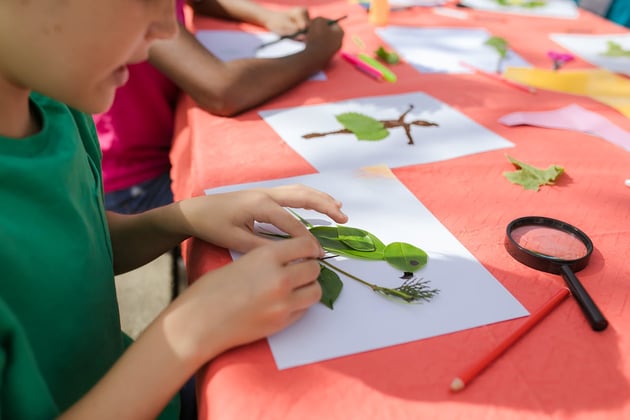
Creative camps allow children to express themselves through painting, crafting, and DIY projects. These Types of Summer Camps enhance imagination and keep kids engaged in productive activities.
Nature and Wildlife Camps
These camps introduce children to the natural world through activities like nature walks, bird watching, and simple trekking. They help kids understand the importance of the environment and staying active outdoors.
Teenagers (Ages 13–17): Advanced Skills and Independence
Teenagers are ready for more challenging and specialized experiences. Summer Camps for Kids in this age group focus on skill development, independence, and leadership. The summer camp activities for kids become more intense and structured, helping teens prepare for real-life situations.
Best Camp Types:
Adventure and Leadership Camps
These camps include activities like trekking, rock climbing, and survival training. They help teenagers develop leadership qualities, decision-making skills, and confidence.
Sports Training Camps
Advanced sports camps provide focused training in specific sports. Teens can improve their performance, learn advanced techniques, and even prepare for competitions.
Nature and Exploration Camps
These camps involve activities like wildlife exploration, mountaineering, and environmental studies. They help teens connect deeply with nature while building physical stamina.
Creative and Skill-Based Camps
Art, music, photography, or design camps allow teenagers to explore their passions and even discover career interests.
Benefits of Summer Camps

Now that you know about some popular summer camps, here is a deeper look into how these can be beneficial for your kids.
Improvement in Physical Fitness
Hiking, swimming, and team sports are part of most camps undertaken during the summer. As per the National Heart, Lung, and Blood Institute, such activities may help children improve their endurance, strength, and physical fitness. Hiking builds up stamina and strength in the legs, swimming develops cardiovascular health and tone muscles whereas team sports like football and cricket develop coordination and agility.
Development of Coordination and Motor Skills
According to children published in 2021, activities like climbing, cycling, and team sports require hand-eye coordination and can develop motor skills. Such activities help children enhance coordination and develop motor skills. For example, climbing requires very definite movements and balance, while cycling builds up strength and coordination in the legs. Team sports also teach kids how to work together, developing social skills and physical abilities.
Improved Flexibility and Balance
Activities such as yoga and dance, involved occasionally in summer camps, can enhance flexibility and balance. According to the study published in Front Physiol. 2022, yoga helps children to develop a strong core and overall flexibility, while dancing helps in building rhythm, coordination, and balance. Such activities work wonders on the child's physical health but also on his mental health since they can relax and reduce stress.
Cardiovascular Health Building
Activities, like running, swimming, cycling, etc. may decrease the risk of heart diseases. Research published in Front Cardiovasc Med. 2019 shows that meticulous indulgence in these exercises strengthens the heart, improves blood circulation, and increases overall endurance. Summer camps are excellent avenues that can provide a structured environment for regular indulgence in such cardiovascular exercises.
Improving Sleep
Several studies named Cureus. 2023, have proved that physical activity improves the quality of sleep, and summer camp activities are a great way for children to engage in physical exercise to help them sleep better at night. If children are engaged in outdoor activities or physically exerted during the day, then at night they will surely sleep more soundly and have deeper levels of rest. This, in turn, permits proper health and well-being.
Improved General Health and Well-being
Activities done in summer camps benefit children in different ways on their all-round physique and well-being. According to WHO, doing regular exercise improves cardiovascular health and reduces chances of obesity and other health issues. It may also boost the mood and self-esteem of a child. Such physical activities can also build emotional and mental health.
What to Pack for Summer Camp

Packing for camp is just as important as choosing the right one. A well-packed bag ensures your child stays comfortable, safe, and ready to enjoy all summer camp activities for kids. Preparing in advance also helps avoid last-minute stress and ensures your child has everything needed to experience the full benefits of summer camp for kids.
Comfortable Clothing
Pack light, breathable clothes suitable for outdoor activities. Include extra sets to handle sweat and dirt from active summer camp activities for kids.
Personal Hygiene Essentials
Items like toothbrushes, toothpaste, soap, sanitizer, and towels are important to maintain cleanliness and health during camp.
Safety Essentials
Include sunscreen, caps, insect repellent, and a small first-aid kit. These are necessary, especially for outdoor Summer Camps for Kids.
Important Documents
Carry ID cards, medical records, emergency contact details, and any permission forms required by the camp organizers.
Activity-Specific Gear
Depending on the camp type, pack items like sports shoes, swimwear, art supplies, or trekking gear. These enhance participation in summer camp activities for kids.
Snacks and Water Bottle
A reusable water bottle and healthy snacks help keep your child hydrated and energized throughout the day.
Comfort Items
For younger kids, a favorite toy or small comfort item can help them adjust better to the new environment.
Conclusion
A summer camp can have a plethora of benefits for a child and be a positive impact on their overall well-being. Additionally, such camps can be a getaway for kids to meet new people and engage in some exciting activities instead of staying at home and using phones.
Frequently Asked Questions
At what age is summer camp best?

Children as young as 4–5 years can start with short day camps, while older kids can join longer programs. The right age depends on a child's comfort and readiness for Summer Camps.
Are summer camps safe for kids?
Yes, most camps follow strict safety guidelines with trained staff and supervision. Choosing reputable camps ensures your child enjoys the benefits of summer camp for kids safely.
How long should a camp last?
Camps can range from a few days to a few weeks. Shorter camps are ideal for beginners, while longer ones help children fully experience the Benefits of Summer Camps.
What should kids carry to camp?
Kids should carry comfortable clothes, hygiene items, safety essentials, documents, and activity-specific gear to enjoy all summer camp activities for kids comfortably.
Deepali is a senior food and wellness writer with over a decade of experience in top media houses, crafting engaging narratives. She is a professional home baker and loves exploring food from every corner of the world to reading cookbooks. She believes a healthy lifestyle is a combination of both mental and physical fitness. Her goal always remains to keep moving, eating seasonal and practicing gratitude.
The views expressed are that of the expert alone.
Popular Topics