




 Parenting Guide


 Child Health & Growth


 Learning & Skills Development


 Food & Nutrition


 Bournvita





Introduction
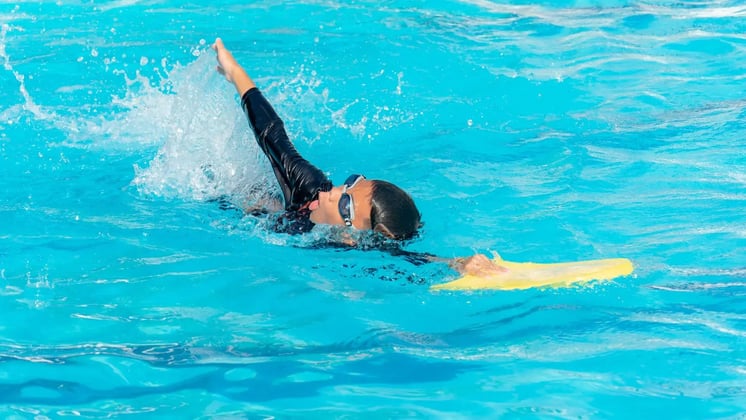
Swimming is a one-of-a-kind childhood physical skill. It is a life-saving safety skill, a full-body workout for the heart and lungs, and a developmental activity that works the gross motor, cognitive, and emotional systems in ways that land-based sports don't. Parents who put swimming first early on give their kids a skill that will help them in all kinds of situations, from fun to competitive to emergency.
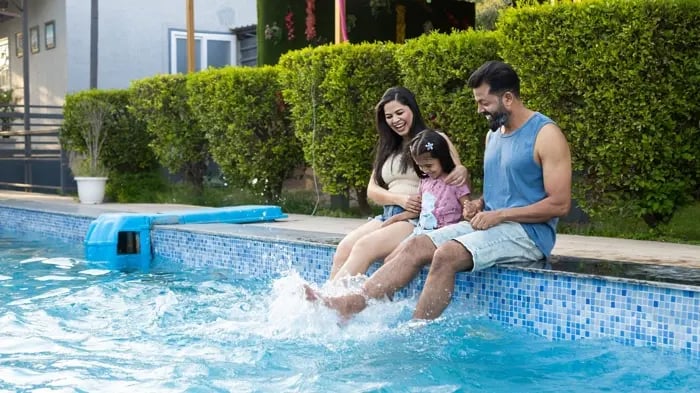 Swimming is different from most sports because it requires the coordinated activation of almost all major muscle groups at once. It also requires breath control, bilateral coordination, and spatial orientation in a three-dimensional aquatic environment. This physical complexity is exactly what makes swimming so good for development. The body and brain have to work together in a way that builds neuromotor skills far beyond what you can see in the pool.
The benefits of learning to swim begin accumulating from the first lesson and compound progressively with each skill level achieved. Kids who swim often get stronger, more emotionally stable, and smarter, which helps them do better in school, feel more confident around other people, and stay healthy for a long time. According to the American Academy of Pediatrics, swimming lessons greatly lower the risk of drowning for kids ages one to four. They also have a lot of physical and developmental benefits that last throughout childhood.
5 Benefits Of Learning To Swim For Kids
1. Builds Complete Physical Fitness
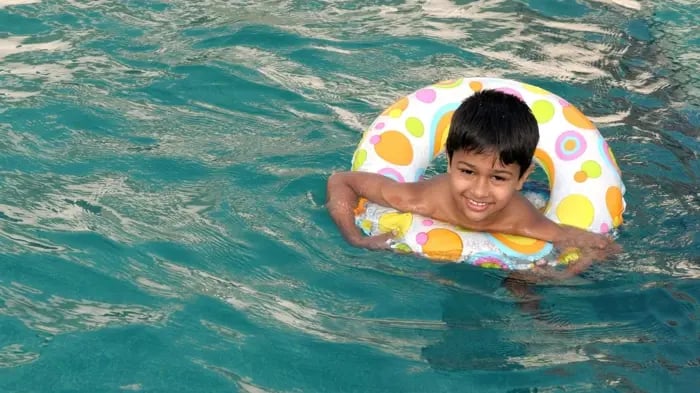
Swimming builds cardiovascular endurance, muscular strength, flexibility, and coordination all at the same time. This makes it one of the most physically comprehensive activities that can teach you how to swim through a single sport. Water resistance exercise works every major muscle group with each stroke, which helps the body grow in a balanced way without putting stress on the joints like high-impact land sports do in growing skeletal systems. Compared to other kids who don't swim much, kids who do swim regularly have better lung capacity, better posture and muscle development, and healthier cardiovascular markers.
The American Academy of Pediatrics states that kids who swim regularly have better cardiovascular health, stronger musculoskeletal development, and more balanced physical fitness than kids who play sports that only work one muscle group during their childhood years.
2. Develops Water Safety And Drowning Prevention
One of the most important benefits of learning to swim is that it makes them safer around water. Drowning is still one of the leading causes of accidental death in kids around the world, and being able to swim directly lowers this risk more than any other single thing parents can do. A child who can float, tread water, and find their way to safety in an emergency on the water has a life-saving skill that only passive water awareness education can give them with the same level of protection.
The Centers for Disease Control and Prevention voices that kids aged one to four who take formal swimming lessons are 88% less likely to drown. This makes early swimming lessons one of the best ways to keep kids safe during preschool and early primary school.
3. Supports Cognitive Development And Academic Performance
Swimming requires a lot of coordination because you have to keep track of your breathing, move both limbs at the same time, stay in the right position, and navigate in the right direction. This uses parts of the brain that are not used in other simple physical activities. This neural complexity is one of the least talked about but most important benefits of learning to swim. This is because developing swimming skills puts a lot of stress on the same working memory, attentional control, and sequential processing skills that are used every day in school.
The NIH National Library of Medicine says that kids who do regular physical activities that require complex bilateral coordination do better on cognitive tests and pay better attention. They have better executive functioning than kids who do less neurologically demanding physical activities during their primary school years.
4. Builds Emotional Resilience And Confidence
Learning to swim is a real physical challenge for kids. They have to deal with the discomfort of being in a new sensory environment and learn how to control their breathing. Overcoming these obstacles builds a kind of confidence that comes from real physical success rather than just feeling good about yourself. This makes emotional resilience one of the most lasting benefits of learning to swim, as it applies to academics, social situations, and personal life well beyond the pool.
The American Psychological Association expresses that kids who learn physically challenging skills as well as kids have more self-efficacy and can handle stress better. They are more confident when faced with academic and social challenges as they grow up than kids who don't have as many experiences with physical mastery.
5. Promotes Healthy Sleep And Emotional Regulation
Swimming is one of the best things for kids to do to help them get deep, restorative sleep. This leads to better mood, better behavior, and better academic focus the next day. Swimming on a regular basis also lowers cortisol levels, which makes it a really good way for kids to deal with stress when they're dealing with schoolwork and social situations. People often forget about these health benefits of learning to swim, but research has shown that swimming can help school-aged kids sleep better and control their emotions better.
The NIH National Library of Medicine says that kids who do regular, vigorous exercise sleep better, have better emotional control, and have more stable mood patterns than kids who don't get enough exercise every day during primary and secondary school.
Swimming Essentials For Kids Table
| Essential Item | Purpose | What To Look For |
| Swimsuit | Comfortable, unrestricted movement in water | Chlorine-resistant fabric, secure fit, no loose elements |
| Swimming Cap | Protects hair, reduces drag, improves hygiene | Silicone preferred over latex for durability and comfort |
| Swim Goggles | Protects eyes from chlorine, improves underwater visibility | UV protection, anti-fog lens, adjustable strap |
| Kickboard | Supports leg kick practice during lessons | Lightweight foam, appropriate size for child's age group |
| Pull Buoy | Supports body position during arm stroke practice | Foam construction, correct size for child's body weight |
| Flotation Vest | Safety support for non-proficient swimmers | CE-certified, correct weight rating, snug fit |
| Swim Fins | Develops kick strength and body position awareness | Soft blade, correct foot size, comfortable heel strap |
| Waterproof Bag | Carries and stores wet equipment after sessions | Mesh or waterproof lining, adequate capacity |
| Towel/Robe | Post-swim warmth and drying | Quick-dry microfibre, child's size appropriate |
| Water Bottle | Hydration before, during, and after swimming | Leak-proof, BPA-free, marked with child's name |
Conclusion
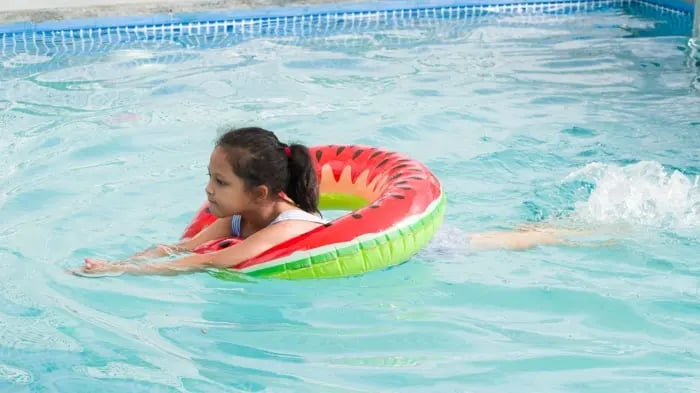
The benefits of learning to swim extend far beyond physical fitness. They build emotional strength, cognitive growth, and lifelong healthy habits at the same time as they keep kids safe from drowning. Parents who pay for their kids to take professional swimming lessons when they are young give them one of the best developmental gifts they can get, with benefits that last throughout their lives.
Smriti is a content writer who creates clear, practical, and informative content backed by science and relevant data. With a strong understanding of structured writing, she breaks down complex topics into simple, actionable insights. Her work is focused on helping readers prepare, learn, and grow with confidence and clarity.
The views expressed are that of the expert alone.
Popular Topics