




 Parenting Guide


 Child Health & Growth


 Learning & Skills Development


 Food & Nutrition


 Bournvita



Did you find this useful?


Mindfulness
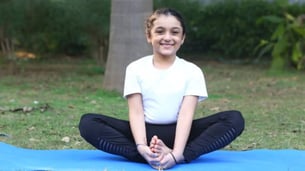
Mindfulness for kids is no longer an alternative wellness trend. In India, the National Education Policy (NEP 2020) explicitly recognizes yoga and mindfulness-based practices as essential components of holistic school education—a formal recognition of what traditional Indian knowledge systems have long understood. At its heart, mindfulness exercises for kids are not complicated. They are about training the mind to focus deliberately on the present moment — a breath, a sound, a sensation — without judgment. The Tayyari Jeet Ki guide on mindful parenting in India provides age-appropriate practices that can help your child develop calmness, focus, and emotional intelligence as daily habits.Read more













Calculate your child's nutrition score with

Frequently Asked Questions
What is mindfulness for kids and why is it important?

Mindfulness for kids teaches children to focus on the present moment with calm awareness—reducing anxiety, improving attention, and building emotional resilience that supports mental health throughout life.
How to teach mindfulness to children?
Here are some simple mindfulness activities for kids: belly breathing, mindful eating, gratitude journals, body-scan games, mindful coloring, and walks in nature or at home with five-senses awareness.
At what age can children start practicing mindfulness?
Children as young as 3–4 years old can begin with simple mindfulness exercises, such as slow breathing and listening games. Structured meditation for kids is effective for ages 6 and above.
How does mindfulness help with focus and emotional balance?
Regular mindfulness for kids reduces stress hormones, trains attention control, and builds the habit of pausing before reacting—directly improving focus, emotional balance, and classroom performance.
Browse Other Categories
Track your family's health journey, together - fitness, nutrition, and wellness milestones in one place.