




 Parenting Guide


 Child Health & Growth


 Learning & Skills Development


 Food & Nutrition


 Bournvita



Did you find this useful?


Life Skills & Values
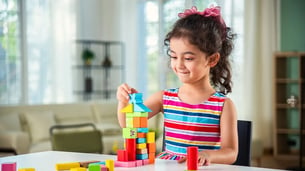
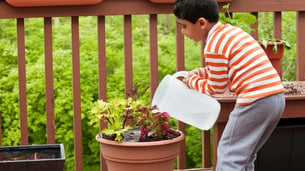
In a social environment that is becoming increasingly automated, competitive, and rapidly changing, academic marks alone are not enough. India’s National Education Policy 2020 explicitly recognizes life skills for children in India as a national priority—with eight Indian states, including Delhi, Karnataka, Jharkhand, and Uttar Pradesh, already incorporating life skills curricula and teacher training into their school systems. Moral values for children serve as the ethical basis for life skills. The Tayyari Jeet Ki Life Skills & Values section provides Indian parents with guidance, tools, and activity ideas to raise children who are truly kind-hearted, resilient, and ready to take on the world.Read more












Calculate your child's nutrition score with

Frequently Asked Questions
What are the most important life skills to teach a child?

Communication, problem-solving, decision-making, empathy, self-regulation, resilience, and basic financial awareness are core life skills for kids and are the foundation for academic, social, and professional success.
How can I teach values like honesty and empathy at home?
Model moral values in your everyday life to inculcate important life skills for children. Discuss moral values with your family. Tell your children age-appropriate stories about Indian leaders. Role-play scenarios. Respond consistently and calmly when children make mistakes.
At what age should I start teaching my child life skills?
Values to teach kids – Indian experts suggest starting as early as 3 – 4 years with simple household chores like organizing and sharing, and escalating to decision-making, money sense, and conflict resolution by the age of 10 – 12.
How do everyday tasks help build life skills in kids?
Cooking, budgeting, chores, resolving conflicts—everyday life skills for kids—build responsibility, independence, problem-solving, and empathy better than any structured classroom lesson alone.
Browse Other Categories
Track your family's health journey, together - fitness, nutrition, and wellness milestones in one place.