




 Parenting Guide


 Child Health & Growth


 Learning & Skills Development


 Food & Nutrition


 Bournvita






Introduction
Kids make sense of the world through playing. The right games for kids certainly do more to their brains and development than just passing the time. Mind development games for kids help build cognitive skills like logic, memory, creativity, problem-solving that feels natural because it happens through enjoyment rather than effort. Whether your child likes to play puzzles, board games, or digital games, there is something on this list that will keep them engaged while sharpening the thinking skills that can be useful lifetime.
Introduction to Mind Development Games
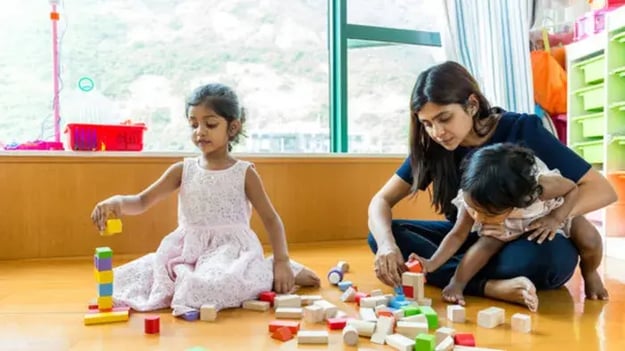
The best thing about fun mind games for kids is that children do not even realise that they are learning. When a child plays a chess puzzle, they develop strategic thinking. While arranging tangram shapes they are building spatial awareness. Another playing a trivia game with the family is expanding general knowledge and quick recall, which is all without a worksheet in sight.
These games also create some important experiences. Playing together as a family builds communication, healthy competition, and teamwork, along with the cognitive benefits. These games help children associate learning with enjoyment, which is one of the most valuable foundations you can give them.
Top 10 Mind Development Games for Kids
1. Chess – Strategy and Critical Thinking
Chess teaches children to think ahead, anticipate outcomes, and plan under pressure. It builds patience and logical reasoning. Even beginners benefit quickly from this game. The very first lessons in predicting an opponent's move start training strategic thought.
2. Sudoku – Logical Reasoning and Pattern Recognition
Sudoku is a number puzzle that has nothing to do with maths and everything to do with logic. Children learn to eliminate possibilities, recognise patterns, and work methodically toward a solution. If children play this regularly, it will help their concentration and problem-solving confidence.
3. Scrabble – Vocabulary and Word Formation
Forming words from a random set of letters pushes children to recall vocabulary, experiment with spelling, and think strategically about placement. Scrabble builds language skills in children and also helps them build spatial and strategic thinking that carries across subjects.
4. Brain Teaser Puzzles – Creative Problem-Solving
Riddles, logic grids, and lateral thinking questions train children to approach problems from unexpected angles. These are especially good for children who get stuck when a problem doesn't have an obvious solution.
5. Memory Games – Focus and Retention
Matching card games and recall-based challenges directly strengthen short-term and long-term memory. They also build attention span, which benefits everything from reading comprehension to classroom focus.
6. Trivia Games – General Knowledge and Quick Thinking
Trivia introduces children to facts across science, history, geography, and more in a format that rewards curiosity rather than rote learning. Playing as a family makes it competitive and social, and children tend to remember trivia facts far longer than textbook information.
7. Tangrams – Spatial Awareness and Geometry
Tangrams are geometric puzzles where children arrange flat shapes into specific designs. They build spatial reasoning, introduce geometry concepts practically, and require creative thinking to solve. A quiet, absorbing activity that works well across a wide age range.
8. Coding Games – Logic and Sequencing
Platforms like Scratch, Code.org, and Blockly teach children the basics of programming through interactive challenges. These games build logical thinking, sequencing skills, and computational reasoning while keeping the experience creative and playful.
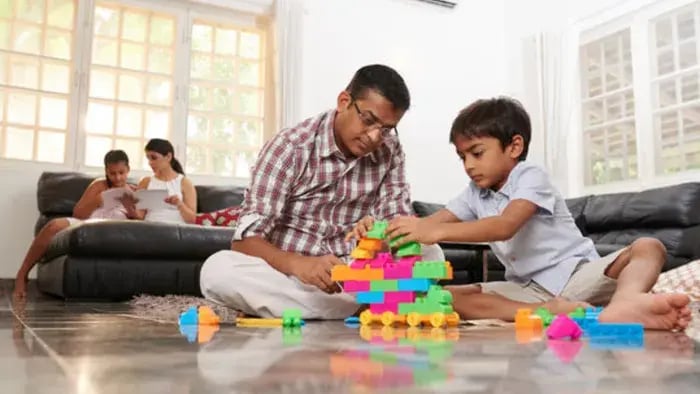
9. Building Block Games – Creativity and Engineering
LEGO, Jenga, and similar building games develop spatial intelligence, fine motor skills, and creative problem-solving. Children who build structures regularly develop a stronger sense of cause and effect, and the satisfaction of a completed build builds confidence too.
10. Strategy Board Games – Decision-Making and Teamwork
Games like Risk, Catan, and Clue require players to strategise, negotiate, and adapt their plans based on what others do. These games build analytical thinking, teach children to weigh options before acting, and develop social reasoning that helps them beyond the game table.
Integrating Games into Daily Routines
Balancing Play and Learning
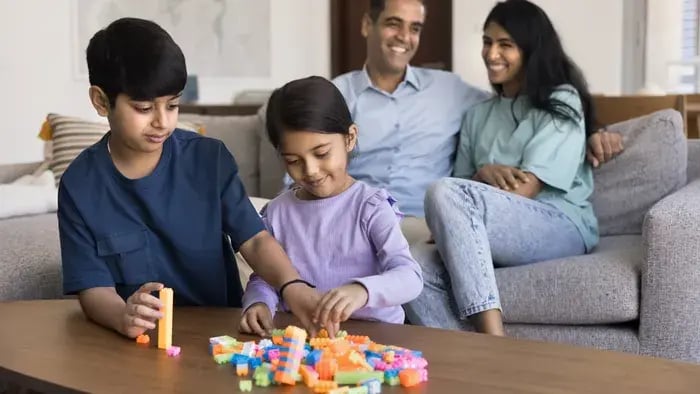
The most important thing here is to have consistency without pressure. A short game session after school or on a weekend morning is more valuable than occasional long sessions. Even fifteen to twenty minutes of chess, a few rounds of trivia, or a quick memory card game builds habits over time.
You can rotate the games to maintain interest and expose children to different types of thinking. Try mixing strategy games with word games and puzzle-based challenges across the week. Most importantly, tone should be light. The moment an educational game starts feeling like homework, the benefit drops significantly. Let children choose from a selection, celebrate effort rather than winning, and join in when you can.
Frequently Asked Questions
What age group are these games suitable for?

Most of the fun mind games for kids on this list cover a wide range. Memory games and building blocks suit children from around age three upwards. Games like Scrabble, trivia, and tangrams work well from around age six or seven. Chess and strategy board games like Catan or Risk are generally better suited to children aged eight and above, though simplified versions exist for younger players.
How can I ensure my child is learning while playing?
The learning happens naturally when children are genuinely engaged, so the main job is choosing games that match your child's current level, challenging enough to hold interest, but not so difficult that they give up.
The views expressed are that of the expert alone.
Popular Topics