




 Parenting Guide


 Child Health & Growth


 Learning & Skills Development


 Food & Nutrition


 Bournvita






Introduction
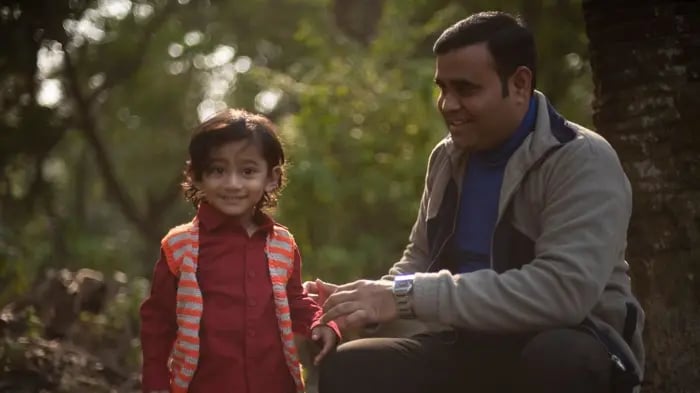
Parents are often concerned about frequent colds and infections throughout the school year. Knowing how to improve immunity in kids can actually reduce that worry. This is not about taking the odd vitamin supplement. Immunity is more than just that. Most people don't realize how important their everyday routines around food, sleep, and activity are. When parents search for how to improve immunity in kids, they often forget simple, consistent routines. Some strategies focus on nutrition while others target stress and sleep. Younger children require different support than active school-age children.
The choice of the right way to strengthen immunity in children depends on their age and lifestyle. Small sustainable changes are more important than dramatic short-term fixes. Here are nine practical strategies that are worth incorporating into routines. Each one supports the immune system through everyday, manageable habits. This finding, published in a peer-reviewed nutrition journal, confirms why learning how to improve immunity in kids starts with everyday habits at home.
9 Effective Ways to Improve Immunity in Kids
1. Prioritize Consistent, Quality Sleep
During sleep, the body releases proteins called cytokines that can help fight infection. Unstable sleep times disrupt the immune system’s day-night rhythm. According to Sleep Med Rev, parents should fight for their children to get age-appropriate sleep every single night. Also, parents should establish a calming bedtime routine in advance and keep it screen-free. Well-rested kids get better faster and get sick less often.
2. Increase Fruit and Vegetable Intake
Colorful produce is packed with vitamins and antioxidants that effectively improve immunity. Parents should always go for variety with their daily meals. According toNIH, getting kids involved in selecting and preparing produce increases their genuine interest. Smoothies are a great way to get in extra servings. It’s the small daily changes that count, not the occasional perfect meal.
3. Encourage Regular Physical Activity
Movement helps to support healthy circulation and the overall immune system. Children should be physically active for at least 1 hour every day. According to Cureus. On 2023 Aug 16, physical activity improves sleep quality and triggers a positive cycle. It’s better to decrease prolonged sedentary screen time during the day.
4. Support Gut Health With Probiotic Foods
A large part of the immune system resides in the gut. Yogurt, kefir, and fermented foods are ways to keep gut bacteria healthy. Also, high-fiber foods feed the good bacteria that support immunity. According to NHS, families should avoid too many processed foods that can upset the balance in the gut. A healthy gut does indeed support better overall immune resilience.
5. Manage Stress Through Calm Routines
Even young children can have depressed immune function from chronic stress. Children feel secure and calm when there are predictable daily routines. Prompt them to talk openly about their fears and difficult school days. Simple relaxation methods such as deep breathing can help a lot. According to NIH, a calmer home environment really does support better overall immune health.
6. Ensure Adequate Hydration Throughout the Day
All body systems are supported by water, including immune cell function directly. Parents should encourage water to be the regular drink, not sugary drinks. Dehydration can interfere with the body’s infection-fighting processes. Kids should have a reusable water bottle for school and activities. According to Florence Nightingale J Nurs. 2022 Oct, good hydration habits are especially important during illness recovery periods.
7. Include Zinc- and Vitamin C-Rich Foods
Citrus fruits, berries, and leafy greens contain vitamin C, which helps support the immune system. According to theNational Institute of Health, zinc for immune function is found in nuts, seeds, and lean meats. These nutrients feed the body's infection-fighting machinery. Usually these needs are covered by a varied diet without extra supplementation. Before giving any particular supplement, parents should check with a pediatrician.
8. Maintain Good Hygiene Habits
Washing hands regularly is still one of the simplest ways to prevent infection. Parents need to teach children to wash their hands properly with soap for 20 seconds. According to NIH, good hygiene reduces exposure to the germs that challenge the immune system. Families should pair hygiene habits with overall lifestyle support to get the best results.
9. Get Regular Sunlight Exposure
According to Dermatoendocrinol. 2013, sunlight also helps the body produce vitamin D, which is important for immunity. Children need brief periods of safe, unprotected sun exposure daily. Outdoor play combines the benefits of sunlight with the benefits of physical activity. In darker seasons, parents should discuss vitamin D needs with a pediatrician. Some sun exposure is good for mood and immune system resilience.
Conclusion

The best way to improve your child’s immunity begins with small, everyday habits. As nutrition research confirmed, everyday choices do matter in immune resilience. Focus on sleep, food, and movement—not quick fixes. Care continues today. Healthier, more resilient childhoods tomorrow.
Smriti is a content writer who creates clear, practical, and informative content backed by science and relevant data. With a strong understanding of structured writing, she breaks down complex topics into simple, actionable insights. Her work is focused on helping readers prepare, learn, and grow with confidence and clarity.
The views expressed are that of the expert alone.
Popular Topics