




 Parenting Guide


 Child Health & Growth


 Learning & Skills Development


 Food & Nutrition


 Bournvita






Introduction

Fiber-rich foods for children are essential for healthy digestion, steady energy, and proper growth. When a kid has a fiber-rich diet, it supports their gut health, helps maintain a healthy weight, improves immunity, and keeps children feeling full and active throughout the day.
Luckily, many Indian foods with high fiber options are already part of everyday meals. Some examples are whole wheat, oats, brown rice, dals, and fresh fruits like guava, papaya, and apples. Vegetables such as carrots, spinach, and sweet potatoes, along with nuts and seeds like almonds, flaxseeds, and chia seeds, are Indian foods with high fiber that will increase your child's daily fiber intake. This guide looks at fiber rich foods for children, along with some simple recipes that you can make with these ingredients that taste delicious and are nutritious as well.
9 High-Fiber Foods for Indian Children
Adding these high-fiber foods to your child's meals is an easy way to support healthy digestion, growth, and overall well-being.
Whole Wheat
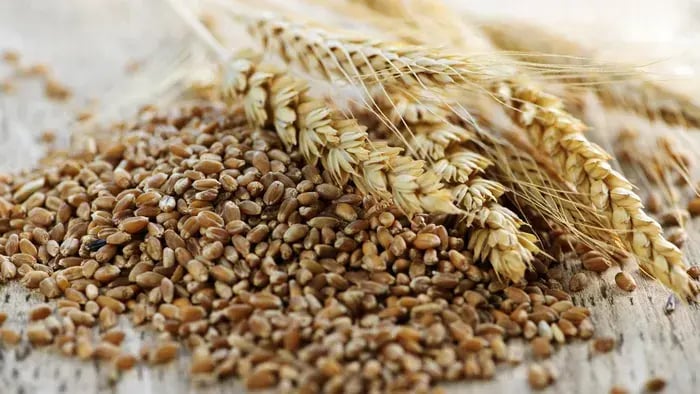
According to a study published in Nutrients. 2020, whole wheat is a rich source of dietary fiber that supports healthy digestion and provides steady energy. You can make whole-wheat rotis, parathas, and bread, which are simple, everyday foods that help improve digestion, support nutrient absorption, and keep children full for longer.
Oats
According to a study published in Lipids Health Dis. 2017, oats are rich in soluble fiber, especially beta-glucan, which supports digestion and heart health. Serving oats as porridge, oats upma, or pancakes provides a filling meal that promotes gut health and sustained energy.
Brown Rice
As per a study published in Food Sci Nutr. 2022, brown rice retains its fiber-rich outer layer, making it healthier than polished white rice. It releases energy slowly, supports healthy digestion, and helps children stay active throughout the day.
Chickpeas (Chana)
According to a study published in Nutrients. 2016, chickpeas are rich in fiber and plant-based protein. Boiled chana salad, hummus, or chana curry are nutritious meal options that improve digestion, promote fullness, and support healthy growth.
Lentils (Dal)
According to a study published in Current Research in Physiology, lentils such as moong dal, masoor dal, and toor dal are excellent sources of fiber, protein, and iron. Simple dal, soups, or khichdi make nutritious meals that support digestion and provide lasting energy.
Flaxseeds
According to a study published in Healthcare (Basel). 2023, flaxseeds are rich in fiber, healthy fats, and antioxidants. Mixing ground flaxseeds into atta, porridge, or smoothies helps support digestion, regular bowel movements, and brain development.
Puffed Rice (Murmura)
According to a study, puffed rice is a great source of energy. It is a light snack, but it becomes more nutritious when combined with sprouts or peanuts. It makes a crunchy, easy-to-digest snack that helps satisfy hunger without feeling too heavy.
Sattu (Roasted Gram Flour)
According to a study published in the Journal of Food Science and Technology, sattu is rich in fiber. It is made from roasted gram and is naturally rich in fiber and protein. It can be enjoyed as a refreshing drink, laddoos, or stuffed parathas, making it an excellent summer food that supports digestion and provides lasting energy.
Broken Wheat (Dalia)
.webp?width=700&height=394&name=broken-wheat-(dalia).webp)
According to a study published in the Journal of Food Science and Technology, broken wheat is easy to digest. This wheat is also high in fiber as compared to normal wheat. Dalia porridge or khichdi provides sustained energy while supporting healthy digestion and gut health.
How Much Fiber Does a Child Need Daily?
A child's fiber needs increase with age. As a general guide:
- 1–3 years: About 19 grams of fiber per day.
- 4–8 years: About 25 grams per day.
- Girls (9–18 years): Around 26 grams per day.
- Boys (9–13 years):Around 31 grams per day.
- Boys (14–18 years):Around 38 grams per day.
The best way to meet these needs is by offering a variety of whole grains, fruits, vegetables, pulses, nuts, and seeds throughout the day. Increase fiber gradually and encourage children to drink enough water to support healthy digestion.
Conclusion
Including fiber-rich foods for children in daily meals is a simple way to support healthy digestion, steady energy, and overall growth. Whole wheat, oats, brown rice, chickpeas, lentils, flaxseeds, sattu, dalia, and other Indian foods with high fiber provide important nutrients that help children stay active and healthy. With plenty of tasty and easily available options, building a fiber-rich diet can become a natural part of everyday family meals.
Frequently Asked Questions
Can too much fiber cause digestive issues in kids?

Yes. Eating too much fiber too quickly may cause bloating, gas, or stomach discomfort. Increase fiber gradually and make sure children drink enough water to help their digestive system adjust.
What are easy ways to increase fiber intake in a picky eater's diet?
Start by making small changes, such as using whole-wheat flour for rotis, adding fruit to breakfast, mixing vegetables into parathas or pasta, serving dal regularly, and sprinkling ground flaxseeds over porridge or smoothies. Offering a variety of colorful, fiber-rich foods in fun ways can also encourage picky eaters to try them.
The views expressed are that of the expert alone.
Popular Topics