




 Parenting Guide


 Child Health & Growth


 Learning & Skills Development


 Food & Nutrition


 Bournvita




Introduction
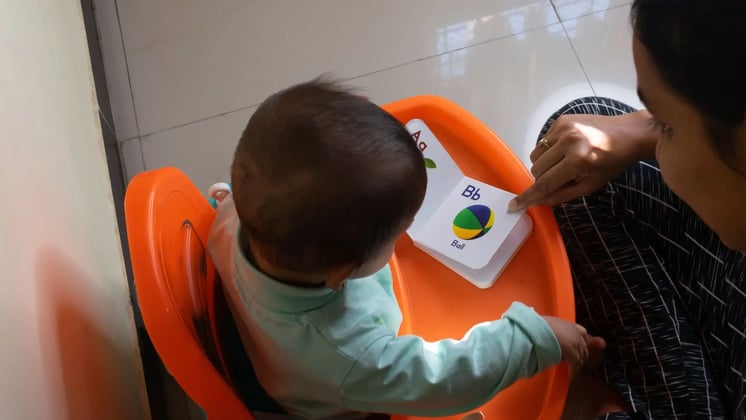
Young children think in pictures well before they think in words. 2021 Early Child Res Quarterly found that visual aids improved children’s letter recognition by 45%. One of the most powerful visual tools is an ABC chart for kids. It gives every letter a face, a sound and a story. Kids relate to “A for Apple” because they can see the apple. An ABC chart for kids takes the abstraction out of language learning.
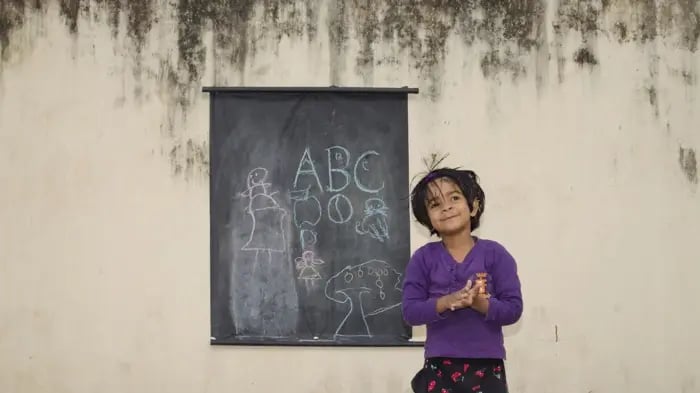
Letters are meaningful symbols, not confusing squiggles. The ABC chart for kids is good for all learning styles at the same time. Visual learners see the image, and auditory learners hear the sound. Kinesthetic learners can physically touch and trace each letter. Early on, using an ABC chart for kids makes for confident readers. Charts lay the groundwork for well into middle school. The best investment you can make in literacy is an abc chart for kids.
ABC Chart for Kids: Tips for Parents
Kids’ ABC chart works best if the parents use it actively. Apply these handy tips to get the most out of its learning:
Position it at your child’s eye level
Younger children ignore charts hung too high. The child who can see it naturally points to it himself. The chart is placed at eye level for daily self-help. This little change makes it a lot more useful.
Point out letters and during everyday reading
Read a story book stop and link letters with the chart. "See, that word starts with B – find B on our chart!" This beautifully links formal and informal literacy moments. The kids’ ABC chart becomes a reference tool, not decoration.
Introduce just three to four letters a week
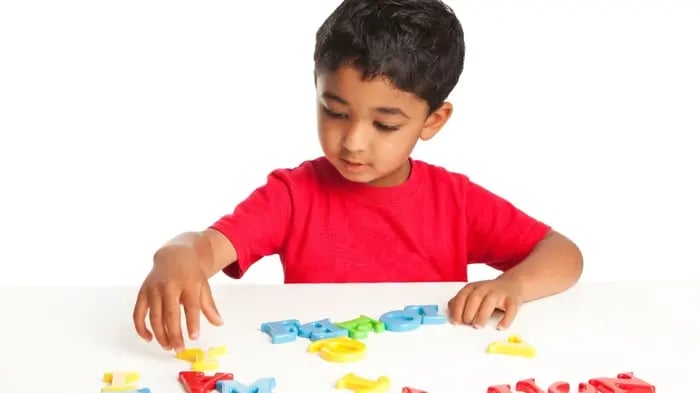
Kids get frustrated and confused when they are bombarded with the entire alphabet. Slow, deliberate introduction leads to strong, lasting letter knowledge. Children learn deeply if they are not rushed through content. With patience, early literacy becomes confident, capable readers.
Associate each letter with a physical action
“A is for Apple — let’s pretend to bite one!” Physical memory anchors are so powerful for young children. Movement + language. More of the brain at the same time. Kids who act out letters remember them much better.
Review letters learnt every single session
New learning needs to be built on secure, confident foundations. Spend the first five minutes going over last week's letters. This spaced repetition approach significantly enhances long-term retention. The abc chart for kids only works if you use it over and over again and consistently.
How to Make an ABC Chart: Step-by-Step Guide (5 Steps)
Step 1: Gather Your Supplies and Choose Your Format
Gather all the materials your child will need before you get started. You’ll need a large poster board, markers, and picture stickers. First, determine if the chart will be in landscape or portrait format. In a landscape chart, each letter has more horizontal space to breathe. The best way for the ABC chart for kids is not to visually clutter. Go for bright, bold colors that jump out at you from across the room. Avoid fancy fonts that may be hard to read or hard to tell what the letters are.
Step 2: Write the Letters in Bold, Clear Print
Lightly pencil in all 26 letters of the alphabet on the poster board. Be sure to leave enough space between each letter so that each letter has its own visible section. Trace over the pencil lines with a thick black marker, confident. Make the uppercase and lowercase of each letter side by side. From the start, children need to know both forms. Always the abc chart for kids should show "Aa" "Bb" "Cc" Try to keep your lines straight and the spacing even using a ruler.
Step 3: Add a Picture for Every Single Letter
Each letter needs only one simple, clear image that a child can recognize next to it. Begin with " A for Apple " , " B for Ball " , and " C for Cat " . Pick pictures your particular child already knows and loves. Familiar pictures make instant, confident connections to new letters. Cut out pictures from old magazines, or print from free educational sites. The ABC chart for children is personalized with real photographs. Neatly glue or tape each picture into its proper letter section.
Step 4: Add the Sound Cue Beside Each Letter
Make the sound of each letter & picture below. For example: "A — /ae/ like Apple" in small, clear letters. This sound cue is a perfect link between visual recognition and phonemic awareness. The ABC chart for children becomes both a visual guide and a pronunciation guide. Use a different color marker to make the sound cue stand out. When you initially introduce the chart, read each sound cue aloud to your child. Say both sounds together, making the mouth movements big.
Step 5: Hang It, Use It, and Update It Together
Place the finished chart in a suitable learning place at your child’s eye level. It can be hung on the wall of the bedroom, playroom or kitchen. The ABC chart for kids should be in a spot where your child naturally hangs out. Have a daily "chart moment" – two minutes of pointing and saying sounds. As your child masters letters, add on a little gold star sticker as a reward. Let your child put the star in place. This builds ownership and pride. Change pictures as your child’s interests or favorites change over time.
Conclusion
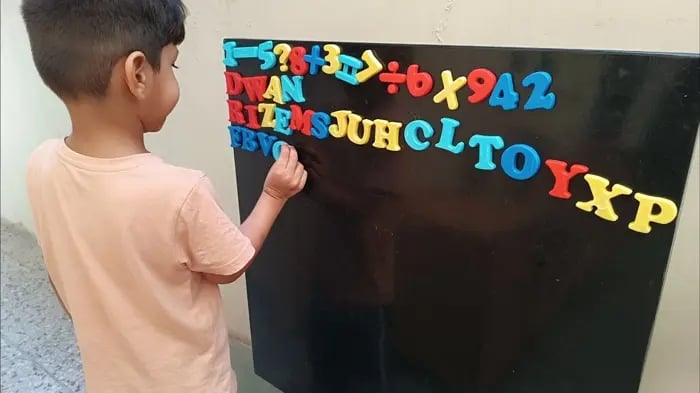
The ABC chart for kids is a small tool, but it has a huge educational reach. It links letters, sounds and pictures into one learning experience. An ABC chart works best when parents actively use it on a daily basis. Learning together makes it personal, joyful, and deeply meaningful. Every confident reader starts on an ABC chart for kids.
Frequently Asked Questions
Q1. How does an ABC chart help children learn letters?

An abc chart for kids helps children connect letters with sounds and pictures, making alphabet recognition easier and supporting early literacy development.
Q2. What activities can parents use with an ABC chart for kids?
Parents can use an abc chart for kids for letter tracing, sound practice, picture identification, and alphabet games that make learning interactive and enjoyable.
Q3. Why are pictures important in an ABC chart for kids?
Pictures help children create visual associations with letters. Anabc chart for kidscombines images and sounds to strengthen memory and understanding.
Smriti is a content writer who creates clear, practical, and informative content backed by science and relevant data. With a strong understanding of structured writing, she breaks down complex topics into simple, actionable insights. Her work is focused on helping readers prepare, learn, and grow with confidence and clarity.
The views expressed are that of the expert alone.
Popular Topics