




 Parenting Guide


 Child Health & Growth


 Learning & Skills Development


 Food & Nutrition


 Bournvita






Introduction
All children form habits, often without even realizing it. Some of those habits are healthy; some are actually harmful. Unhealthy habits in kids are much more common than most parents ever think. A 2017 Harvard Child Development study found early correction plays an important part in determining adult behavior patterns. Children ages four to ten respond best to gentle behavioral redirection.
These are the years when correcting a child's bad habits is easier than it will be later. Parents who take on bad habits in kids early see results much quicker. Often these habits are due to boredom, stress, or simply needing attention. And undesirable habits in children are not at all indicative of inadequate or failed parenting. They are signals that a child needs patience and thoughtful redirection right now. Consistency and calm correction always work much better than punishment or scolding. Children’s undesirable habits like nail biting or too much use of screens, have an immediate effect on physical health.
Early intervention protects the physical and emotional well-being of developing children. "Parents need to know the root cause before they try a corrective strategy. With the right approach and consistency, kids can definitely unlearn their undesirable habits. Stay calm, exercise patience, and maintain consistency every day without exception. Small daily corrections create the biggest and most lasting long-term changes.
5 Common Bad Habits in Kids and Simple Ways to Correct Them
1. Nail-Biting
One of the most common bad habits kids have around the world is nail-biting. A 2019 study in the Journal of Child Psychology found that nail-biting was strongly associated with anxiety in children. It spreads harmful germs and causes painful infections in little hands. Teach your child to press their palms together firmly when the urge comes. Trim your kids’ nails very short so they are not tempted physically very much. Praise them to the skies and loudly every time they successfully resist the habit. Never scold or shame them when they mess up unexpectedly.
2. Excessive Screen Time
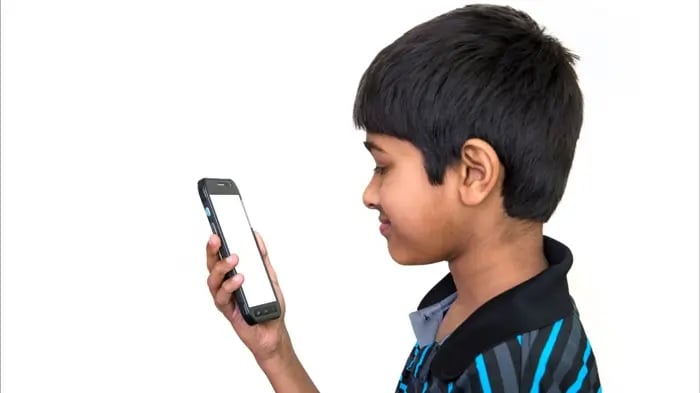
Screen overuse in kids is one of the worst bad habits of modern parenting. According to a WHO report from 2021, excessive screen use can affect the sleep and attention span of children. Set clear daily screen-free times like mealtimes and bedtime routines. Replace screen time with exciting physical activities that are fun and healthy. Include a visible timer countdown so kids can start to manage their usage. It is always best to gradually wean yourself off screen time rather than stopping all at once.
3. Lying
Lying is a common topic in discussions about undesirable habits in children around the world. A 2020 study from McGill University found children lie much more when they have a strong fear of punishment. Create a real safe place at home, where honesty is always rewarded warmly. “Don’t ever shame your child publicly or loudly for telling a difficult truth. Use simple, relatable stories to teach the difference between honesty and unkindness. Model honest behavior yourself. Children take in what they see in parents.
4. Interrupting Conversations

Among the bad habits in kids that strain social relationships is the constant interruption of others. A 2018 study in early childhood education found it is directly linked to poor impulse control in children. Use a calm system of hand signals to teach your child to wait patiently. Regularly role-play conversations at home to practice the skill of waiting together. Acknowledge and celebrate their patience positively and out loud every single time it happens. But doing this consistently, in a few weeks, builds the habit reliably.
5. Skipping Handwashing
One of the most dangerous bad habits in kids that is found everywhere is skipping handwashing. A 2022 UNICEF hygiene report states that proper handwashing reduces childhood illness by 45%. Make hand washing a full, non-negotiable step of every daily routine at home. Make the process fun with fruit-scented soaps and little songs. Use colorful reward stickers on a chart to visually see their progress each week. Visible progress that they can see themselves making each day is very motivating for children.
Things to Keep in Mind While Correcting Bad Habits
Stay calm at all times: Getting angry at a child’s bad habits only reinforces the behavior; it doesn’t stop it.
Be consistent, every single day: One correction means nothing if parents don’t follow up with patience and day-to-day effort.
Uncover the hidden trigger: Most bad habits in kids are due to an unfulfilled emotional need that needs to be addressed.
Lead by example: Children imitate everything they see parents doing every day at home.
Talk about every little win they make: Children are much more powerfully motivated by praise for progress than by pointing out every failure.
Conclusion

Bad habits in kids take a long time to correct; it’s not just one conversation. Here your largest parenting tools are patience, consistency, and true empathy. Tackle bad habits in kids early and you set your child up for success in life. Take one habit at a time and don’t rush the process. With the right approach, progress will always come steadily and surely.
Frequently Asked Questions
Q1. What are the most common bad habits in kids that parents should watch for?

The most common bad habits in kids include nail biting, screen overuse, skipping meals, lying, and interrupting conversations. Spotting these early gives parents a much better chance of correcting them gently and effectively.
Q2. How can parents correct bad habits in kids without constant scolding?
The most effective ways to correct bad habits in kids involve calm redirection, consistent boundaries, and positive reinforcement. Acknowledging good behaviour loudly and ignoring minor slip-ups quietly works far better than repeated punishment.
Q3. At what age do bad habits in kids become harder to break?
Habits formed before age ten are significantly easier to reshape. Addressing common bad habits in kids during early childhood, when routines are still forming, gives parents the best window for lasting change.
Smriti is a content writer who creates clear, practical, and informative content backed by science and relevant data. With a strong understanding of structured writing, she breaks down complex topics into simple, actionable insights. Her work is focused on helping readers prepare, learn, and grow with confidence and clarity.
The views expressed are that of the expert alone.
Popular Topics