




 Parenting Guide


 Child Health & Growth


 Learning & Skills Development


 Food & Nutrition


 Bournvita





Introduction
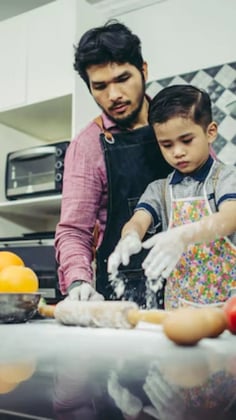
The kitchen provides more real learning experiences than most parents realize. Cooking with kids teaches life skills well beyond following a recipe. Measuring ingredients is a great hands-on way to learn real-life math concepts. Cooking with kids is also a way to teach them about food safety, patience, and how to follow clear instructions in sequence.
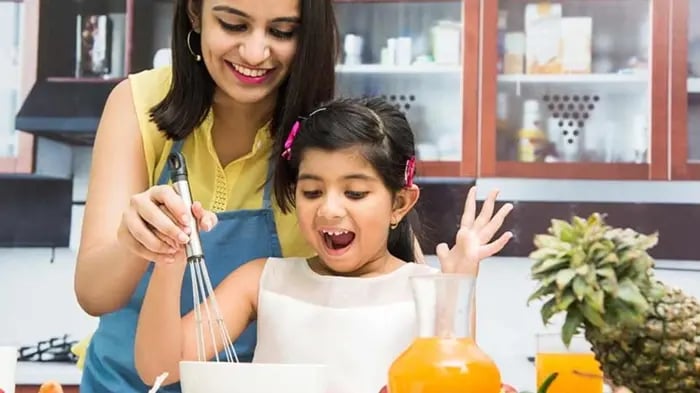
Kids who help cook meals tend to be more adventurous eaters as adults. Kids can help with simple tasks such as stirring the batter or washing the vegetables. Older children can handle more complicated steps such as chopping or exact measuring of ingredients. Select age-appropriate activities, and cooking with kids will be safe and totally fun. Finally, kitchen time also becomes a natural, relaxed opportunity for meaningful family conversation. This guide has super easy recipes that are really fun to do together, safety tips, and activities.
Each idea builds confidence and gives you practical, real, lasting life skills that matter later on. In a controlled experiment children who participated in meal preparation ate significantly more vegetables. This finding, published in apeer-reviewed nutrition journal,explains why involving children in cooking has benefits well beyond the acquisition of skills. Overall, the results show the real-world benefits of involving the kitchen in creating healthier and more sustainable eating practices.
Fun Kitchen Activities to Teach Basic Kitchen Skills
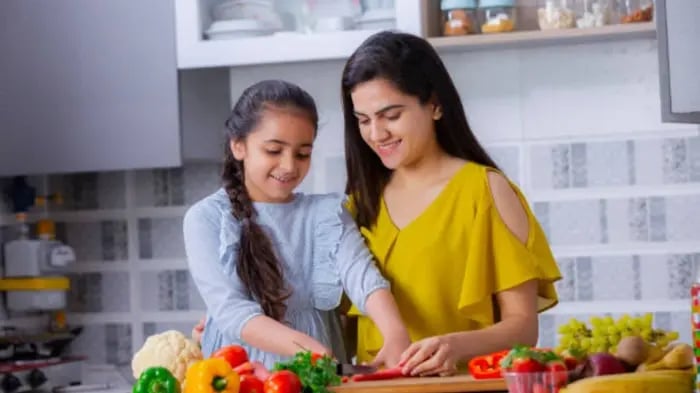
1. Fresh Produce Wash and Dry
Let the little ones wash a colander of fresh vegetables. Let them wash each vegetable under running water at the washbasin, gently. After that, drying all with a clean towel is real care and patience. It’s a basic introduction to cooking with kids with no real risks. Instructs young responsibility and keeps small hands very busy and useful.
2. Tossing Salads and Beating Batter
Give your child a large spoon and a sturdy mixing bowl. Let them stir pancake batter and toss salad ingredients lightly. This task aims at young children’s arm coordination and basic instruction-following skills. It is still one of the easiest ways to get kids to really cook safely. Even if your stirring is a disaster, you’ll develop real confidence and a comfortable familiarity with kitchen tools.
3. Combine Dry Ingredients
Measure flour, sugar, or oats into separate bowls using measuring cups. Show your child to level each cup off with a knife. This introduces basic math concepts with hands-on practical day-to-day application. These early cooking with kids sessions together are teaching measuring builds precision and patience. As children grow, backing up more advanced recipes is a basic skill.
4. Eggs
Gently tap and crack the egg, being sure not to let any shell fall in. Kids can also beat eggs together for scrambled eggs or for easy baking recipes. This task develops your hand control and real confidence in carefully handling delicate, breakable ingredients. It’s a huge step forward in kids' independence when skills develop in cooking. The remaining shell fragments are a normal, low-stakes part of this early learning stage.
5. Butter Knife Soft Food Cutting
A dull butter knife for safely chopping soft items like ripe bananas. Good for early and low-risk cutting practice are soft fruits and cooked vegetables. This introduces basic knife handling; no real danger of cutting is involved yet. This is a good middle step before you break out the sharper tools when cooking with kids. Supervision is still important, but the potential independence is growing considerably in this developmental stage.
6. Following a Basic Written Recipe
Hand over a clearly written recipe featuring short, numbered, easy-to-follow steps. Have your child read each instruction, then follow it with minimal adult help. This also builds reading comprehension, as well as sequential, logical thinking skills that transfer elsewhere. Structured routines when cooking with kids develop over time, and following recipes is real tangible progress. Here little mistakes are learning opportunities, not kitchen disasters.
7. Mixer or Handblender
Demonstrate safe operation to them, then let your child try it themselves. Watch carefully; these appliances have moving parts, so the noise is more noticeable. This task teaches appliance safety and real kitchen responsibility that accumulates over time. It’s an exciting milestone for those who are cooking with kids at this more capable age. The first nervousness around the appliance is quickly overcome, and confidence comes very fast.
8. Complete meal planning and preparation
Have teens pick a simple recipe and prepare it from scratch. This includes writing a shopping list, prepping ingredients, cooking, and final plating. Full ownership builds real confidence and practical, real-world planning skills that matter later on. This is generally one of the more advanced levels of cooking progression with kids. Occasional errors here provide helpful lessons in keeping cool under genuine kitchen pressure.
9. Stovetop and Oven Safety
Before you use the oven or hob on your own, always go over specific safety rules. Teach proper handling of hot pans, oven gloves, and open fires. This step requires trust, which is developed over time with prior supervised kitchen experience. This is a huge milestone in the longer-term cooking-with-kids journeys at home. Good guidelines to avoid accidents but also really encouraging growing independence in the kitchen.
Conclusion
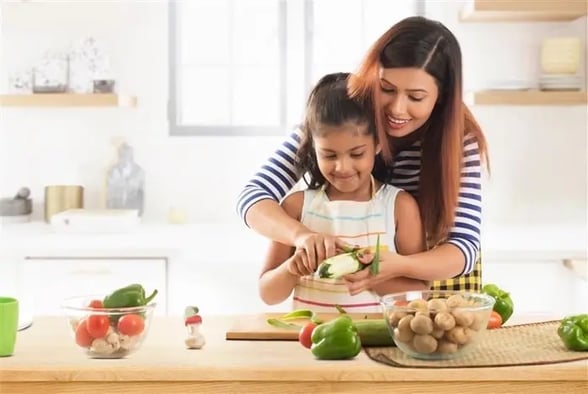
Cooking with kids builds confidence, patience, and real eating habits over time. The meal prep study showed how real involvement leads to more vegetable consumption naturally. Start small, simple, safe, and truly age-appropriate kitchen jobs. Anyway, a meal shared together often tastes better.
Smriti is a content writer who creates clear, practical, and informative content backed by science and relevant data. With a strong understanding of structured writing, she breaks down complex topics into simple, actionable insights. Her work is focused on helping readers prepare, learn, and grow with confidence and clarity.
The views expressed are that of the expert alone.
Popular Topics