



 Parenting Guide


 Child Health & Growth


 Learning & Skills Development


 Food & Nutrition


 Bournvita





Introduction

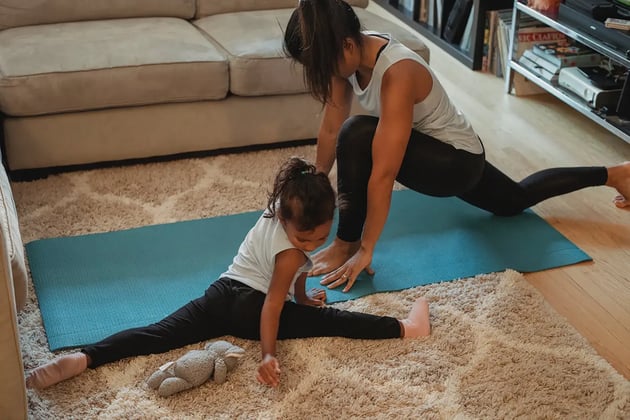
Physical activity in young children is helpful not only for general growth and development but also, perhaps surprisingly, in terms of preventing some types of injuries. This is more of the case in high-intensity activities such as sports, dancing, and even playing on playgrounds. Lacking the strength in feet or ankles can further result in injuries that may hinder the child's development. Therefore, it is vital that exercises enhancing flexibility and building muscles should be included throughout so that children can always be safe engaging in any activity of their choice.
Here are some flexibility exercises that may help minimize the children's risk of acquiring an injury and ensure that kids are safe while having fun:
What Is Flexibility?
Flexibility is the range of motion possible at a joint or group of joints. It is determined by the elasticity of the muscles, tendons, and connective tissue surrounding that joint. Good flexibility is helpful in everyday movement, whether it’s bending to tie a shoe or reaching for something on a high shelf, and it also plays a role in athletic performance across many sports and physical activities.
Flexibility is different for everyone based on genetics, age, and activity level. There is no single “normal” range of motion for everyone, even among children of the same age. Flexibility can improve slowly over time with regular stretching, and results happen through consistent practice, not only after one session. Flexibility is only one part of fitness, but not the only part. It’s important to think about strength, endurance, and balance, too, when you are thinking about a child’s physical ability and health.
Dynamic vs Static Stretching
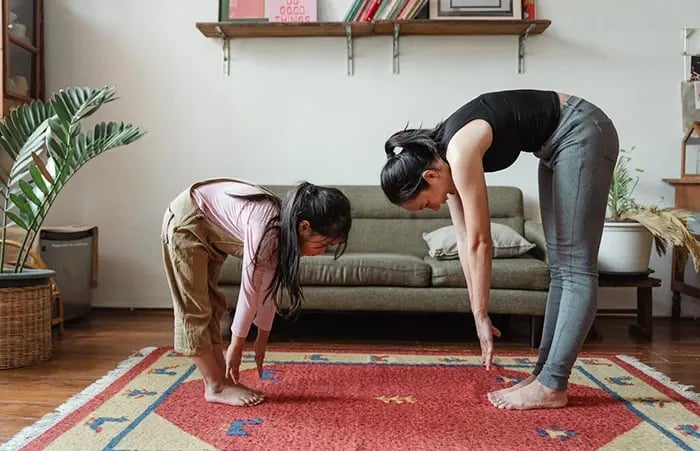
Dynamic Stretching: This is an active movement through a range of motion, such as leg swings or arm circles. This is generally recommended before exercise, as it warms up muscles and improves flexibility through movement.
Static Stretching: It means you'll be holding one long pose, like a seated hamstring stretch, for 20 to 30 seconds. It's typically done after exercising or as a flexibility routine all on its own.
Sometimes , static stretching on cold , unwarmed muscles prior to intense activity has been associated with a temporary decline in power output in some athletic scenarios . This is one of the reasons that dynamic stretching is often the preferred method of warming up prior to activity , whereas static stretching is great to build flexibility during a dedicated cool-down or separate stretching session. Both types can be part of a well-rounded routine, and the key is using each at the right time, instead of one or the other exclusively.
10-Minute Flexibility Routine
Warm-up (2 minutes): Do some activity, such as marching on the spot or gently rotating your arms, to raise body temperature before kids move on to deeper stretches.
Dynamic leg swings (2 minutes): Gentle front-to-back and side-to-side leg swings, holding onto a support as needed, to warm up the hips.
Seated hamstring stretch (2 minutes): Sit with your legs extended and reach gently for your toes. Hold on each side, and don’t bounce.
Shoulder and chest stretch (2 minutes): Gentle arm stretches across the body and above the head to mobilize the upper body.
Cat-cow spinal stretch (1 minute): Move slowly and with control from cat to cow position to mobilize the spine.
Cool down (1 min): Lie down for a moment and breathe slowly to close the routine calmly.
The progression is from general warm-up to specific stretches of major muscle groups, followed by rest, allowing the body to settle before returning to normal activity.
Common Stretching Mistakes

- Ballistic stretching is a sudden, forceful bouncing movement and increases the risk of injury rather than improving flexibility. Avoid these and replace with slow, controlled movement.
- Deep static stretching without a warm-up first is a bad idea. Cold muscles are less bendy and more prone to injury.
- A stretch should feel like mild tension, not sharp or shooting pain; pushing through actual pain risks injury rather than building flexibility.
- Holding a stretch for only a few seconds rarely produces meaningful flexibility gains; static stretches generally need 20-30 seconds to be effective.
- Children with hypermobile or unstable joints should approach stretching cautiously and may benefit from guidance from a physiotherapist rather than following a generic routine.
Conclusion
Regular exercises for flexibility can help children develop mobility and move more comfortably during everyday activities and sports. A balanced routine should include gentle dynamic movements, controlled static stretches, and age-appropriate modifications. Practicing safely, avoiding painful movements, and allowing muscles to warm up can support flexibility while reducing unnecessary injury risks.
Frequently Asked Questions
Which exercises improve flexibility?

Static stretches like hamstring and shoulder stretches, combined with dynamic movements like leg swings, effectively improve flexibility with consistent practice.
Should you stretch before or after exercise?
In general, dynamic stretching is better before exercise, and static stretching is better suited for after exercise or as a standalone practice.
Can stretching prevent injuries?
Stretching may support mobility and movement quality, but it doesn't guarantee injury prevention or heal existing injuries, which require proper medical evaluation.
How often should flexibility exercises be done?
Stretching several times a week, ideally daily for a few minutes, supports gradual, consistent improvement in flexibility over time.
Smriti is a content writer who creates clear, practical, and informative content backed by science and relevant data. With a strong understanding of structured writing, she breaks down complex topics into simple, actionable insights. Her work is focused on helping readers prepare, learn, and grow with confidence and clarity.
The views expressed are that of the expert alone.