




 Parenting Guide


 Child Health & Growth


 Learning & Skills Development


 Food & Nutrition


 Bournvita





Why Teaching Independence Is One of the Most Important Gifts You Can Give Your Child
Independent children aren't born—they're raised. The habits children develop today influence how they solve problems, build relationships, and handle challenges later in life. Studies suggest that children encouraged to develop age-appropriate independence often have stronger problem-solving skills, higher self-esteem, better academic outcomes, and lower levels of anxiety as adults.
Teaching independence does not mean expecting children to do everything alone. It means giving them safe opportunities to make choices, learn from mistakes, and trust their own abilities. Small, everyday experiences gradually build confidence and responsibility. The best part is that many activities to make kids independent, feel like play rather than lessons. Here are 10 practical, fun, and research-backed activities to help your child develop real independence at home.
10 Fun Independence Activities for Kids to Try at Home

If you're looking for the right challenges and activities to foster a deeper sense of independence in your child, here are some that you may like.
Exploring Nature – Building Curiosity and Self-Directed Discovery
Nature provides endless opportunities for independent learning. The Montessori philosophy encourages outdoor exploration because children naturally observe, ask questions, and make discoveries without constant instruction.
Younger children can identify flowers, birds, and insects during walks, while older children can plan a short neighborhood nature trail. Keeping a simple nature journal to sketch leaves or record interesting finds adds another layer of learning. Among the best activities to make kids independent, nature exploration helps children become curious, observant, and confident in finding answers on their own.
Grocery Shopping – Teaching Money, Responsibility and Real-World Confidence

Grocery shopping turns everyday errands into practical life lessons. Children learn about money, planning, communication, and decision-making through simple tasks.
Age-based ideas:
- Ages 5–7: Carry a short shopping list and help pick 2–3 items.
- Ages 8–10: Find products independently while parents supervise.
- Ages 11+: Manage a small budget and complete a shopping task.
This activity also teaches children to compare prices, count change, and understand the difference between needs and wants. It is one of the most practical activities to make kids independent because it mirrors real-life financial skills.
Independent Playtime – Fostering Creativity, Focus and Self-Direction
Research suggests that solitary play helps children develop preferences, focus, and concentration. Child development experts also consider unstructured play essential for building independence.
Provide open-ended materials like building blocks, LEGO sets, puzzles, cardboard boxes, art supplies, or sensory bins. Children can create forts, obstacle courses, or invent their own games. Setting aside a daily "solo play hour" without screens or adult instructions encourages imagination and problem-solving. Simple activities to make kids independent often begin with giving children space to think creatively.
Journaling – Giving Kids a Private Space to Think, Reflect and Set Goals

Journaling encourages self-awareness and emotional growth. Younger children often enjoy prompted journals with guided questions, while older children may prefer free writing.
Helpful prompts include:
- What made me happy today?
- What do I want to learn this week?
- What challenge did I overcome?
Studies have linked journaling with improved emotional regulation and communication skills. Creating a bedtime journaling routine helps children reflect on experiences and build healthy habits. This is one of the most meaningful activities to make kids independent because it teaches children to understand their own thoughts and feelings.
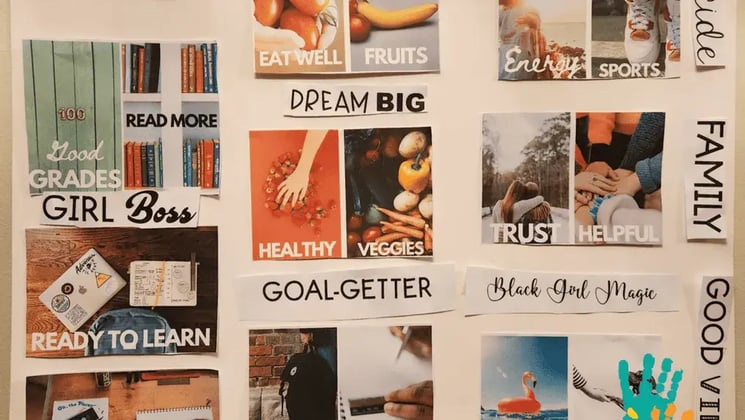
Achievement Collage – Helping Kids Visualise Goals and Celebrate Progress
Achievement collages help children turn dreams into visible goals. Similar to vision boards used in goal-setting psychology, these projects encourage children to think about both accomplishments and future ambitions.
Simple steps:
- Collect magazines, photos, stickers, and drawings.
- Separate achievements from future goals.
- Arrange everything on a poster board.
- Display it where the child sees it daily.
- Update it every few months.
Combining achievement collages with journaling creates a powerful system for self-motivation and confidence building.
Positive Self-Talk – Building an Inner Voice That Says "I Can Do This"
Research published in WILEY suggests that positive self-talk can improve confidence and a sense of autonomy in children. Teaching positive affirmations helps children manage challenges more effectively.
Examples:
- Ages 4–6: I am brave. I am kind. I can do hard things.
- Ages 7–10: I make good choices. I learn from my mistakes.
- Ages 11+: I trust myself to solve problems. My voice matters.
A simple mirror exercise each morning allows children to repeat affirmations and build self-belief. Positive self-talk may also reduce school-related anxiety.
Practising Clear Communication – The Life Skill That Opens Every Door
Strong communication skills help children express feelings, solve conflicts, and build healthy relationships. Independence includes knowing how to ask questions and seek help appropriately.
- Parents can encourage role-playing situations such as:
- Ordering food at a restaurant.
- Asking a librarian for assistance.
- Speaking with teachers confidently.
- Calling a family member independently.
Children who communicate clearly often build friendships more easily and perform better during presentations and group activities.
Decision-Making Practice – Small Choices Today, Big Decisions Tomorrow
Decision-making is one of the strongest indicators of independence. Children gain confidence when they are trusted to make age-appropriate choices.
The two-choice method works well for younger children:
Choose between two snacks.
Pick one of two outfits.
Older children can:
Plan a weekend activity.
Manage pocket money.
Organize homework schedules.
Choose extracurricular activities.
Natural consequences are valuable teachers. Safe mistakes often become important learning opportunities, making this one of the most effective activities to make kids independent.
Simple Household Chores – Building Responsibility Through Daily Routines
Household chores teach children that they contribute to family life. Age-appropriate tasks build responsibility and practical skills.
Children can:
- Make their beds.
- Water plants.
- Fold clothes.
- Set the dinner table.
- Feed pets.
- Organize school bags.
Completing regular chores develops accountability and gives children a sense of achievement while preparing them for adulthood.
Meal Preparation – Teaching Life Skills Through Cooking
Cooking combines independence with creativity and practical learning. Young children can wash fruits and vegetables, while older kids can measure ingredients and prepare simple no-fire recipes.
Cooking teaches:
- Planning.
- Following instructions.
- Math through measuring.
- Patience.
- Healthy eating habits.
Preparing simple snacks or helping with family meals gives children confidence and valuable life skills they will carry into adulthood. It remains one of the easiest activities to make kids independent that families can practice together.
Conclusion
Being independent is a gift that can help a child throughout their life. Independence may pave the way for opportunities and develop a better sense of responsibility among children. Moreover, an independent child may have an enriching experience and a greater motivation to learn more.
Frequently Asked Questions
At what age should kids start doing tasks on their own?

Children can begin simple independent tasks around ages 2–3, such as putting away toys or choosing clothes. Responsibilities can gradually increase with age.
What are the best activities to build independence in kids at home?
Independent play, household chores, journaling, cooking, grocery shopping, and decision-making games are excellent activities that build confidence and responsibility.
How does independent play benefit a child's development?
Independent play strengthens creativity, concentration, problem-solving, and self-confidence while allowing children to discover their own interests and abilities.
How do I make my kids more independent?
Start with small age-appropriate responsibilities, allow safe mistakes, encourage problem-solving, and praise effort rather than perfection. Consistent opportunities help children build independence naturally.
Her love for storytelling began with reading her grandfather’s speeches, where Tarishi saw the power of words in creating lasting memories. Combining her passions for food and writing, she has turned her life into a fulfilling path of sharing stories that celebrate flavours and how food brings communities together.
The views expressed are that of the expert alone.
Popular Topics