




 Parenting Guide


 Child Health & Growth


 Learning & Skills Development


 Food & Nutrition


 Bournvita






Introduction

Friendships form the very basis of childhood and adolescence. They form the basis of how children learn to interact with the world. Social experience has a direct impact on confidence and emotional development. Positive friendships take time to develop trust, empathy, and communication skills. Difficult social situations that remain unresolved can affect a child’s self-esteem. Parental guidance is an important aspect in navigating these experiences. Children thrive on support without constant, direct intervention. This paper examines the constitution of everyday childhood interactions through social dynamics. It deals with empathy, sharing, boundaries, and identifying healthy relationships. Practical guidance is included for supporting a child through social challenges. Understanding these dynamics helps parents to guide without overstepping. Children develop lasting social confidence through regular small doses of support. These skills carry over well past childhood friendships.
Understanding Friendships and Social Dynamics
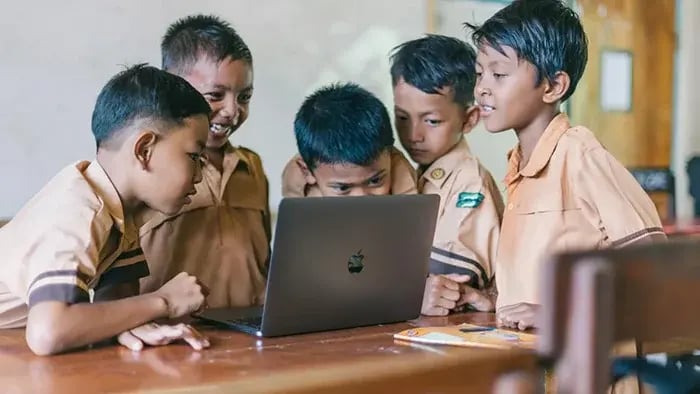
Social dynamics describe the everyday patterns within children's interactions. How they share, collaborate, and resolve differences. Friendships are a safe place for children to practice these skills. “Social exchange is the natural way communication develops on a regular everyday basis. As children learn to work toward shared goals, they learn to cooperate more. Respect is developed when children meet different personalities and preferences. Knowing these dynamics helps parents identify normal social development. It also helps to tell normal friction from worrying patterns. Children react to these dynamics differently depending on their age and temperament. Younger children often need more direct intervention with conflict. Older children like to have time to work out problems themselves. Learning what these stages are can help parents to support their children appropriately.
Teach Children the Value of Empathy and Kindness
Empathy is the ability to understand and share the feelings of another. Children gradually develop this skill through everyday social experience. This is supported by simple prompts such as asking how a friend might feel. Building trust between friends is kindness. Children who practice kindness regularly tend to make stronger connections. Small gestures, like sharing or offering help, reinforce this pattern. Positive behavior between friends improves group dynamics. Which is to say, defending a friend in an argument. The most effective way to reinforce these lessons is by modeling empathy at home. Children often mimic the empathy they see in their parents. It’s not the single lesson; it’s the constant reinforcement that creates lasting empathy. This foundation promotes healthier friendships during childhood and beyond.
Encourage Sharing and Active Listening
Sharing is one way children develop positive, reciprocal relationships with peers. It teaches that friendships involve giving and taking over a period of time. Active listening rounds this out with a sincere interest in others. It means to listen, not to prepare to speak. With plenty of practice in active listening, respectful communication will come naturally. Children who listen well tend to resolve conflicts more smoothly. Both skills help kids make kind, caring friends over time. “Parents can demonstrate active listening in routine conversations with their family. This skill is built through simple practices such as repeating what a friend said. If you encourage turn-taking during play, sharing comes easily. And these little habits add up over time to better social skills. To be consistent in friendships out of the home is to be consistent in the home.
Help Children Set Healthy Boundaries
Boundaries teach children what is good in a friendship. They teach children that their likes and dislikes are worthy of respect. Once boundaries are well understood, it's easier to respect differences. This includes respecting personal space during play and conversation. A child should also learn to say no politely. This does not call for harshness, only clear and calm communication. Kids aware of boundaries are more likely to form healthy friendships. And they improve at reading when others need room. Parents can model this by first respecting a child’s own boundaries. The idea is made simple with everyday, concrete examples. Boundaries are a type of emotional self-care, and they don’t need to be confrontational. The skill is useful in healthy adult relationships.
Recognizing Positive and Unhealthy Friendships
These are the friendships where both parties respect and support each other. Children in these friendships tend to feel okay being themselves. Signs of unhealthy relationships include frequent put-downs or exclusion. Another indication is a constant pressure to do things against one’s own values. Children don’t always find these patterns on their own. Parents can help by asking open and non-judgmental questions about friendships. It helps children to see the impact of friendship on them. It’s important to choose friends who will offer kids real respect and support over time. This knowledge helps kids organically build healthier social circles. It also helps them to spot red flags earlier in new friendships. Sometimes, a gentle hand is better than a heavy one. This helps a child develop his own decision-making for future relationships.
Conclusion

Friendships during childhood lay the foundation for social and emotional development. Parents can teach their children empathy, communication, and boundaries. The best way to use this guidance is continuously, rather than episodically. Encouraging confidence in building relationships benefits children well into adulthood.
Frequently Asked Questions
How can parents help children build healthy friendships?

Modeling these skills of empathy, of active listening and respectful boundaries at home goes a long way. And free sharing of social experiences creates abiding confidence.
Why are friendships important for children?
Friendship helps build communication, empathy, and emotional resilience in the key years of development. These skills translate to school, family, and adult relationships.
Smriti is a content writer who creates clear, practical, and informative content backed by science and relevant data. With a strong understanding of structured writing, she breaks down complex topics into simple, actionable insights. Her work is focused on helping readers prepare, learn, and grow with confidence and clarity.
The views expressed are that of the expert alone.
Popular Topics