




 Parenting Guide


 Child Health & Growth


 Learning & Skills Development


 Food & Nutrition


 Bournvita





Introduction
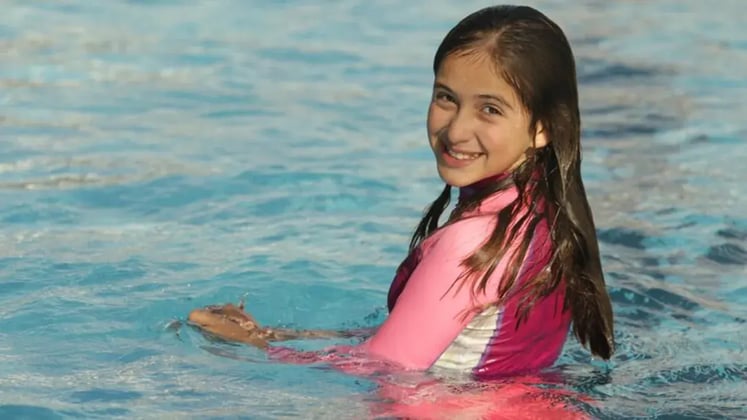
Swimming needs no introduction. Humans have been engaging in the activity for ages for transportation, food hunting, survival, and exercise. However, it has multiple health benefits for children. Swimming is the ultimate sport for increasing endurance and inducing perseverance in kids. No matter how young your kid is, swimming offers overall physical exercise and ensures water safety. While water itself is therapeutic to most kids, it acts as an excellent medium and provides friction for working out without suffering the full brunt of gravity.
Also, it helps children release their stress and negative emotions in a healthy and fit manner. While not every house can accommodate a pool, community pools, school pools, and local swimming clubs are available for this reason. Sign up your kids for a few lessons and see if they enjoy their time. While it may seem initially daunting to young kids, there is no time like now. For older children, swimming acts as the perfect teacher. It will teach them lessons while offering health benefits without much pain or stress. But how to improve swimming endurance and perseverance in kids? Read on to find out.
How Swimming Builds Endurance in Kids
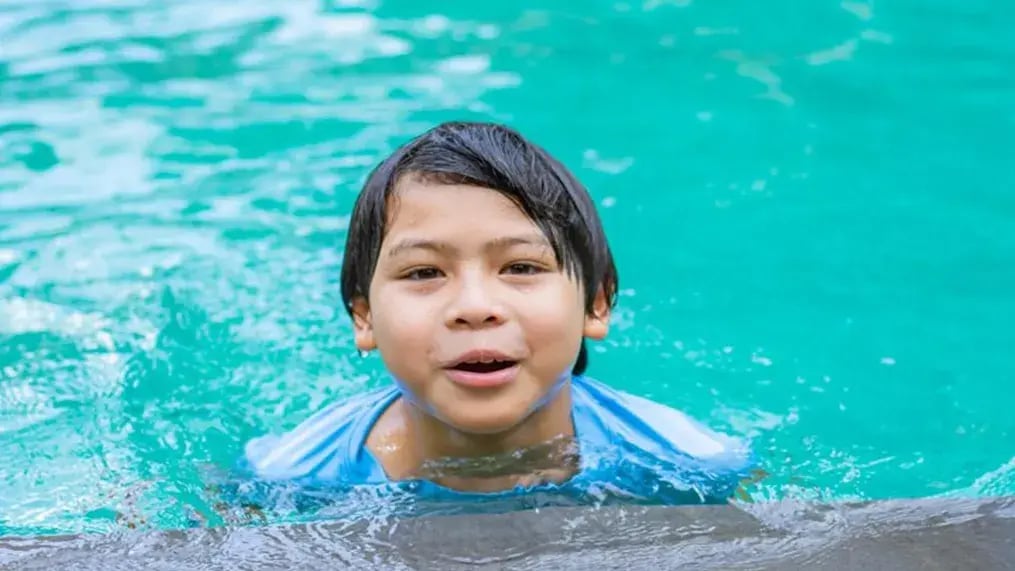
Swimming is one of the few physical activities that develops cardiovascular, muscular, and respiratory endurance. Making it among the most complete fitness investments available for children who want to build how to improve swimming endurance.
Supports Cardiovascular Endurance
Swimming requires the heart to continuously pump oxygenated blood to all major muscle groups throughout the entire session, without rest periods. This sustained cardiovascular demand progressively strengthens heart muscle efficiency, increases stroke volume, and lowers resting heart rate. This helps improve endurance capacity across all physical activities beyond the pool.
Builds Full-Body Strength and Muscle Endurance
Water resistance acts against every movement a swimmer makes at the pool. It means that every stroke, kick, and turn requires muscular effort. The continuous resistance of water across an entire swimming session builds muscle endurance. It allows a child to sustain physical effort without fatigue across progressively longer durations.
Improves Breathing Control and Lung Capacity
Swimming requires deliberate breath control in a way that no other childhood sport demands. One needs consistency or precision, since the timing of inhalation in relation to stroke rhythm must be managed consciously every few seconds across the entire swim. This continuous respiratory training strengthens the respiratory muscles and increases tidal volume. This improves oxygen efficiency in ways that accumulate across swimming sessions, resulting in a measurably greater lung capacity than age-matched non-swimmers typically demonstrate.
How Swimming Helps Develop Perseverance
Teaches Consistency Through Practice
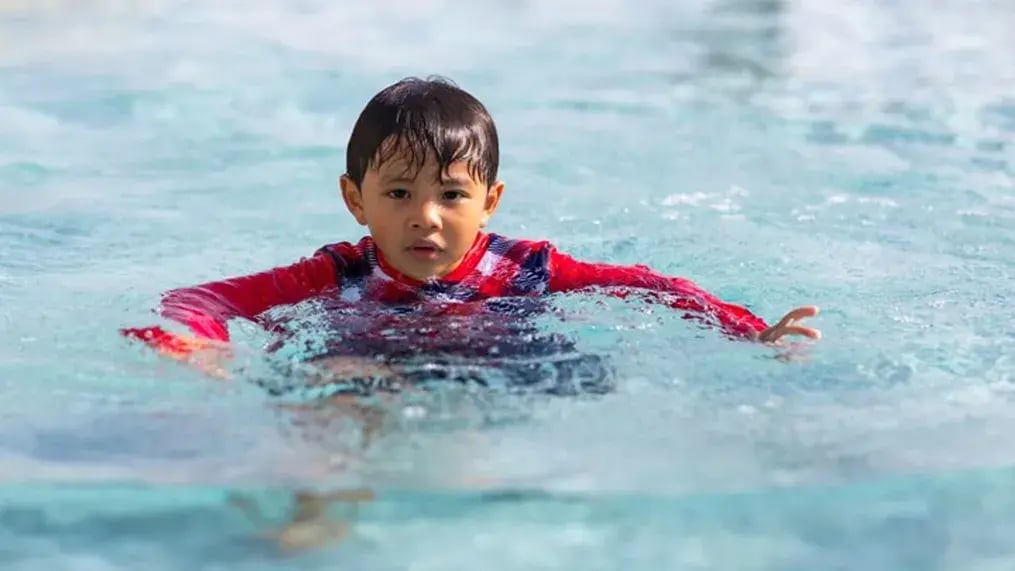
Swimming improvement is gradual, technically demanding, and directly dependent on practice frequency rather than natural talent alone. The how to improve swimming endurance journey is inherently a lesson in perseverance because progress comes in small measurable increments.
Builds Confidence Through Skill Progression
Each swimming skill mastered, from floating independently to completing a full lap to learning a new stroke. It represents a discrete achievement that a child can identify, name, and celebrate before progressing to the next challenge. According to the Indian Academy of Pediatrics, sport-based confidence development in children correlates positively with academic resilience. It shows willingness to attempt challenging tasks across multiple life domains.
Encourages Patience and Discipline
Swimming lanes require queuing, turn-taking, and much more visible progress in ways that build patience. Alongside discipline, kids also get competitive environments to develop social and physical means.
How Parents Can Support Kids Learning Swimming
1. Focus on Progress, Not Performance
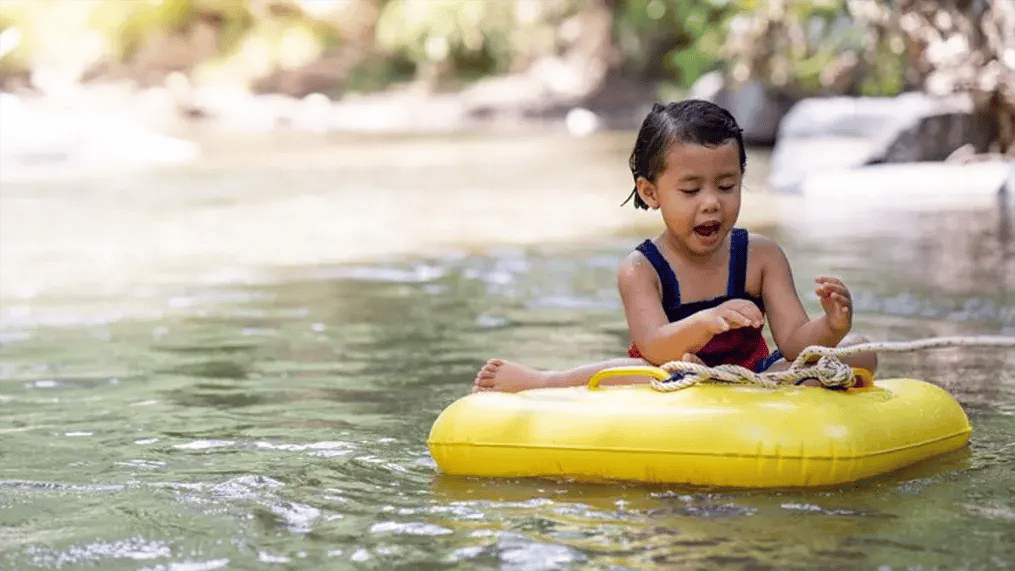
Parents who measure their child's swimming success through comparison to other children's times, strokes, and performance levels inadvertently create the performance anxiety. This prevents children from developing genuine skills and not knowing how to improve swimming endurance through consistent, willing practice.
2. Make Practice Consistent
Three short weekly sessions deliver greater endurance improvement than a single long weekly session. Physiological adaptation to swimming demands occurs through frequent, repeated stimulus. Parents building a swimming practice schedule should prioritize consistency of attendance over session duration.
3. Celebrate Small Milestones
A child who floats unassisted for the first time or reduces their fifty-meter time by three seconds has achieved something genuinely meaningful. It falls within the arc of their swimming development. The parental recognition of these specific incremental achievements builds the intrinsic motivation that keeps children returning to the pool when external incentives are absent.
4. Keep Learning Enjoyable
Children who enjoy swimming attend practice consistently. Children who dread it find reasons to avoid it regardless of how clearly parents communicate the developmental benefits. Parent should maintain enjoyment requires balancing technical skill development with genuinely fun water activities, games, and free swim time. It reminds children why they wanted to learn in the first place.
Frequently Asked Questions
How often should children swim to improve stamina?

Three sessions weekly of thirty to forty-five minutes each provides the stimulus frequency required for improved stamina.
Is swimming a good sport for kids who tire easily?
The progressive resistance of water means endurance improves measurably even at relatively gentle swimming intensities, making it accessible to children starting from very low fitness baselines.
Can kids get vitamin D through food alone?
Dietary sources provide some vitamin D but rarely sufficient quantities to meet growing children's requirements without sun exposure supplementing food-based intake.
Kaushiki Gangully is a content writing specialist with a passion for children's nutrition, education, and well-being. With more than five years of writing experience and a science-based background, she provides nuanced insights to help families raise happy, healthy kids. Kaushiki believes in making learning and healthy eating fun, empowering parents with practical, easy advice.
The views expressed are that of the expert alone.
Popular Topics