




 Parenting Guide


 Child Health & Growth


 Learning & Skills Development


 Food & Nutrition


 Bournvita






Introduction
Building strong healthy eating habits for kids can sometimes feel difficult for parents, especially when children prefer packaged snacks, sugary treats, or fast food. However, healthy eating does not need to feel boring or strict. With a little creativity, patience, and planning, parents can make nutritious meals enjoyable, colorful, and exciting for children every day.
Children develop food preferences from an early age, which makes it important to introduce balanced meals, healthy snacks, and positive mealtime experiences during childhood. Healthy food habits help children stay active, focused, emotionally balanced, and physically strong throughout their growing years. Nutritious meals also support better immunity, learning abilities, digestion, sleep quality, and energy levels.
Simple activities like involving children in cooking, using colorful ingredients, making fun food shapes, or creating family meal routines can improve interest in healthier options. Instead of forcing children to eat, parents should focus on building curiosity and comfort around nutritious foods. Small daily improvements in eating patterns can help children develop healthier relationships with food and create lifelong healthy habits that support overall well-being and development.
Why Healthy Eating Habits for Kids Matter?
Healthy eating supports physical growth, emotional balance, brain development, immunity, and energy levels during important childhood development stages every day. Proper nutrition for kids improves concentration, learning abilities, physical activity, and emotional well-being. Balanced meals also support stronger immunity and healthier digestion.
Good child nutrition in the early years helps children develop healthier relationships with food and reduces the risk of obesity, nutritional deficiencies, and unhealthy eating patterns later in life. Nutritious meals provide vitamins, minerals, protein, carbohydrates, healthy fats, and fiber needed for healthy childhood growth and daily activities.
Long-Term Benefits of Early Habits
- Better eating choices during the teenage and adult years
- Improved physical growth and bone development
- Stronger immunity and energy levels
- Better concentration and learning abilities
- Reduced risk of unhealthy eating patterns
- Improved emotional and physical well-being
Common Challenges in Building Healthy Eating Habits
Children may resist nutritious foods due to taste preferences, distractions, routines, or repeated exposure to processed snacks and sugary items.
Picky Eating Behavior
Some children avoid vegetables, unfamiliar foods, or different textures, making balanced meal planning difficult for many families.
Screen-Time Distractions
Television and mobile devices during meals reduce focus on food and may encourage overeating or unhealthy eating habits, gradually over time.
Preference for Junk Food
Packaged snacks and sugary treats often appear more attractive because of strong flavors, colorful packaging, and frequent advertising exposure everywhere.
Lack of Variety
Serving similar meals repeatedly may reduce children’s interest in nutritious foods and limit balanced nutrient intake during growing years significantly.
Simple Ways to Make Healthy Eating Fun for Kids
Creative presentation, family involvement, patience, and positive experiences help children enjoy healthier meals and develop better eating habits gradually.
Add Colors and Creativity to Meals
Using colorful fruits, vegetables, and creative food designs improves visual appeal and encourages children to try balanced meals more comfortably.
Involve Kids in Cooking
Simple kitchen activities and cooking with kids improve curiosity, confidence, learning, and emotional connection with healthier foods during meal preparation.
Turn Meals into Interactive Experiences
Food shapes, storytelling themes, colorful plating, and creative arrangements make mealtimes more exciting and enjoyable for children every day.
Use Positive Reinforcement Instead of Pressure
Encouragement and appreciation help children develop healthier food habits better than forcing meals or using strict punishment during eating situations.
Introduce Variety Gradually
Adding small portions of unfamiliar foods alongside favorite meals reduces resistance and helps children become comfortable with different flavors slowly.
Easy and Fun Healthy Recipes for Kids
Simple recipes with colorful ingredients, balanced nutrition, and enjoyable presentation help children feel more excited about eating healthier meals.
Bell Pepper Nachos – A Healthy Snack Twist
For this dish, you need a few large bell peppers, broadly sliced, some shredded chicken, paneer, or soya chunks, black beans, sweet corn, sliced jalapenos, sour cream, and shredded cheese. Preheat the oven to 375 degrees Fahrenheit and prepare a baking tray by lining it with some parchment paper and cooking spray. Place the sliced and de-seeded bell peppers on the tray. In a heated skillet, stir-fry the shredded, boneless chicken with the spices, black beans corn, and jalapenos until well-cooked and thoroughly heated. Pour the mixture over the bell peppers, sprinkle cheese all over, and bake in the oven till the cheese melts, or for about 10 minutes. Serve hot with some sour cream for a refreshing, healthy and tangy snack.
Donut Apples – Kid-Friendly Healthy Dessert

These easy and healthy donuts will make your kids forget the carbs and gorge on the natural dessert. Slice the top and bottom of your apples and then carve out their core carefully by cutting a small hole in the center of each from the bottom. Then slice the apples into ½-inch thick circles to create the base for the ‘donuts’. Then take some nut butter, honey, and yogurt, and dip one side of your apple in each, to create a circular, coated top layer. Liberally sprinkle with granola, chocolate chips, and grated nuts, or top with slices of bananas or strawberries for a wholesome dessert donut.
Egg and Cheese Pinwheels – Protein-Packed Snack
Egg and cheese pinwheels look cool and taste cooler. Make the eggs first, whisk a few eggs together with some milk, flour, salt, pepper, paprika, veggies, and scallions, and bake it in the oven for 12 minutes or so, till everything is set. Take some whole-wheat tortillas and layer the egg omelet on it, put shredded cheese, and then roll the tortillas. Put toothpicks in it at regular intervals and cut them up to form pinwheels. Bake them in the microwave for 2-3 minutes, till the cheese melts and the tortilla is grilled. Serve hot for a fun addition to your kids’ healthy eating habits.
Overnight Oats – Quick Breakfast for Busy Mornings
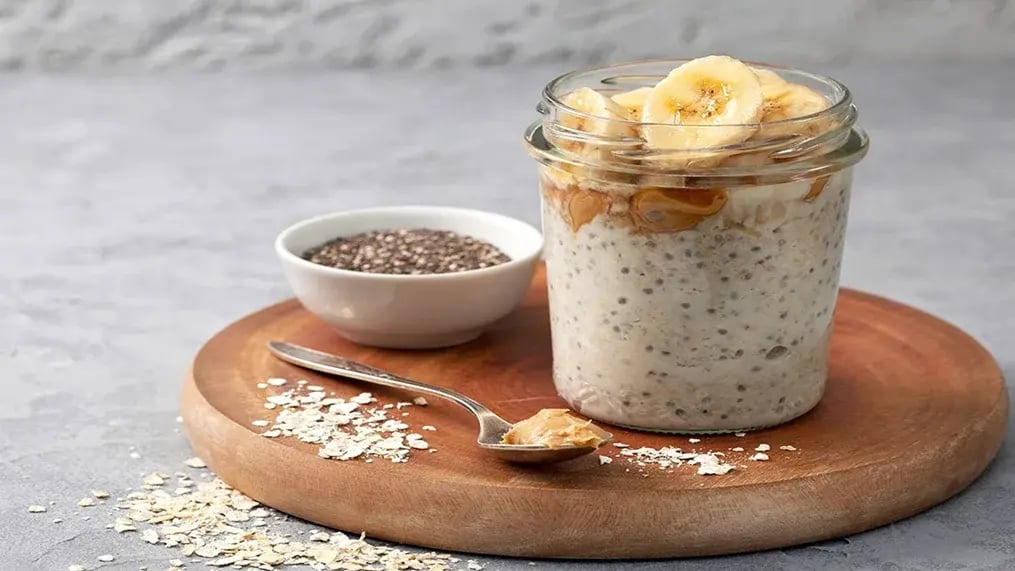
Overnight oats are a delicious and wonderful way of incorporating whole grains and healthy fats into your kids’ diet, along with some dairy and protein. The easiest of the lot, simply mix rolled oats, milk, yogurt, nut butter, and honey well, and layer alternately, with a nutritious garnishing layer of dry fruits, nuts, fresh fruits, and seeds in a jar or tiffin box. Store it in the refrigerator for at least four hours or overnight for the ideal texture, which is cold, creamy, and luscious. This wholesome meal is not only ridiculously convenient to make but is a great breakfast to eat on the go for kids who maintain healthy eating habits.
Stuffed Mushrooms – Nutritious and Flavorful Bites

Stuffed mushrooms are an ideal way of incorporating vitamin D and some earthy delight into your kids’ healthy eating habits. Preheat the oven to 400 degrees Fahrenheit, and line your baking tray with some parchment paper. In a bowl, combine some quinoa, grated cheese, chopped parsley, tomatoes, walnuts, garlic, salt, pepper and paprika. Lay your de-stemmed large mushrooms onto the tray, drizzle with some olive oil or cooking spray, and sprinkle some salt and pepper. Spoon the filling into each mushroom gently before adding a last drizzle of olive oil or cooking spray and baking in the oven for 18 to 22 minutes or till the mushrooms are soft and the filling is golden brown in appearance. Garnish with parsley and serve with a wedge of lemon for a delicious and nutritious meal.
Healthy Lunchbox and Tiffin Ideas for Kids
Balanced lunchboxes support energy, concentration, fullness, and healthy eating routines during school hours and active childhood schedules every day.
Balanced Lunchbox Combinations
Combining fruits, vegetables, protein, grains, and hydration helps children receive balanced nutrition during school or outdoor activities throughout childhood.
Mix of Carbs, Protein, and Fiber
Balanced meals with carbohydrates, protein, and fiber improve fullness, concentration, digestion, and energy levels during learning and physical activities daily.
Quick Indian Tiffin Ideas
Parathas, idlis, paneer wraps, poha, vegetable sandwiches, and fruit boxes make nutritious Indian tiffin meals for children during busy mornings.
Healthy Snack Ideas for Kids at Home and School
Nutritious snacks between meals help children stay energetic, focused, emotionally balanced, and satisfied throughout active school and play schedules daily.
Fruits + Dips
Fresh fruits with yogurt or nut-based dips provide vitamins, hydration, fiber, and enjoyable snack combinations for children during school breaks.
Nuts and Seeds Mixes
Mixed nuts and seeds support healthy fats, protein, energy, and balanced nutrition while making convenient snack options for growing children.
Homemade Energy Bites
Oats, dates, seeds, and nuts create quick homemade bites supporting fullness, balanced energy, and healthier snacking habits throughout childhood years.
Creating a Balanced Diet for Kids
A balanced diet helps children receive nutrients needed for growth, learning, physical activity, emotional well-being, and healthy childhood development daily.
Key Food Groups
Meals should include grains, vegetables, fruits, dairy, protein, and healthy fats to support complete nutrition and balanced childhood growth successfully.
Portion Balance
Balanced serving sizes help children eat enough nutrition without overeating while supporting healthy digestion and stable energy levels throughout daily activities.
Daily Meal Structure
Regular meals and snacks throughout the day help children maintain energy, focus, emotional balance, and healthier eating habits consistently every day.
Kids Healthy Eating Plate: What Should It Include?
A balanced kids healthy eating plate supports better nutrition, fullness, energy, digestion, and healthier food habits during growing childhood years daily.
Half Plate Fruits and Vegetables
Colorful fruits and vegetables provide vitamins, minerals, hydration, fiber, and important nutrients supporting healthy childhood development and immunity.
Protein Sources
Eggs, beans, paneer, yogurt, lentils, chicken, and nuts help support muscle growth, fullness, and healthy childhood development throughout growing years.
Whole Grains
Whole wheat bread, oats, brown rice, and millets provide carbohydrates and fiber supporting digestion, fullness, and steady energy during active days.
Tips for Parents to Build Healthy Food Habits
Small consistent efforts, healthy routines, and supportive family environments help children develop healthier relationships with nutritious foods over time successfully.
Consistency Over Perfection
Parents should focus on steady improvements instead of perfect eating routines because habits develop gradually during childhood and family experiences.
Lead by Example
Children often copy adult behavior, making healthy family eating routines important for building stronger long-term food habits during growing years.
Reduce Junk Food Availability
Keeping fewer packaged snacks at home encourages children to choose healthier options and improve everyday eating habits gradually over time.
Build Routine Meal Times
Regular meal schedules support digestion, reduce unnecessary snacking, and help children understand healthy eating structure throughout daily routines effectively.
How to Handle Picky Eaters
Patience, repeated exposure, positive interaction, and balanced meal presentation help children become more comfortable with unfamiliar foods gradually over time.
Gradual Exposure
Offering small portions of unfamiliar foods repeatedly helps children feel comfortable trying different flavors and textures during family meals.
Avoid Force-Feeding
Pressure during meals may create negative food experiences and reduce children’s willingness to explore healthier eating options over time significantly.
Make Food Familiar
Combining unfamiliar ingredients with favorite meals helps children accept balanced foods while reducing fear or resistance during eating experiences comfortably.
Conclusion
Healthy eating habits develop through patience, creativity, consistency, and positive family routines. Small daily improvements help children build better relationships with food while supporting growth, learning, energy, and emotional well-being. Encouraging balanced meals, enjoyable experiences, and supportive communication helps children develop healthier habits that can benefit them throughout life.
Frequently Asked Questions
How do I encourage healthy eating in kids?

Parents can encourage healthy eating by offering colorful meals, involving children in cooking, maintaining routines, and avoiding pressure during mealtimes.
What are healthy snacks for kids?
Healthy snacks include fruits, yogurt, nuts, seeds, homemade sandwiches, smoothies, energy bites, boiled eggs, and vegetable-based snack combinations for children.
How can I improve my child’s eating habits?
Balanced routines, positive encouragement, healthy family meals, reduced junk food availability, and creative presentation can improve children’s eating habits gradually.
What is a balanced diet for kids?
A balanced diet includes fruits, vegetables, grains, dairy, protein, healthy fats, and proper hydration to support healthy growth and energy levels.
How to make healthy food interesting for picky eaters?
Using colorful ingredients, creative food shapes, fun plating, storytelling, and involving children in cooking can improve interest in healthier meals effectively.
Kaushiki Gangully is a content writing specialist with a passion for children's nutrition, education, and well-being. With more than five years of writing experience and a science-based background, she provides nuanced insights to help families raise happy, healthy kids. Kaushiki believes in making learning and healthy eating fun, empowering parents with practical, easy advice.
The views expressed are that of the expert alone.
Popular Topics