




 Parenting Guide


 Child Health & Growth


 Learning & Skills Development


 Food & Nutrition


 Bournvita






Introduction
Many people assume that worry and stress are concerns only for adults, but anxiety in children is becoming increasingly common. School demands, social situations, family changes, academic expectations, and environmental pressures can affect a child's emotional well-being from a young age. While occasional nervousness is a normal part of growing up, persistent fears and worries may indicate deeper concerns that need attention.
Recognizing child anxiety symptoms early can help parents provide the right support before emotional struggles begin affecting learning, relationships, confidence, and daily activities. Childhood fears may appear through physical discomfort, mood changes, school avoidance, or unusual behavior. Understanding the signs of childhood anxiety allows families to respond with patience, reassurance, and appropriate guidance. The earlier parents identify these concerns, the easier it becomes to provide effective support and promote healthier emotional development.
What is Anxiety in Children?

Anxiety in children is a feeling of excessive worry, fear, or nervousness that goes beyond normal concerns. Most children feel stressed before exams, performances, or new experiences. However, when those worries become frequent, intense, or difficult to manage, they may affect daily life.
Normal stress is usually temporary and fades after the situation passes. Child anxiety often lasts longer and may interfere with school, friendships, sleep, or family activities. Early recognition is important because identifying concerns quickly can improve outcomes, provide anxiety help, and prevent emotional difficulties from becoming more challenging over time.
Is There A Specific Age For Anxiety In Children?
Sadly, there is no specific age for anxiety in children. Children can face different types of anxiousness throughout their childhood. The reasons for anxiousness that instigated the children's panic or fear can be countless. It can be a silly fear of the dark that instigates anxiousness in children even when they are older. Or it can also be a bad environment while growing up, which makes the children anxious even when they are old. Know more about how and why children can feel anxious and the signs to recognize it.
Reason A Child Feels Anxious
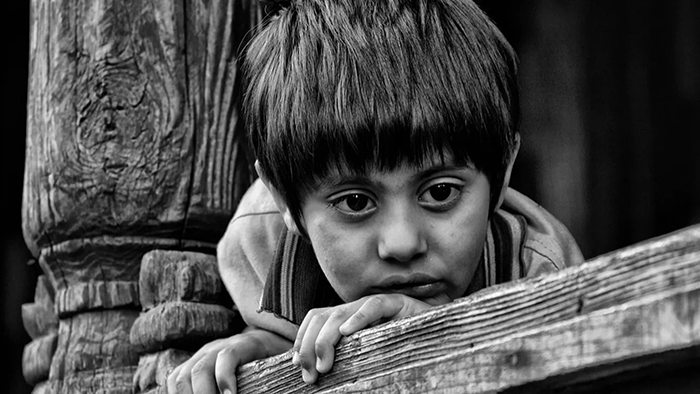
Here are some common reasons that make the child feel anxious, triggering a state of fear, panic, and nervousness.
Below 5 Years Of Age
Children under 5 are not mentally well-developed, which makes it difficult for them to express their emotions.
- A loud environment and long hours of staying hungry can make the child anxious.
- A sudden element of surprise can also put the child into an anxious State, scaring them.
- Any type of discomfort can also put the child into an anxious state if it is not attended to fast enough.
6-10 Years Of Age
- Ignorance from parents or childhood accidents can instigate a state of anxiety in children.
- Poor education and environment can also cause the child to stay anxious for various reasons.
11-14 Years Of Age
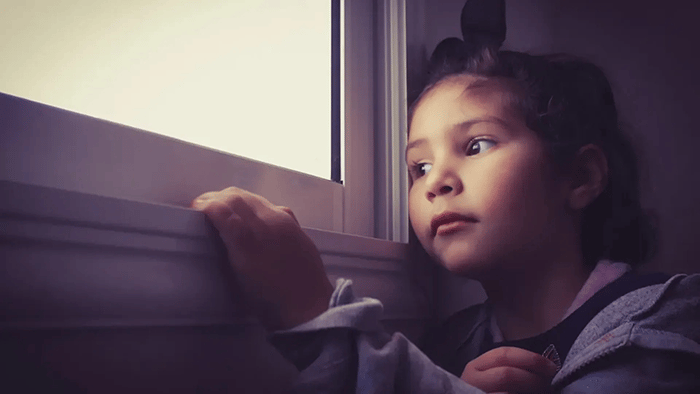
- Bullying is one of the major reasons for children to be anxious during these years.
15+ Years Of Age
- There are lots of reasons that teenagers face when they are growing up.
- Ignorance from society
- Fear of failure
- Nervousness to perform
- Societal pressure and social responsibilities
- And many more.
Common Causes of Anxiety in Children
Various factors can contribute to emotional distress and increase the likelihood of developing anxiety-related concerns.
Environmental and Family Factors
Family conflict, major life changes, high expectations, parenting approaches, and household stress can influence emotional well-being and increase worries.
School Pressure and Social Challenges
Academic demands, bullying, friendship difficulties, social comparison, and fear of failure may create emotional strain for many children.
Developmental and Emotional Triggers
Personality traits, emotional sensitivity, developmental changes, and difficulty managing feelings can contribute to anxious thoughts and behaviors.
Signs and Symptoms of Anxiety in Children
Recognizing warning signs helps parents provide early support and explore appropriate anxiety solutions before concerns become more severe.
Physical Symptoms of Anxiety
A headache in child situations may occur more frequently during stressful periods. Stomach ache in kids, sweating, trembling, nausea, and unexplained discomfort can also appear when worries become overwhelming.
Emotional Symptoms
Children may experience fear, nervousness, excessive worry, sadness, emotional outbursts, or frequent concerns about future events.
Behavioral Symptoms
Avoidant behavior may include refusing school, avoiding activities, or withdrawing from social situations. A withdrawn child may prefer isolation and reduced participation.
Changes in Eating and Sleep Patterns
Some children lose interest in food, while others overeat for comfort. Sleep difficulties, nightmares, and bedtime worries may also develop.
Age-Wise Signs of Anxiety in Children
Symptoms can appear differently depending on a child's age and stage of development.
Anxiety in Toddlers and Young Children (Below 5 Years)
Young children may display clinginess, excessive crying, separation fears, sleep difficulties, irritability, and frequent tantrums in child development stages.
Children may complain about physical discomfort, avoid school activities, seek constant reassurance, or struggle with academic pressure and friendships.
Anxiety in Pre-Teens and Teenagers (11+ Years)
Older children may experience social worries, self-esteem concerns, emotional withdrawal, school stress, and increased sensitivity to peer opinions.
How Anxiety Affects Children’s Behavior and Development
Emotional difficulties can influence many aspects of growth and everyday functioning.
Academic Performance
Persistent worries can affect concentration, learning, memory, and confidence during classroom activities and assessments.
Social Skills
Fear and uncertainty may reduce participation in friendships, group activities, and communication opportunities.
Emotional Growth
Unmanaged concerns may make it harder for children to develop resilience, confidence, and healthy coping abilities.
How to Help a Child with Anxiety at Home
Simple home-based strategies can provide valuable anxiety help for kids and improve anxiety coping skills over time.
Encourage Open Communication
Create opportunities for children to talk openly about fears, worries, and concerns without judgment or criticism.
Validate Their Emotions
Acknowledge feelings respectfully instead of dismissing concerns. Feeling understood can reduce emotional distress significantly.
Build a Safe and Supportive Environment
Predictable routines, reassurance, and emotional support help children feel secure during challenging situations.
Teach Simple Coping Techniques
Deep breathing, mindfulness activities, calming exercises, and relaxation methods can provide anxiety relief and support stress relief kids strategies.
Anxiety Management Strategies for Kids
Practical techniques can improve emotional regulation and support long-term anxiety management and anxiety control.
Create Predictable Daily Routines
Structured schedules reduce uncertainty and help children feel more confident throughout the day.
Limit Exposure to Stress Triggers
Reducing excessive screen use, overwhelming workloads, and unnecessary pressures can support emotional well-being.
Encourage Physical Activity and Play
Movement, outdoor games, sports, and creative activities help improve mood and provide healthy emotional outlets.
When to Seek Professional Anxiety Treatment?
Professional support may be beneficial when symptoms persist for extended periods, worsen over time, or interfere with school, friendships, sleep, or family life. Significant behavioral changes, severe emotional distress, frequent physical complaints, or intense fears may indicate a need for anxiety treatment. A healthcare professional can recommend suitable anxiety treatment for children, provide accurate assessment, and suggest appropriate interventions. Parents seeking child anxiety treatment at home should also consult qualified professionals for guidance and support.
Effective Anxiety Treatment Options for Children
Several approaches can help children manage worries and improve emotional well-being.
Therapy and Counseling
Cognitive Behavioral Therapy (CBT) helps children understand thoughts, develop coping strategies, and build healthier emotional responses.
Lifestyle and Behavioral Interventions
Healthy sleep habits, balanced nutrition, emotional support, and structured routines can complement other treatment approaches.
Medical Support (If Required)
Healthcare professionals may recommend additional interventions when symptoms are severe or significantly impact daily functioning.
What Parents Should Avoid Doing?
Certain responses may unintentionally increase emotional distress rather than provide support.
Ignoring Symptoms
Overlooking concerns may delay important support and allow worries to become more difficult to manage.
Overreacting
Strong reactions can increase fear and make children feel more worried about their emotions.
Forcing Children to “Be Strong”
Pressuring children to suppress feelings may discourage open communication and healthy emotional expression.
Conclusion
Recognizing signs of anxiety in children early can make a significant difference in their emotional well-being and future development. Parents who respond with understanding, patience, and support can help children build confidence and resilience. Early intervention, appropriate anxiety solutions, and healthy coping skills create a strong foundation for long-term emotional health and overall well-being.
Frequently Asked Questions
What are the early signs of anxiety in children?

Early child anxiety symptoms may include excessive worry, clinginess, sleep difficulties, physical complaints, avoidance of activities, and frequent emotional distress.
How can I help my child cope with anxiety?
Provide emotional support, encourage communication, teach calming strategies, maintain routines, and seek professional guidance when needed.
What causes anxiety in kids?
Family stress, academic pressure, social challenges, developmental changes, traumatic experiences, and emotional sensitivity may contribute to concerns.
When should I seek help for child anxiety?
Professional support may be appropriate when symptoms persist, interfere with daily activities, or significantly affect well-being.
Can anxiety be treated in children?
Yes. With appropriate support, counseling, coping techniques, and effective anxiety treatment, many children learn to manage worries successfully.
Smriti is a content writer who creates clear, practical, and informative content backed by science and relevant data. With a strong understanding of structured writing, she breaks down complex topics into simple, actionable insights. Her work is focused on helping readers prepare, learn, and grow with confidence and clarity.
The views expressed are that of the expert alone.
Popular Topics