




 Parenting Guide


 Child Health & Growth


 Learning & Skills Development


 Food & Nutrition


 Bournvita




Introduction
The human body needs adequate nourishment to thrive and not just survive. A balanced diet comprises sufficient nutrients, which are classified based on their requirements and intakes. It requires optimal calorie intake based on age, gender, weight, and activity level, along with proper portion control and sufficient consumption of nutrients. But the hectic demands of modern life often put a dampener on such virtuous plans, derailing the sincere efforts of busy parents. Here is a quick guide to understanding the role of vitamins, minerals, and trace minerals in your kid’s diet.
What Are Trace Elements/Minerals?
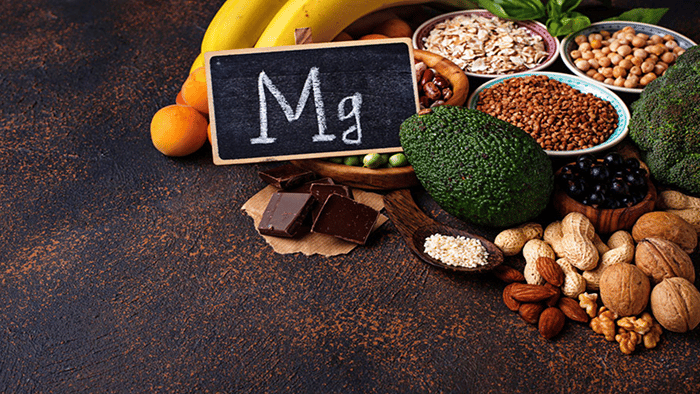
Trace elements are also called trace minerals. Trace elements are elements that are needed in very small amounts. Usually in milligrams or even micrograms. But they are essential for many body functions even in such small amounts. This distinguishes them from macrominerals such as calcium or magnesium, which the body requires in much greater quantities.
According to WHO, suggests that essential trace elements are required by the body for normal function. These contaminants are sometimes lumped together with the term “trace elements,” but they perform no useful biological function and are harmful even in small amounts. This guide is about the essential trace minerals that children need in their diet and not about environmental contaminants.
Essential Trace Minerals and Their Functions
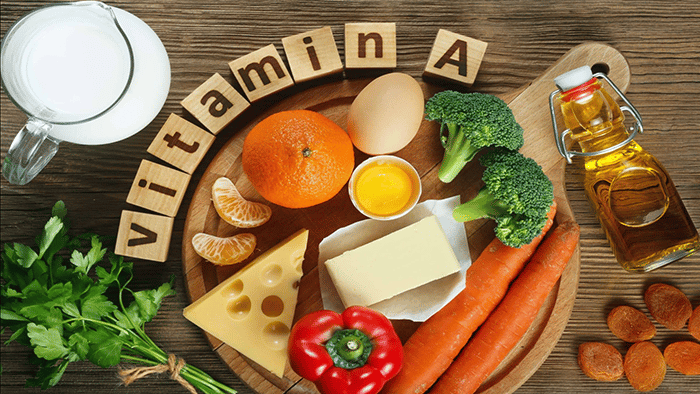
- Iron: Iron is better absorbed if it is Plant-based, such as red meat, poultry, fish, legumes, and fortified cereals, with vitamin C-rich foods.
- Zinc: A varied diet is a good way to meet zinc needs. It can be found in meat, shellfish, legumes, nuts, and dairy products.
- Iodine: Iodine is mainly found in iodized salt, seafood, and dairy foods. Iodized salt is an important source of iodine in the diet in many parts of the world.
- Selenium: Brazil nuts, seafood, eggs, and whole grains, but the level in plant foods depends on the selenium level of the soil where they’re grown.
- Copper: Found in nuts, seeds, whole grains, and organ meats. Typically not a nutrient of concern for children eating a varied diet.
According to NIH, a varied, balanced diet, including a mix of these food groups, usually provides most children with sufficient trace elements, so supplementation is not usually needed.
Food Sources of Trace Elements
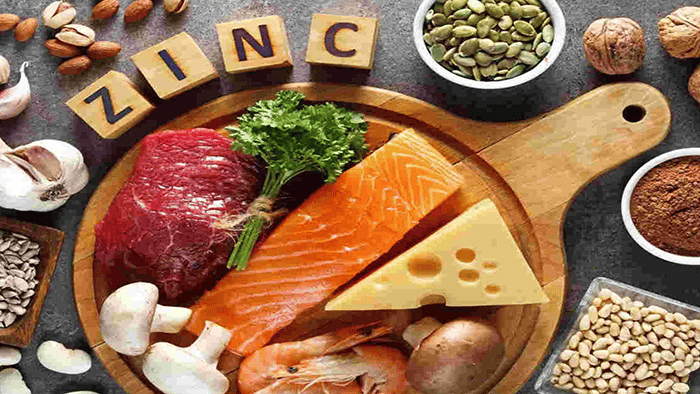
According to a Harvard recent study, these food sources are essential:
- Iron: Found in green leafy vegetables, beans, lentils, meat, eggs, and fortified cereals.
- Zinc: Present in nuts, seeds, whole grains, dairy products, eggs, and meat.
- Copper: Good sources include nuts, seeds, whole grains, legumes, and shellfish.
- Iodine: Mainly obtained from iodized salt, seafood, dairy products, and eggs.
- Selenium: Found in fish, eggs, meat, dairy products, whole grains, and nuts.
Deficiency, Excess, and Supplement Safety
Symptoms of trace elements
According to NIH, symptoms of trace element deficiency depend on the mineral that is deficient. For example, iron deficiency can cause symptoms such as fatigue and impaired development, while zinc deficiency can cause growth and immune issues. These symptoms can also be seen in many other conditions and should not be used to self-diagnose trace element deficiency.
Testing and diagnosis of a specific trace element deficiency should be done by a clinician who can interpret the bloodwork in the light of the child’s overall health, not by a parent who assumes that a deficiency exists based on general symptoms such as tiredness. Importantly, trace elements can also be toxic in excess, as the body requires them in very specific, small amounts.
When to include supplements
Supplementing without a confirmed deficiency can lead to toxicity for certain minerals such as iron, zinc, or selenium. Therefore, the trace mineral supplementation should be given under the guidance of a clinician in a child with documented actual deficiency rather than given preventively on a general concern.
Conclusion
Vitamins, minerals, and trace minerals, like zinc, magnesium, potassium, and various others play a major role in ensuring the health and proper growth of your kids, along with the development of endurance and stamina in them. Follow this guide to ensure your children reap the best benefits from these
Frequently Asked Questions
What are trace elements in nutrition?

Trace elements are minerals the body needs in very small amounts but are vital for functions such as immunity, growth, and transporting oxygen.
Which trace minerals are essential?
Essential trace minerals are iron, zinc, iodine, selenium, copper, and manganese. They all play a role in body functions.
What foods contain trace elements?
Foods like meat, seafood, legumes, nuts, whole grains, and iodized salt can contain many essential trace elements.
Can children take trace-mineral supplements?
Trace mineral supplements should only be taken under the guidance of a clinician, as taking too much of some minerals can be dangerous.
Smriti is a content writer who creates clear, practical, and informative content backed by science and relevant data. With a strong understanding of structured writing, she breaks down complex topics into simple, actionable insights. Her work is focused on helping readers prepare, learn, and grow with confidence and clarity.
The views expressed are that of the expert alone.